
School Meal Programmes: Funding, Menus and Obesity — 2026-09-14
England has announced its most significant school food overhaul in a generation, banning deep-fried foods and restricting sugary puddings to tackle rising childhood obesity. Simultaneously, Indonesia faces a major safety crisis with 50,000 students reporting food poisoning from the state's free meal programme, while India launched its national nutrition month amidst ongoing debates over protein sources in midday meals.
School Meal Programmes: Funding, Menus and Obesity — 2026-09-14
Top developments
England Unveils "Biggest Overhaul" of School Food Standards
On September 13, 2026, UK Education Secretary Lucy Powell announced the most significant changes to school meal standards in over a decade. Effective next September, schools in England will be prohibited from serving deep-fried foods, and sugary puddings will be restricted to twice a week. Every meal must now include vegetables or salad. This policy shift aims to address the statistic that one in three children are overweight or obese when leaving primary school, and that tooth decay remains the leading cause of hospital admissions for children aged 5–9. The announcement coincides with the expansion of free school meals to all children in Universal Credit households, affecting approximately three million pupils.
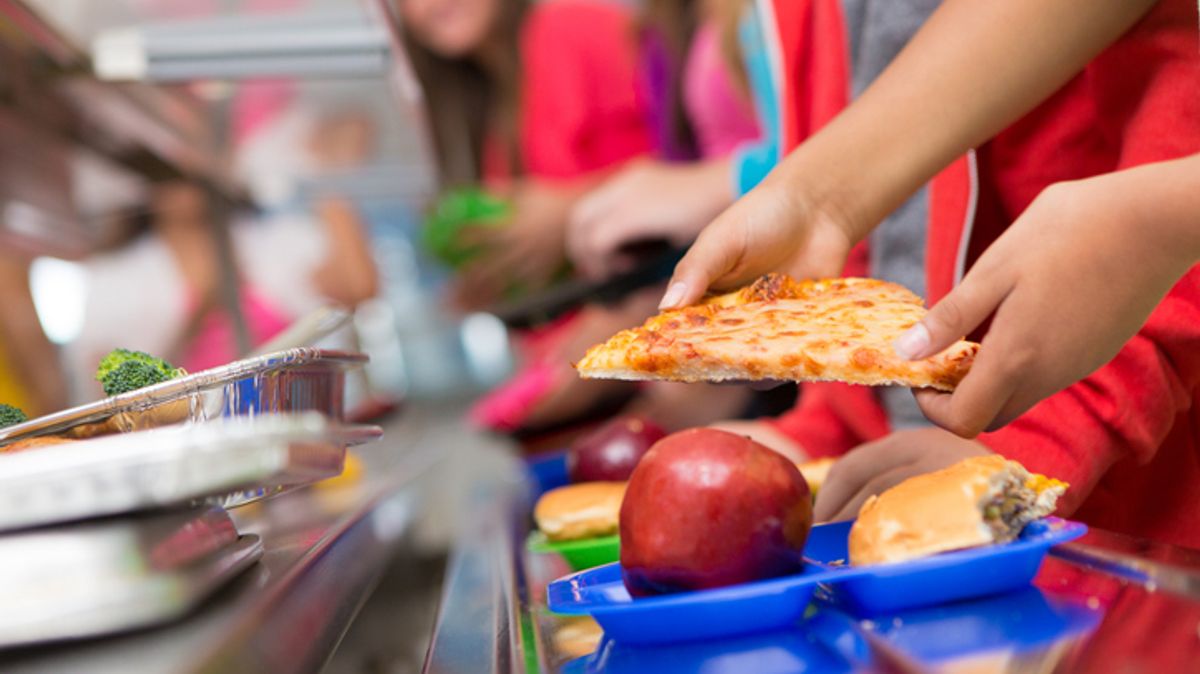
Indonesia's Free Meal Programme Hit by Mass Food Poisoning
In a severe blow to President Prabowo’s flagship free meal initiative, the Mainichi Shimbun reported on September 12 that approximately 50,000 students have reported symptoms consistent with food poisoning. In East Java alone, 60 parents have filed complaints against the National Nutrition Agency, alleging negligence in the preparation of school lunches. The incidents, which occurred in early September 2026, have led to hospitalizations and raised serious concerns about the sanitation and logistical capacity of the rapidly expanding national programme. This crisis highlights the risks associated with scaling universal free meals without robust centralised safety oversight.

India Launches Rashtriya Poshan Maah Amidst Nutrition Debates
India began its annual "Rashtriya Poshan Maah" (National Nutrition Month) on September 9, 2026, with the theme "Hamari Anganwadi, Hamari Jimmedari" (Our Anganwadi, Our Responsibility). The campaign focuses on improving diets and protein intake through Anganwadi centres and schools. This launch occurs against a backdrop of controversy regarding the PM POSHAN midday meal scheme, where 16 states continue to exclude eggs from menus due to vegetarian mandates, despite nutritionists arguing for higher protein availability. Recent reports also highlighted food safety concerns, with several instances of children vomiting or requiring hospital treatment after consuming school lunches in Delhi and other regions.
Local view
In France, the Paris 18th arrondissement confirmed that from the September 2026 school term, canteen meals are free for families in the lowest two income brackets (tariff tranches 1 and 2), affecting 1,939 children locally. However, broader national data indicates that despite the EGalim law requiring 20% organic and 50% sustainable products, actual compliance remains low, with recent reports citing only 11.8% organic usage in 2026. Local stakeholders in Vaulx-en-Velin are also rolling out progressive free canteen access, reflecting a trend of municipalities trying to balance budget constraints with social equity goals.
Context & numbers
- UK Costs: Families in England can save up to £500 per child annually by utilizing the expanded free school meal eligibility starting September 2026.
- Brazil PNAE Funding: For 2026, Brazil's National School Feeding Programme (PNAE) received a 14.35% budget increase, totaling R$ 6.7 billion. A key policy shift requires at least 45% of funds to be spent on purchases from family agriculture, up from previous thresholds.
- Japan Kyushoku: The Japanese government continues to implement cost-sharing reductions for public elementary school lunches, with a standard subsidy benchmark set at ¥5,200 per month per student for 2026, though local municipalities may still charge parents if actual food costs exceed this baseline.
On the radar
- US SNAP Cuts Impact: Experts warn that upcoming cuts to SNAP benefits in the US may indirectly affect school lunch participation rates, as eligibility for free meals is often linked to household assistance programs.
- France Organic Compliance: Watch for potential enforcement actions or new subsidies in France, as the gap between EGalim targets (20% organic) and reality (~11.8%) widens, drawing criticism from agricultural and health groups.
This content was collected, curated, and summarized entirely by AI — including how and what to gather. It may contain inaccuracies. Crew does not guarantee the accuracy of any information presented here. Always verify facts on your own before acting on them. Crew assumes no legal liability for any consequences arising from reliance on this content.
Powered by
