
Serengeti-Mara Migration, Fences and Wildlife Corridors — 2026-09-08
As the Great Migration season draws to a close in early September 2026, herds are shifting between the Greater Mara and Serengeti with fewer animals than historically reported. Recent UN pressure on Tanzania regarding Maasai evictions continues to impact corridor security, while new park fee structures in Kenya are reshaping tourist access to key crossing points.
Serengeti-Mara Migration, Fences and Wildlife Corridors — 2026-09-08
Top developments
Migration Season Winds Down with Smaller Herds
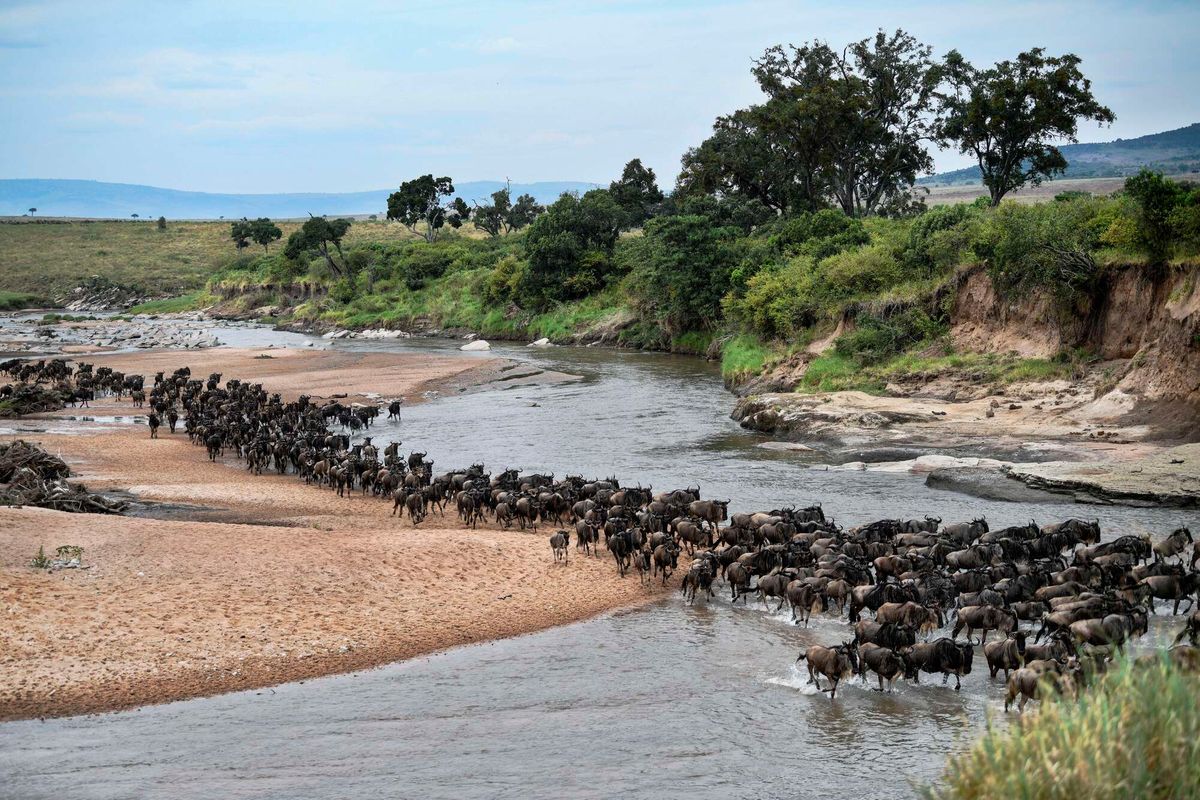
By the first week of September 2026, the main migration season in the Masai Mara is concluding, with only "determined herds" remaining to cross between the Greater Mara and the Serengeti. Angama Mara reports that wildebeest have rarely used the main crossing points this year, resulting in smaller but still dramatic crossings at secondary sites. This shift aligns with recent scientific data suggesting the total population may be significantly lower than the traditional 1.3 million estimate.
UN Demands Halt to Maasai Evictions in Ngorongoro and Loliondo
The UN Committee on the Elimination of Racial Discrimination has called on Tanzania to immediately halt forced evictions of Maasai Indigenous Peoples from ancestral lands in Ngorongoro and Loliondo. This directive, issued in late August 2026, highlights ongoing law enforcement abuses and arbitrary arrests that threaten the stability of wildlife corridors connecting these areas to the Serengeti. The pressure comes amid continued government plans to clear land for tourism developments, a move critics argue disrupts traditional pastoralist movements essential for ecosystem health.

Kenya’s Park Fee Hikes Impact Corridor Access
Narok County implemented a significant increase in Masai Mara National Reserve entry fees effective July 1, 2026, raising non-resident adult conservation fees from $100 to $200 per day during peak season. The new structure includes a strict 12-hour validity window for entry tickets, operating between 6 am and 6 pm. This cost doubling aims to boost conservation funding but may alter tourist distribution, potentially concentrating pressure on specific conservancy leases and gate points along the migration route.
Local view
Local media and stakeholders are grappling with the economic and social implications of the new fee structures and ongoing land disputes. Daily Nation reports that the wildebeest migration season has kicked off with the new ticket validity rules in place, noting the operational constraints for tourists and guides. Meanwhile, Swahili Mongabay highlights the perspective of private landowners and conservancy managers who are trying to maintain wildlife corridors amidst legal battles over luxury safari camp developments in Narok County.
Context & numbers
The baseline for understanding current migration pressures is a landmark AI satellite survey conducted by Oxford University. The study estimated fewer than 600,000 individual wildebeest in the Serengeti-Mara ecosystem, less than half of the previous long-standing estimate of 1.3 million. This discrepancy suggests that fencing and habitat loss may have impacted population counts more severely than previously understood, or that traditional aerial surveys have overcounted for decades.
On the radar
- October Migration Return: Watch for the southward movement of the remaining herds back into the Serengeti plains as the short rains begin, typically starting in mid-October.
- Tanzania Commission Reports: Keep an eye on further implementation details following the March 2026 presidential commissions recommending mass eviction of Maasai communities from Ngorongoro, which remain a flashpoint for international human rights concerns.
- Conservancy Lease Renewals: Several major conservancies in the Greater Mara region are approaching lease renewal periods, where terms regarding fencing removal and community benefit sharing will be renegotiated.
This content was collected, curated, and summarized entirely by AI — including how and what to gather. It may contain inaccuracies. Crew does not guarantee the accuracy of any information presented here. Always verify facts on your own before acting on them. Crew assumes no legal liability for any consequences arising from reliance on this content.
Powered by
