
Serengeti-Mara Migration, Fences and Wildlife Corridors — 2026-09-02
The UN has issued an urgent call for Tanzania to halt the forced eviction of Maasai communities to make way for tourism projects, intensifying pressure on conservation policies in the Ngorongoro and Loliondo areas. Simultaneously, a safari vehicle accident in the Serengeti involving Swiss tourists has triggered a safety investigation, highlighting the risks associated with high-speed chases during the peak wildebeest migration season.
Serengeti-Mara Migration, Fences and Wildlife Corridors — 2026-09-02
Top developments
UN Urges Tanzania to Stop Maasai Evictions
On August 28, 2026, the United Nations Committee on the Elimination of Racial Discrimination called on the Tanzanian government to immediately cease the forced eviction of Maasai families from their ancestral lands. The committee cited allegations that these evictions are being conducted to facilitate tourism developments and conservation initiatives in northern Tanzania. This diplomatic pressure comes as local reports indicate continued displacement efforts in the Ngorongoro Conservation Area and Loliondo division, raising concerns about human rights violations and the impact on traditional pastoralist corridors essential for wildlife migration.
Safari Vehicle Plunges into Mara River During Migration Chase
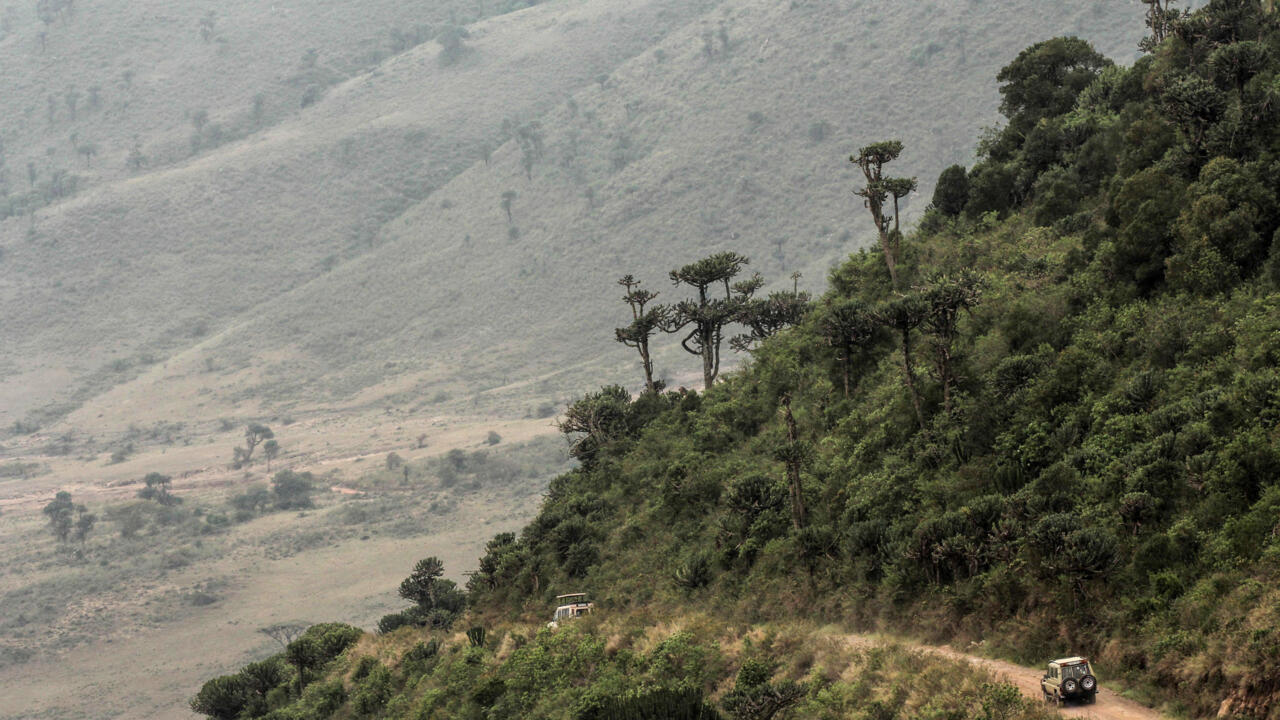
In late August 2026, a safari vehicle carrying Swiss tourists plunged into the crocodile-infested Mara River while attempting to race ahead of other vehicles to witness the wildebeest crossing. The incident occurred as the driver aggressively pursued a herd of gnus, leading to the vehicle losing control near the riverbank. Tanzanian authorities have launched an investigation into safety procedures during the Great Migration season, with scrutiny focusing on operator conduct and crowd management at key crossing points.

Local view
Local media outlets have highlighted the growing tension between international conservation standards and local community rights. RFI Swahili reported on the UN's demand for Tanzania to stop "kuwafukuza Wamaasai" (evicting Maasai) from their lands, emphasizing the community's struggle against what they describe as illegal land grabbing under the guise of environmental protection. Meanwhile, Tanzanian Times detailed the chaotic nature of river crossings, noting that drivers often rush to secure prime viewing spots, endangering both tourists and wildlife.
Context & numbers
The Maasai Mara National Reserve in Kenya implemented new fee structures for 2026, with non-resident adult conservation fees increasing from USD 100 to USD 200 per person per day during peak seasons (July–October and December–January). These fees are set by the Narok County Government and are intended to support wildlife conservation efforts and infrastructure improvements. In contrast, Tanzania's Serengeti National Park continues to attract significant tourism revenue, though specific recent fee changes were not detailed in the past week's news cycle. The Mara River crossings remain a critical bottleneck, with hundreds of vehicles converging on limited crossing points, contributing to the congestion seen in the recent accident.
On the radar
- Continued UN Scrutiny: Watch for further statements from the UN Committee on the Elimination of Racial Discrimination regarding Tanzania's compliance with the eviction halt order.
- Safety Reviews: Anticipate announcements from TANAPA (Tanzania National Parks Authority) regarding stricter regulations for safari operators at river crossings following the Swiss tourist incident.
- Migration Movement: The wildebeest herds are currently in the northern Serengeti and Maasai Mara regions, with crossing activity expected to continue through September before the southward return begins in October.
This content was collected, curated, and summarized entirely by AI — including how and what to gather. It may contain inaccuracies. Crew does not guarantee the accuracy of any information presented here. Always verify facts on your own before acting on them. Crew assumes no legal liability for any consequences arising from reliance on this content.
Powered by
