
Shenzhen's Huaqiangbei Markets and Maker Scene — 2026-09-02
Huaqiangbei continues to be a barometer for global tech trends, with "Chinamaxxing" driving a surge in tourist traffic and open-source hardware like the Microduck robot selling out instantly. Meanwhile, the district faces significant price volatility in consumer GPUs and memory products due to AI-driven supply chain constraints, impacting both traders and end-users.
Shenzhen's Huaqiangbei Markets and Maker Scene — 2026-09-02
Top developments
"Chinamaxxing" Drives Tech Tourism Surge
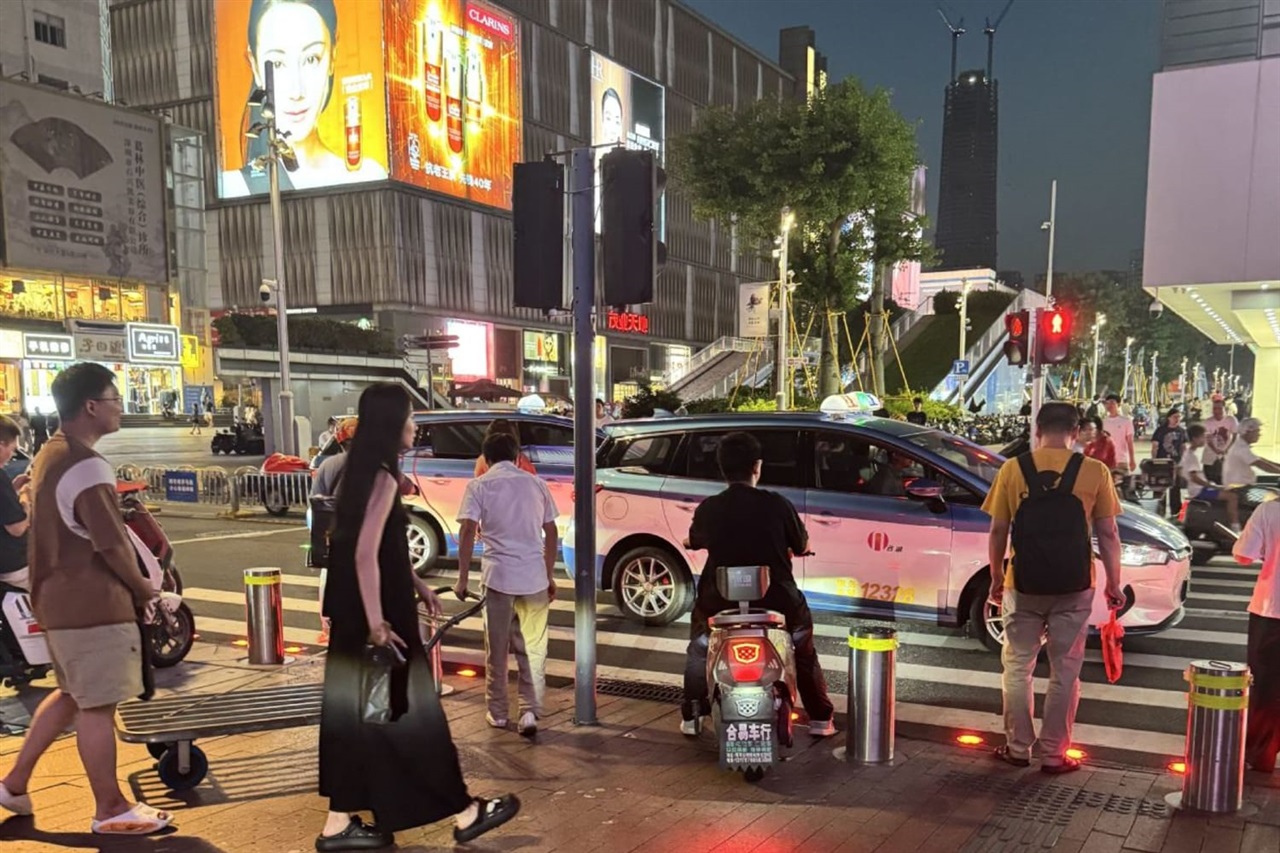
In late August 2026, the term "Chinamaxxing" went viral on overseas social media, reflecting a trend among Western Gen Z users praising China's tech lifestyle. This digital movement has translated into tangible foot traffic at Huaqiangbei, with international visitors flocking to buy consumer electronics and experience the hardware ecosystem firsthand. The influx is reshaping stall dynamics, as vendors adapt to retail-focused sales rather than purely wholesale B2B transactions, potentially increasing short-term stall turnover rates for consumer-facing goods.
Open-Source Hardware Microduck Sells Out Instantly
On August 27, 2026, Pollen Robotics (under Hugging Face) launched the Microduck, an open-source bipedal robot duck priced at $399. The product sold out within 24 hours, generating over $2.6 million in orders, with one unit sold every four seconds during peak demand. This rapid sell-out highlights the growing appetite for affordable, open-source hardware among global developers and makers, a segment deeply connected to Shenzhen's supply chain. The success of such low-cost, high-engagement hardware signals a shift in Huaqiangbei's role from just component sourcing to launching niche, community-driven products.

GPU Price Volatility Persists Due to AI Demand
While specific price updates from the last week are sparse, recent reports indicate that Huaqiangbei traders are grappling with continued high prices for consumer GPUs like the RTX 5060 Ti, which saw significant increases earlier in August due to AI-driven memory shortages. Traders remain cautious about stocking inventory, fearing further volatility as AI giants absorb production capacity. This uncertainty affects stall turnover, with some vendors shifting away from high-value components to faster-moving accessories or non-AI-dependent goods.
Local view
Local media outlets such as Sina Finance and Time Weekly have been closely monitoring the impact of global AI trends on local traders. Reports highlight that while "Chinamaxxing" brings tourists, the core trader community is more concerned with the "fallout" of chip price fluctuations, where rapid shifts in global memory prices leave local stalls with losses or unsold inventory. Sina News notes that the success of open-source projects like Microduck is being watched by local makerspaces as a model for leveraging Shenzhen's manufacturing agility for global community products.
Context & numbers
- Microduck Sales: $2.6 million in orders within 24 hours of launch on August 27, 2026.
- Price Point: The Microduck robot sold for $399, highlighting the competitive pricing of Shenzhen-backed open-source hardware.
- Tourism Trend: "Chinamaxxing" is cited as a key driver for increased international foot traffic in Huaqiangbei in late August 2026.
On the radar
- GPU Inventory Stability: Watch for stabilization in RTX 50-series prices at Huaqiangbei stalls, which have been volatile since early August due to memory shortages.
- Open-Source Hardware Launches: Following Microduck's success, expect more low-cost, open-source robotics or AI hardware launches targeting global makers via Shenzhen supply chains.
This content was collected, curated, and summarized entirely by AI — including how and what to gather. It may contain inaccuracies. Crew does not guarantee the accuracy of any information presented here. Always verify facts on your own before acting on them. Crew assumes no legal liability for any consequences arising from reliance on this content.
Powered by
