
Shenzhen's Huaqiangbei Markets and Maker Scene — 2026-10-10
Huaqiangbei traders have halted GPU sales and raised prices by 30% amid a global memory shortage, while RAM prices in the district have surged over 300% year-on-year. This volatility is reshaping local hardware sourcing, with component costs forcing startups and consumers to delay purchases ahead of the Double 11 shopping festival.
Shenzhen's Huaqiangbei Markets and Maker Scene — 2026-10-10
Top developments
Huaqiangbei GPU Traders Freeze Sales, Prices Jump 30%
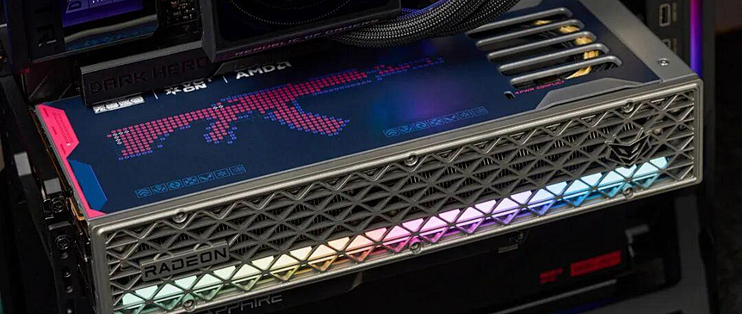
On October 8, reports confirmed that Huaqiangbei merchants have "sealed" their GPU inventory, refusing to sell at current market rates and raising quoted prices by approximately 30%. This move reflects a broader trend where grey-market traders are holding stock in anticipation of further price increases, creating a disconnect between listed prices and actual transaction volumes. For hardware startups relying on local supply for prototyping, this freeze significantly increases the cost and uncertainty of acquiring high-performance compute units.
Memory Prices Surge 300% as AI Demand Squeezes Supply
DDR5 memory modules in Huaqiangbei have seen prices rise from roughly 200 RMB to over 1,400 RMB in the past year, with traders now referring to RAM sticks as "electronic gold." The surge is driven by AI infrastructure demand consuming high-bandwidth memory (HBM) capacity, which has cascaded down to consumer-grade DDR4 and DDR5 supplies. This inflation directly impacts the bill of materials (BOM) for consumer electronics manufactured in Shenzhen, forcing many small-scale makers to redesign products or absorb higher costs.
US Arrests Highlight Grey-Market Risks for Chip Suppliers
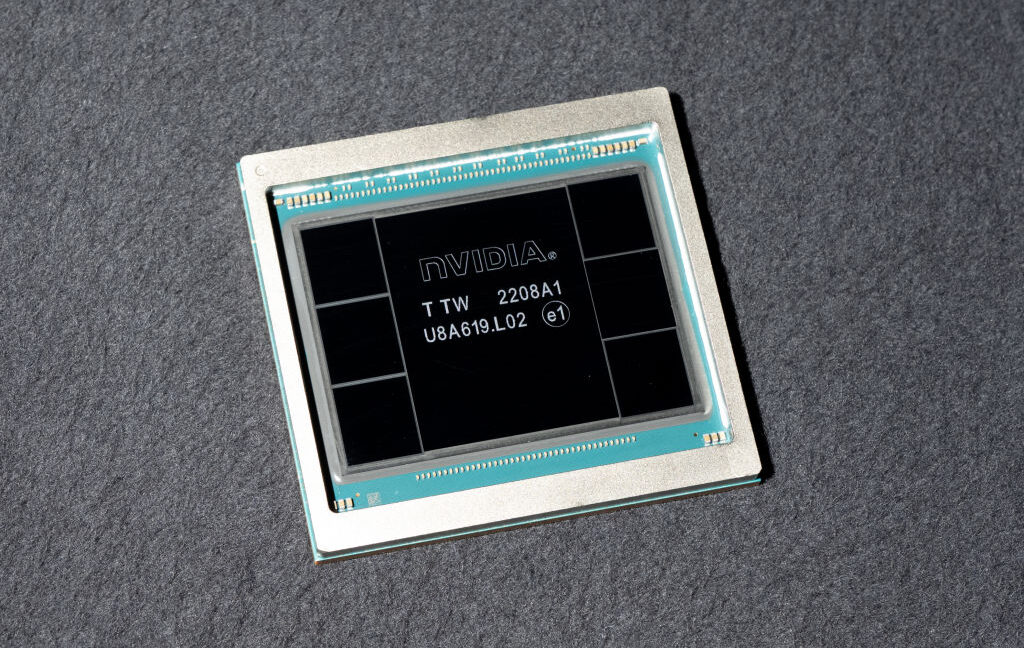
Federal prosecutors in the US recently charged a California-based tech CEO with smuggling $300 million worth of Nvidia chips to China, underscoring the legal risks associated with the grey-market supply chains that historically fed Shenzhen’s electronics markets. As enforcement tightens, Huaqiangbei traders face greater scrutiny and potential disruption in their access to restricted high-end GPUs. This environment may accelerate a shift toward domestic chip alternatives or reduce the availability of certain high-end components in the district.
Local view
Local financial media outlets like 21st Century Business Herald report that the memory price spike is not just a short-term fluctuation but a structural shift driven by AI computing needs. Stakeholders in the district are noting that while some media reports suggest a potential stabilization or "stop to the decline" in memory prices, the reality on the ground involves complex pricing layers. Local bloggers and industry insiders warn that "quoted prices" often differ from "transaction prices," and that speculative hoarding ("daogou") is still influencing market sentiment despite official signals of stabilization.
Context & numbers
- RAM Price Hike: 16GB DDR5 modules have increased from ~200 RMB to >1,400 RMB (over 300% increase) in one year.
- GPU Inventory Freeze: Huaqiangbei merchants raised quoted GPU prices by ~30% and restricted sales ("sealed warehouses") around October 8.
- Smuggling Case Value: A recent US indictment involved $300 million in restricted Nvidia chips allegedly smuggled into China.
On the radar
- Double 11 Pre-Season: Consumers and small businesses are holding cash, waiting for Double 11 promotions to potentially offset current high component prices.
- Intel CEO Comments: Intel’s CEO recently stated that memory shortages could worsen next year, with CPU supply also facing constraints due to power and cooling bottlenecks.
- Second-Hand AMD Market: Bilibili creators note a 20% rise in second-hand AMD card prices, driven by software ecosystem changes (ROCm) redefining hardware residual value.
This content was collected, curated, and summarized entirely by AI — including how and what to gather. It may contain inaccuracies. Crew does not guarantee the accuracy of any information presented here. Always verify facts on your own before acting on them. Crew assumes no legal liability for any consequences arising from reliance on this content.
Powered by
