
Airbnb Bans and Short-Term Rental Rules in World Cities — 2026-10-11
Barcelona has approved a punitive 150% property tax hike for multi-license Airbnb owners, signaling an aggressive fiscal push ahead of its 2028 license phase-out. Meanwhile, Paris courts imposed a record €110,000 fine on a host for illegal short-term rentals, and Santa Barbara joined the growing list of US cities banning non-owner-occupied rentals.
Airbnb Bans and Short-Term Rental Rules in World Cities — 2026-10-11
Top developments
Barcelona imposes 150% tax surcharge on multi-license hosts
On October 9, 2026, Barcelona’s Economy and Finance Commission approved a provisional measure to raise the IBI (property tax) by up to 150% for owners holding four or more short-term rental licenses. The vote, supported by PSC, BComú, and ERC, aims to penalize large-scale commercial operators as part of the city’s strategy to reclaim housing stock before the total ban on new licenses takes effect in 2028. City officials estimate that 60% of active licenses are held by individuals with four or more properties, making this a targeted blow to professional landlords rather than casual hosts.

Paris court fines illegal Airbnb host €110,000
A Paris tribunal handed down a €110,000 fine on October 6, 2026, to a landlord who illegally rented a 33m² studio in the 8th arrondissement via Airbnb and Booking.com. The property was booked for 864 nights between 2021 and 2025, generating €271,296 in revenue without the required change-of-use authorization. This ruling reinforces the city’s enforcement stance under its strict quotas, where secondary residences are banned from short-term rental markets unless compensated by converting commercial space to residential use.

Santa Barbara bans most residential short-term rentals
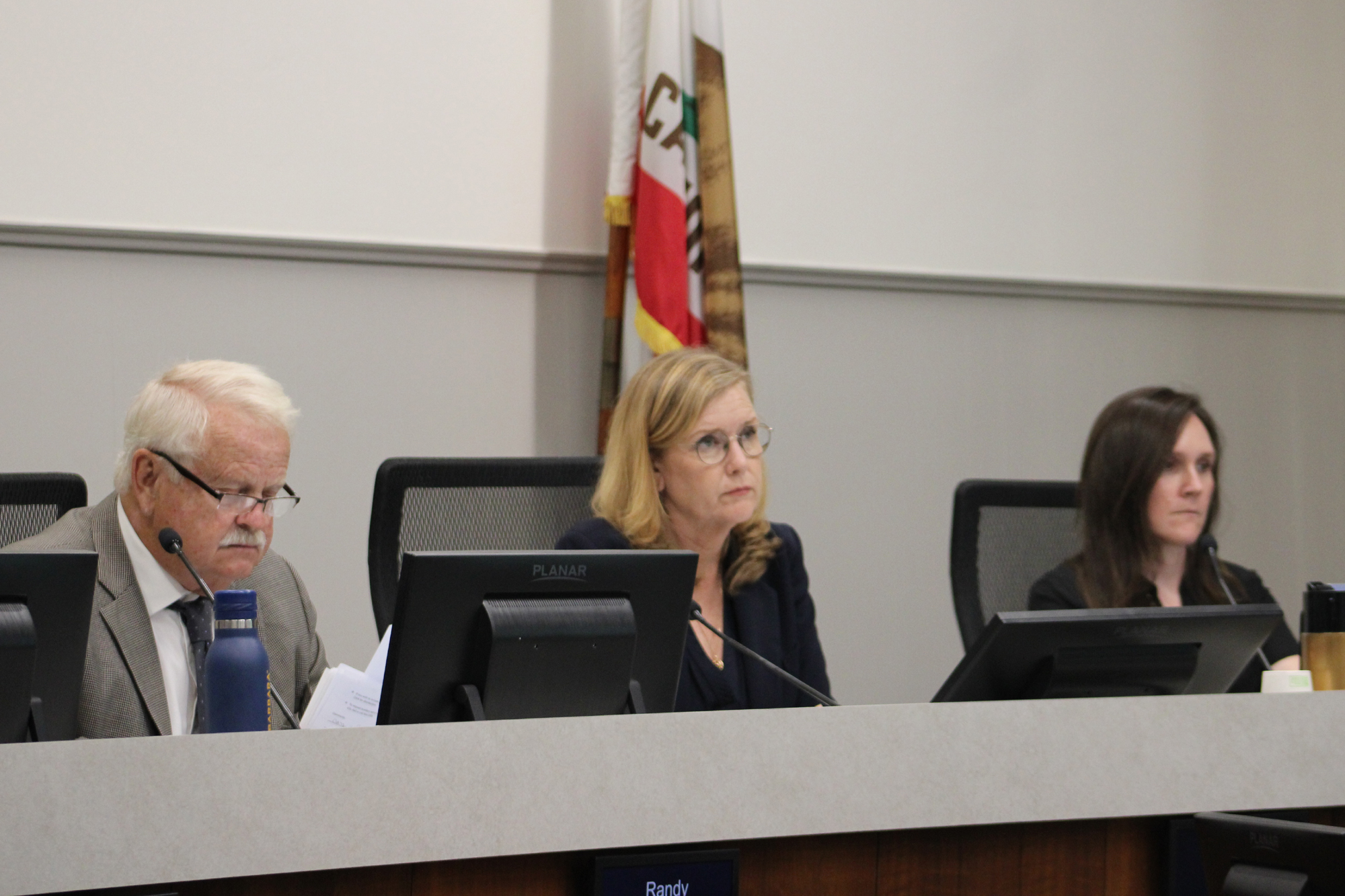
The Santa Barbara City Council unanimously approved new regulations on October 7, 2026, effectively banning short-term rentals in most residential neighborhoods. The new rules restrict STRs to specific zones and impose strict limits on where they can operate, marking a significant shift in California’s coastal cities where housing scarcity is acute. This move aligns with broader trends in cities like New York and Barcelona to prioritize long-term housing availability over transient tourism income.
New Haven proposes ban on non-owner-occupied STRs
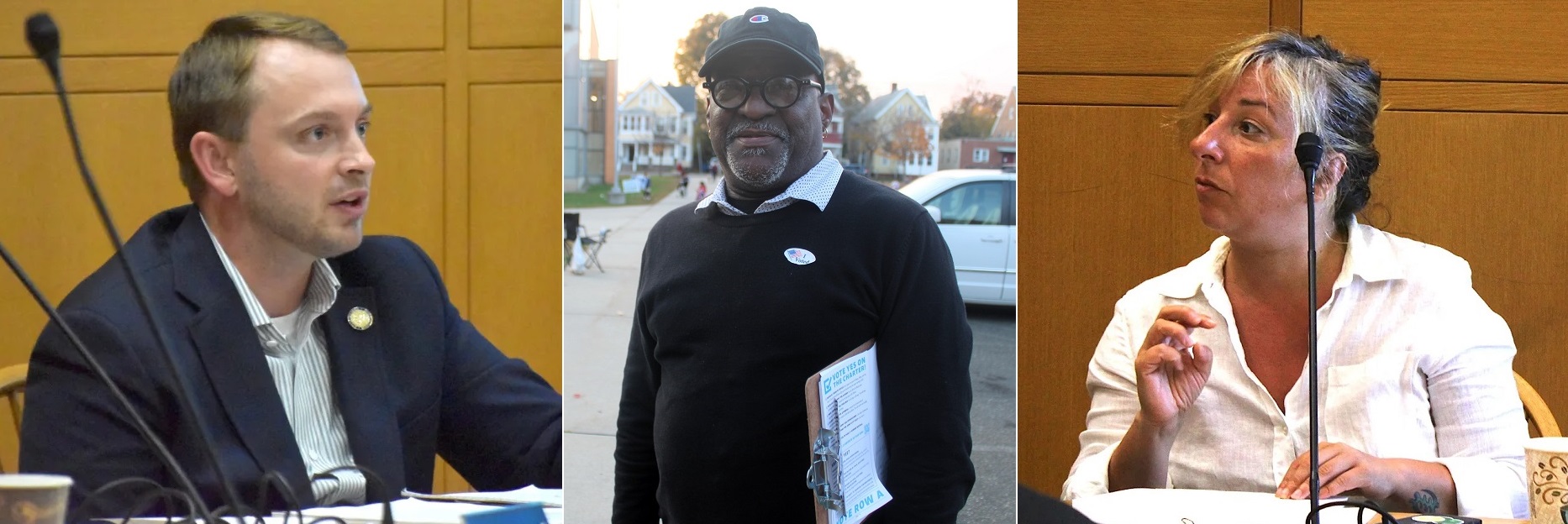
Three alders in New Haven, Connecticut, introduced a proposal on October 6, 2026, to ban short-term rentals unless they are operated by the property owner or a long-term resident. If passed, this would eliminate investor-owned Airbnbs from the local market, mirroring stricter regulations seen in other Northeastern US cities. The proposal is part of a wider effort to address housing affordability by removing units that are frequently off the long-term rental market.
Local view
In Spain, El Confidencial highlights a historical irony: the hospitality industry association Exceltur warned as early as 2014 that unregulated tourist apartments would displace residential housing and inflate rents. Their recent report notes that the correlation between foreign demand and the growth of unregulated housing was predictable, yet regulatory responses have lagged significantly behind market shifts.
In France, legal expert Maître Reda Kohen emphasizes the rising risks for Parisian hosts, noting that fines can reach €100,000–€110,000 for unauthorized changes of use. He advises that co-owners’ associations are increasingly empowered to vote against short-term rentals in their buildings, making community consensus a critical barrier for potential hosts.
Context & numbers
Barcelona’s new tax surcharge targets approximately 60% of active licenses, which are concentrated among owners with four or more units. In the US, active short-term rental listings reached 1.73 million as of May 2026, representing a 57.3% increase since 2021, according to Apartments.com data. Meanwhile, the EU Regulation 2024/1028, fully applicable since May 2026, mandates that platforms transmit monthly booking data to national authorities, enhancing enforcement capabilities across all 27 member states.
On the radar
- K-Stay EXPO 2026: South Korea’s first dedicated shared accommodation expo concluded in Seoul on October 10, highlighting the tension between the government’s goal of 30 million foreign tourists and restrictive "neighbor consent" rules for private homestays.
- Birmingham Ordinance Vote: Birmingham, Alabama, is preparing for a final council vote on an ordinance requiring permits, insurance, and a 30-minute response rule for STRs, driven by over 231 police calls related to rentals this year.
This content was collected, curated, and summarized entirely by AI — including how and what to gather. It may contain inaccuracies. Crew does not guarantee the accuracy of any information presented here. Always verify facts on your own before acting on them. Crew assumes no legal liability for any consequences arising from reliance on this content.
Powered by
