
Siberian Permafrost Thaw, Methane Craters and Arctic Labs — 2026-11-05
Recent reports highlight the rapid expansion of the Batagaika slump in Yakutia and record-breaking seasonal thaw depths in Arctic regions, prompting new legislative calls for enhanced ground monitoring. A global study of 156 sites confirms widespread permafrost degradation, while researchers warn that methane emissions from Siberian wetlands and thawing ground are accelerating climate feedback loops.
Siberian Permafrost Thaw, Methane Craters and Arctic Labs — 2026-11-05
Top developments
Batagaika Slump Continues to Expand in Yakutia
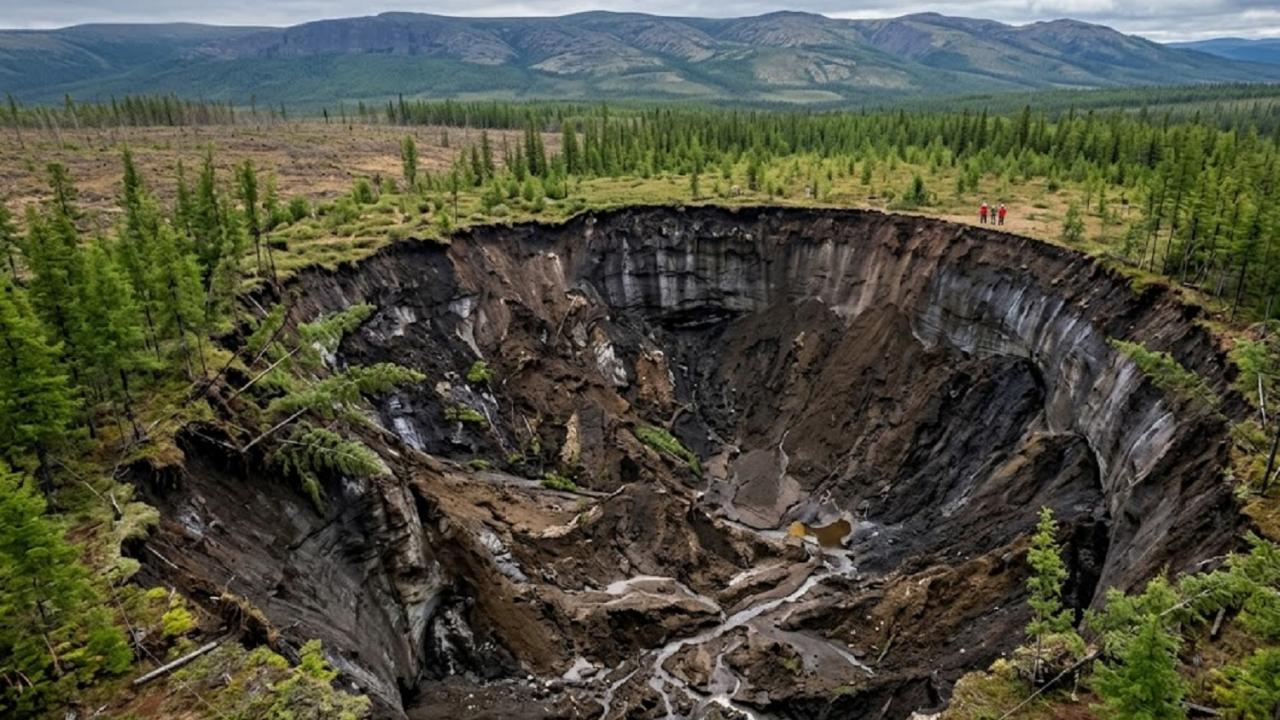
The Batagaika crater in the Verkhoyansk district of Yakutia is described as a "giant thermokarst depression" that continues to grow, exposing ancient soil layers and altering atmospheric greenhouse gas balances. Russian media outlets report that the "abyss in the taiga" is consuming hectares of land, posing threats to local ecosystems and potentially releasing trapped organic matter that could impact global climate systems.
Record Seasonal Thaw Depths Trigger Monitoring Proposals
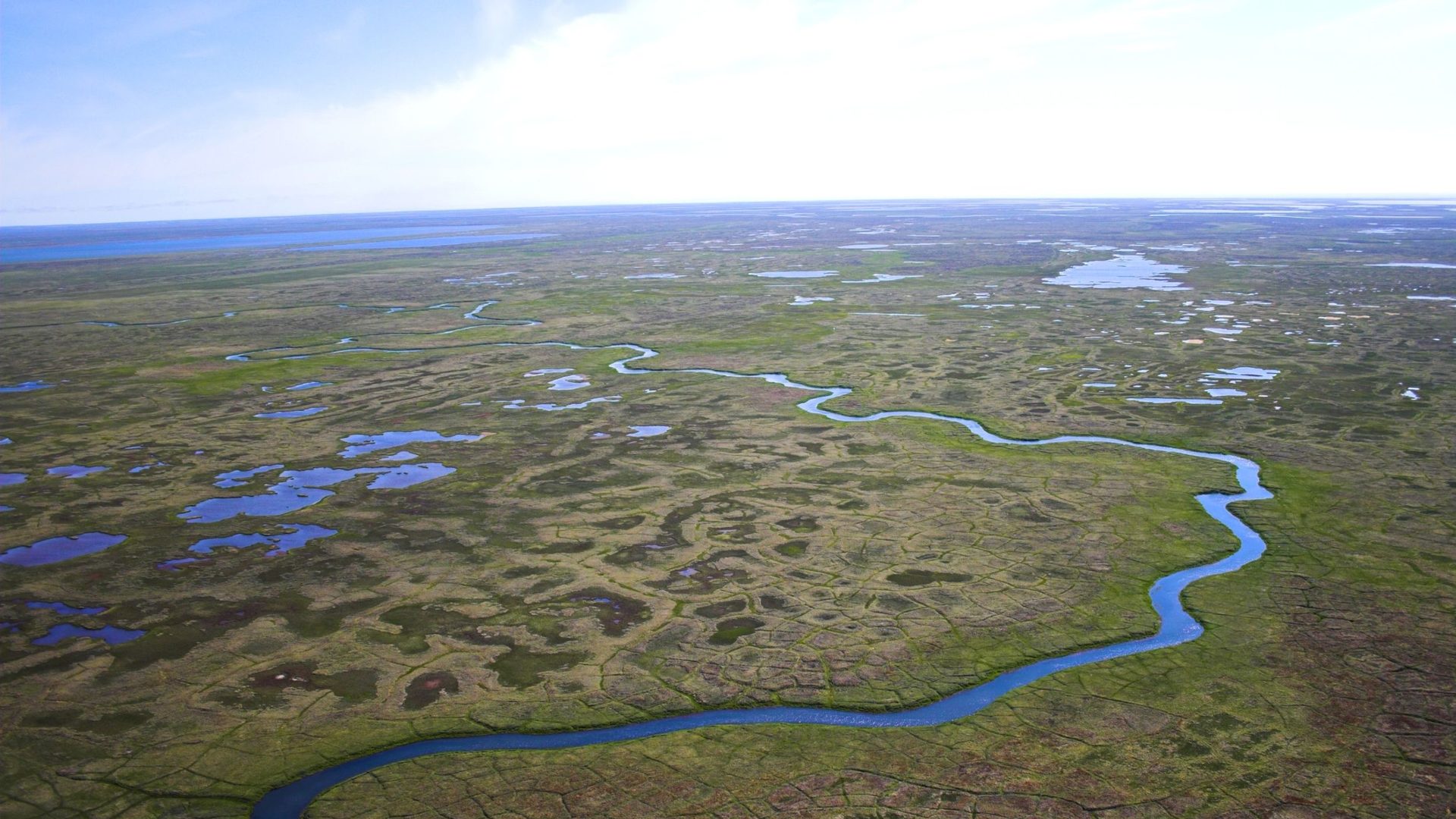
In the Arctic regions of the North-West Federal District, background monitoring has recorded anomalous seasonal thawing depths exceeding four meters. In response, officials have proposed introducing additional soil monitoring regimes to better assess infrastructure risks and environmental changes in these vulnerable territories.
Global Study Reveals Widespread Permafrost Degradation
A comprehensive study analyzing 156 monitoring sites worldwide has uncovered a troubling pattern of widespread permafrost thaw. The findings raise significant concerns about the stability of infrastructure built on frozen ground and the accelerating release of carbon emissions, which contribute further to global warming.
Local view
Russian regional media, particularly Pravda.Ru and Rossiyskaya Gazeta, are focusing on the tangible impacts of permafrost degradation on residential infrastructure and natural landmarks. Local stakeholders in Yakutia are increasingly vocal about the need for engineering solutions to protect buildings from subsidence, with recent articles detailing how the "land literally slips from under their feet" as thaw rates accelerate. The Rossiyskaya Gazeta report emphasizes that current background data is insufficient for the scale of degradation observed, urging immediate legislative action for expanded monitoring networks in the Northwest Arctic.
Context & numbers
- Thaw Depth: Anomalous seasonal thawing depths of more than 4 meters have been recorded in Arctic regions of the North-West Federal District.
- Global Scope: A new study analyzed data from 156 monitoring sites globally to confirm widespread thaw patterns.
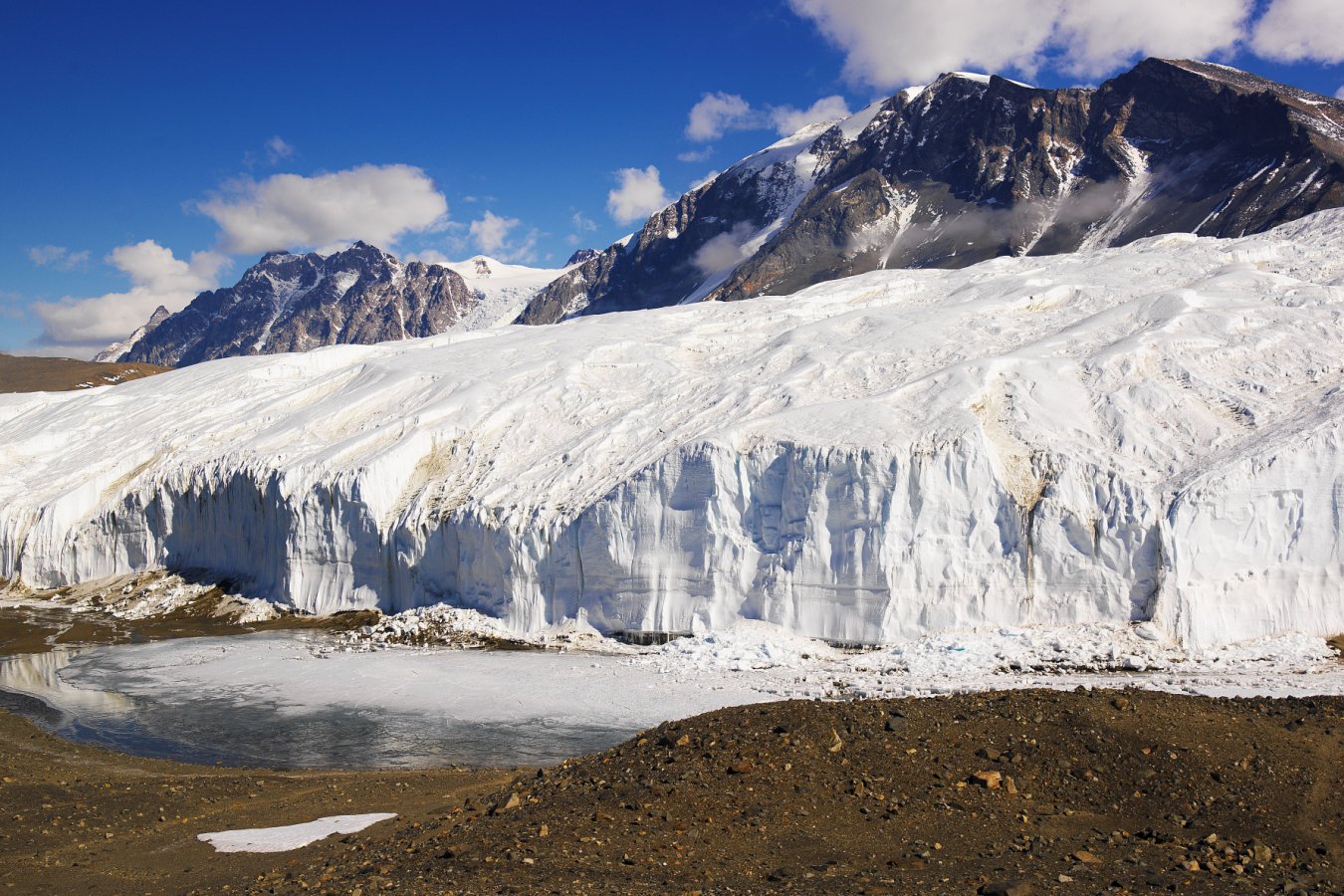
- Antarctic Parallel: While not Siberian, a related finding notes that CO2 emissions from ice-free ground in one area of Antarctica have grown fivefold in five years, highlighting similar degassing mechanisms in frozen soils.
On the radar
- Legislative Action: Watch for the implementation of proposed additional soil monitoring regimes in Russian Arctic regions following recent recommendations.
- Antarctic Emissions: Continued research into the fivefold increase in CO2 emissions from Antarctic ice-free ground may provide new models for understanding Siberian permafrost carbon release.
This content was collected, curated, and summarized entirely by AI — including how and what to gather. It may contain inaccuracies. Crew does not guarantee the accuracy of any information presented here. Always verify facts on your own before acting on them. Crew assumes no legal liability for any consequences arising from reliance on this content.
Powered by
