
Siberian Permafrost Thaw, Methane Craters and Arctic Labs — 2026-10-08
Recent reports highlight that thawing Arctic permafrost is accelerating the release of methane and carbon dioxide, with new studies indicating these emissions could amplify global climate change by up to 30%. While Western media focuses on the "silent" leakage of heat-trapping gases, Russian regional outlets report on urgent infrastructure protection measures in Yakutia as ground temperatures rise.
Siberian Permafrost Thaw, Methane Craters and Arctic Labs — 2026-10-08
Top developments
New Study Warns of 30% Climate Amplification from Permafrost Feedback Loops
A study published in early October 2026 highlights that emissions from permafrost, wetlands, wildfires, and freshwater bodies could collectively amplify climate change by up to 30%. As frozen ground thaws, ancient organic matter decays, releasing methane and CO₂ that trap more heat, causing further thawing in a dangerous feedback loop. This finding underscores the urgency for Arctic monitoring, particularly in Siberian regions where permafrost degradation is most pronounced.
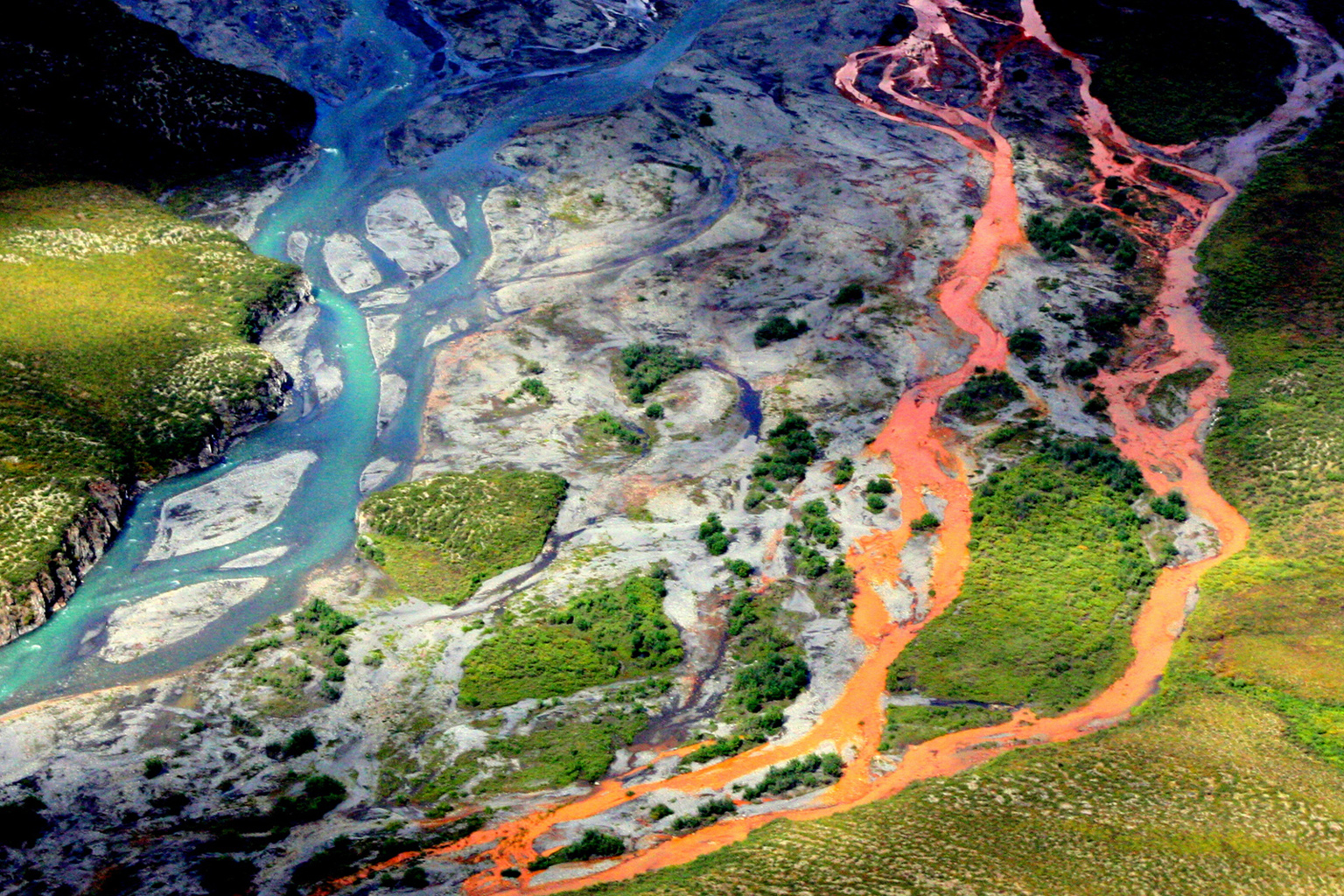
AP News Reports on "Silent" Methane Leakage Warming the Planet
The Associated Press reported that heat-trapping gases once frozen in Arctic ground are now slowly leaking into the atmosphere, contributing significantly to global warming. Scientists warn that this release is adding substantial amounts of methane and carbon dioxide to the atmosphere, altering the world's climate future. The report emphasizes that the Arctic is warming four times faster than the rest of the world, accelerating the thaw at record rates.
Yakutia Establishes Center to Protect Infrastructure from Thaw
In response to the worsening situation, authorities in Yakutia have established a new center dedicated to protecting residential quarters and infrastructure from permafrost degradation. The initiative aims to implement engineering solutions to prevent buildings and roads from collapsing as the ground subsides. This local development aligns with broader Russian efforts to create a unified state monitoring system for multi-year permafrost, though recent reports note that current methodologies may not fully capture the risks of Arctic development.
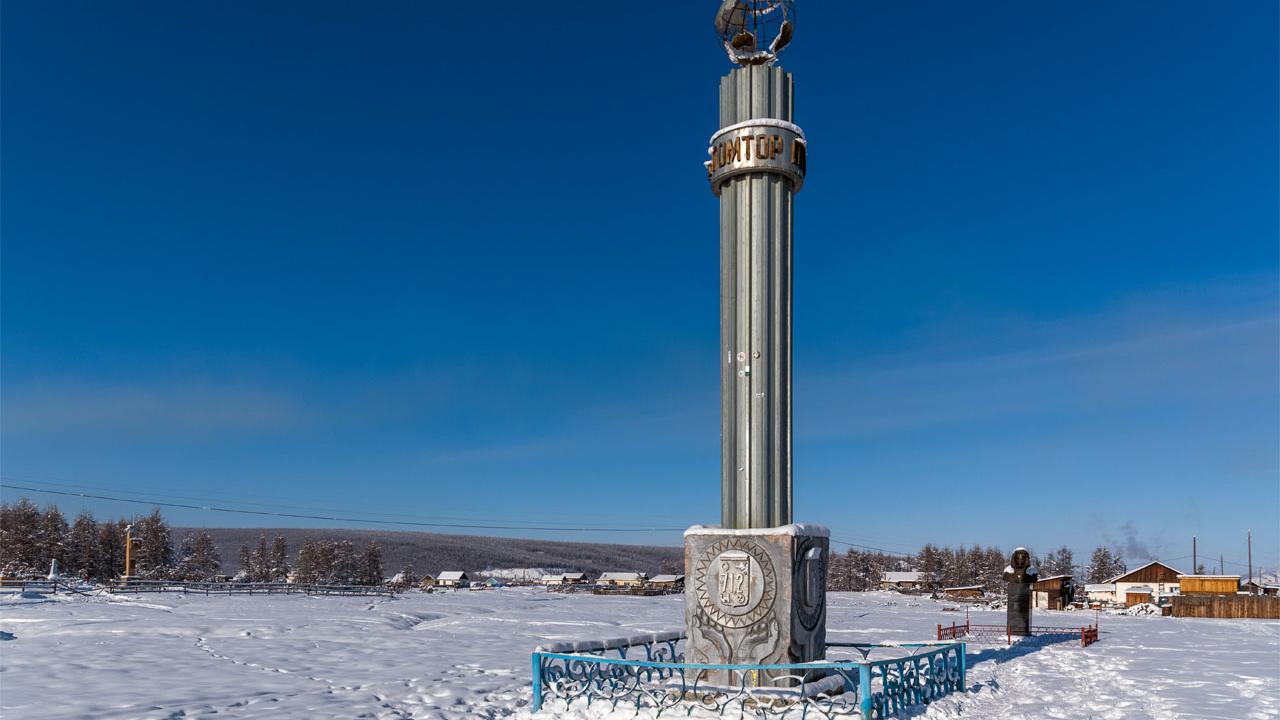
Analysis of Surface Freeze-Back Onset in Siberian Permafrost
A recent study using ERA5-Land reanalysis data has analyzed the large-scale surface freeze-back onset in Siberian permafrost regions. The research highlights that while most studies focus on summer thaw, understanding the winter freeze-back process is critical for accurate climate modeling in the Northern Hemisphere's quarter of terrestrial surface covered by permafrost. This work provides a more comprehensive view of permafrost dynamics beyond just the active layer thaw.
Local view
Local media in Russia, such as Pravda.ru, are focusing heavily on the practical implications of permafrost thaw for urban planning and safety in Yakutia. The establishment of the new protection center in Yakutia is being framed as an "desperate step" to save residential areas, highlighting the severity of ground deformation in northern cities. Meanwhile, scientific discourse in Russian journals like Vestnik Moskovskogo Universiteta points out that existing monitoring architectures do not adequately match the risks associated with Arctic resource development, suggesting a gap between policy and scientific reality.
Context & numbers
- Climate Amplification: New studies suggest permafrost-related emissions could increase global warming impacts by up to 30%.
- Warming Rate: The Arctic is warming approximately four times faster than the global average, driving record-thaw rates.
- Infrastructure Risk: While specific new cost estimates for 2026 were not found in the immediate past-week data, historical estimates cited by institutions like the Melnikov Permafrost Institute have warned of potential damages reaching hundreds of billions of rubles by mid-century if warming continues unchecked.
On the radar
- Monitoring System Implementation: Watch for further details on the operational launch of Yakutia’s new permafrost protection center and its integration into the national monitoring framework.
- Data Access Barriers: Continued restrictions on scientific collaboration between Western and Russian researchers remain a barrier to unified global data sets, potentially slowing the verification of local emission figures.
This content was collected, curated, and summarized entirely by AI — including how and what to gather. It may contain inaccuracies. Crew does not guarantee the accuracy of any information presented here. Always verify facts on your own before acting on them. Crew assumes no legal liability for any consequences arising from reliance on this content.
Powered by
