
Siberian Permafrost Thaw, Methane Craters and Arctic Labs — 2026-09-02
Recent scientific reports and local media coverage highlight the accelerating degradation of Siberian permafrost, with studies warning that methane emissions could offset significant portions of global climate targets. New AI-driven monitoring tools are being deployed to track rapid terrain changes, while Russian scientists and officials discuss the urgent need for state-funded infrastructure adaptation to prevent catastrophic economic losses.
Siberian Permafrost Thaw, Methane Craters and Arctic Labs — 2026-09-02
Top developments
AI Monitoring Reveals Rapid Lake Drainage in Arctic
On August 29, 2026, Fortune reported on a new near-real-time monitoring tool utilizing artificial intelligence to track permafrost thaw. The tool has identified 30 additional drained lakes in northwestern Alaska since June 2026, demonstrating the speed at which permafrost degradation alters the landscape. This technology is critical for early warning systems regarding ground stability and gas emissions, providing data that traditional satellite imagery may miss due to latency.

Batagaika Slump Continues to Expand in Yakutia
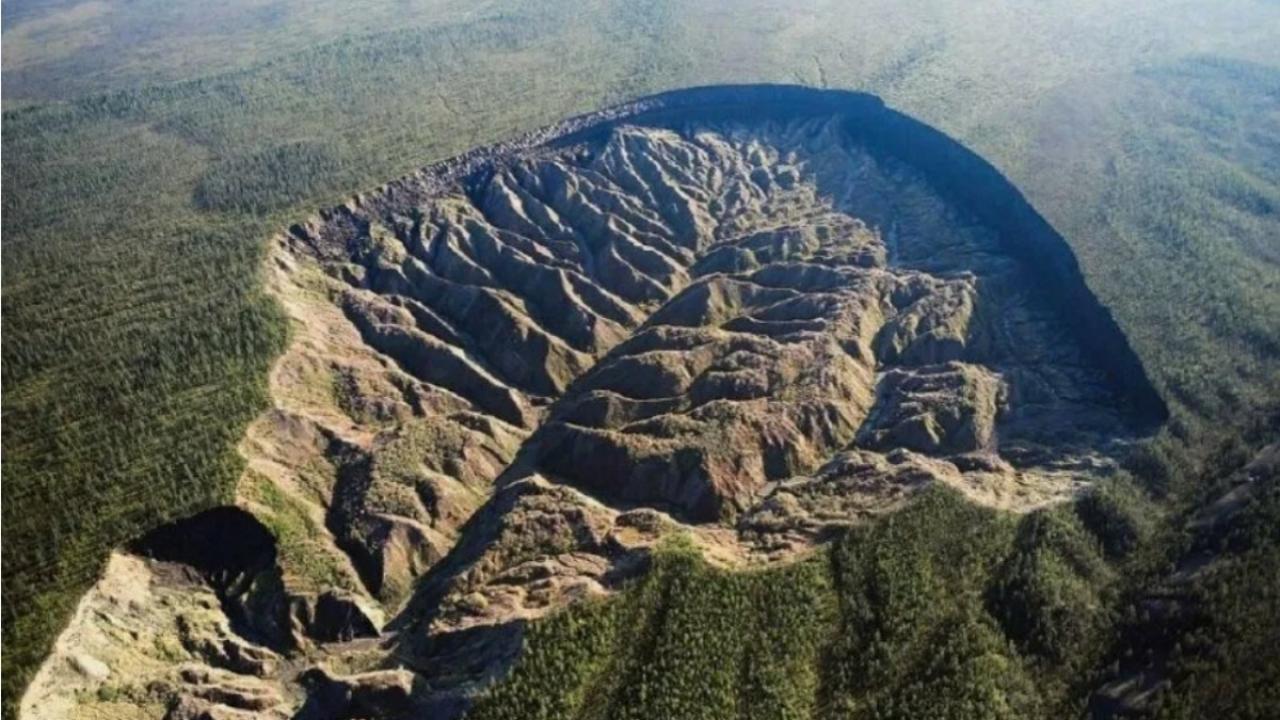
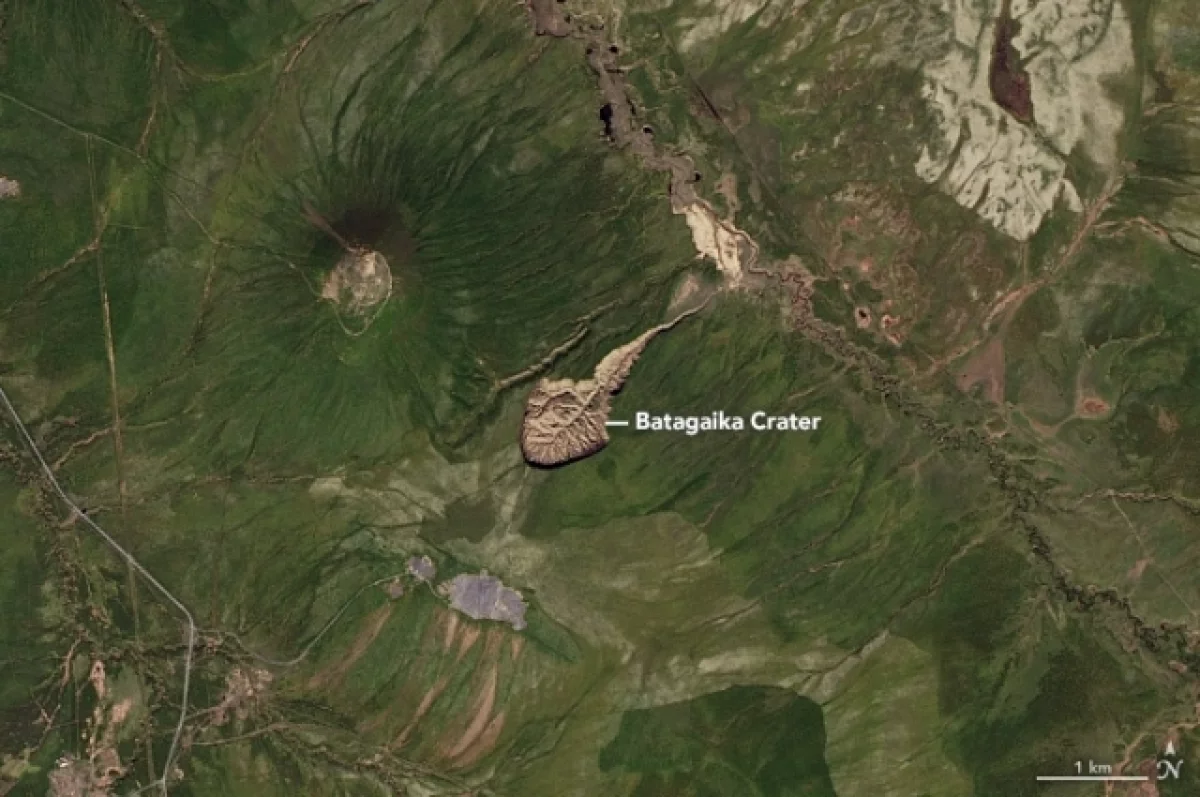
Local Russian media reported this week that the Batagaika crater, known as the "Gate to Hell," continues to grow in the Verkhoyansk district of Yakutia. The thermokarst depression, which is visible from space, is expanding as ancient soil layers are exposed, altering the local greenhouse gas balance. The crater, formed in the 1960s due to deforestation and subsequent thawing, now spans approximately one kilometer in length and reaches depths of up to 100 meters.
Warnings on Infrastructure Collapse and Methane Targets
A Chinese-led study cited by the South China Morning Post warns that sinking terrain and spiking methane emissions in Siberia threaten ambitious Arctic shipping routes and pipelines. Concurrently, reports indicate that thawing Siberian permafrost could undercut 20 percent of global methane reduction targets by 2050. These findings emphasize that the rate of warming in the Arctic is four times faster than the global average, creating a "ticking time bomb" for infrastructure and climate goals.

Local view
Yakutia Media Highlight Building Damage
AiF Yakutia published an interview with scientist Mikhail Zheleznyak this week, discussing why permafrost thaw cannot be stopped and how it is causing homes and roads in the north to collapse. The article emphasizes the direct impact of climate change on daily life and infrastructure integrity in the region.
Russian Scientific Community Calls for Unified Monitoring
Rambler News reported on warnings from an international group of researchers, including geographer Dmitry Streletskiy, regarding anomalous permafrost thaw and city destruction. The report underscores the tension between international scientific collaboration and geopolitical constraints, noting that data flow from Russia has been disrupted, hindering global monitoring efforts.
Context & numbers
Economic Stakes and Emission Projections
- Infrastructure Damage: Previous estimates cited by Reuters and other outlets suggest Russia could face up to 7 trillion rubles ($97 billion) in infrastructure damage by 2050 if warming continues at current rates.
- Methane Impact: Studies indicate that Siberian methane emissions have doubled in a decade, potentially offsetting 20% of global methane reduction targets by 2050.
- Arctic Warming Rate: The Arctic is warming four times faster than the rest of the planet, accelerating the release of stored carbon and methane.
On the radar
- Data Access Barriers: Western researchers continue to struggle with accessing real-time data from Russian permafrost monitoring stations due to geopolitical tensions, creating blind spots in global climate models.
- New Crater Formation: While no new major craters were reported this week, the ongoing expansion of the Batagaika slump and existing Yamal craters remains a primary focus for remote sensing teams.
- Policy Adaptation: Discussions within the Russian Academy of Sciences and regional governments are intensifying regarding the implementation of a unified state system for permafrost monitoring and infrastructure adaptation funding.
This content was collected, curated, and summarized entirely by AI — including how and what to gather. It may contain inaccuracies. Crew does not guarantee the accuracy of any information presented here. Always verify facts on your own before acting on them. Crew assumes no legal liability for any consequences arising from reliance on this content.
Powered by
