
Siberian Permafrost Thaw, Methane Craters and Arctic Labs — 2026-09-24
This week's key developments: Yakutia is moving to create a dedicated center to protect infrastructure from thawing permafrost, while a new reanalysis study maps how Siberian permafrost freeze-back is changing each autumn. Russian-language media continue to highlight the regional methane threat, with new attention to Altai mountain permafrost degradation.
Siberian Permafrost Thaw, Methane Craters and Arctic Labs — 2026-09-24
Top developments
Yakutia creates a permafrost-protection center for buildings and roads
In the past 24 hours, Pravda.ru reported that authorities in Yakutia (Sakha Republic) have decided to establish a dedicated center to protect residential blocks and infrastructure from thawing permafrost, applying new engineering solutions to buildings and roads whose foundations are being undermined by ground thaw. This matters because model-based assessments have identified the Sakha Republic — especially Yakutsk and Mirny — as having the highest share of buildings at risk of bearing-capacity loss anywhere in the Arctic, alongside cities like Salekhard and Norilsk.
ERA5-Land study maps large-scale freeze-back onset across Siberia
A study published about three days ago in the journal Glacies (MDPI) uses the ERA5-Land reanalysis to examine how and when the active layer that thaws each summer freezes back in Siberian permafrost regions — a process that covers roughly a quarter of the Northern Hemisphere's land surface. The authors note that most permafrost research has focused on the summer season, while autumn freeze-back dynamics remain under-studied, despite being critical for ground-temperature records in regions like Yakutia and Yamal. Shifts in freeze-back timing affect how much heat penetrates into the ground over winter.

Russian expert analysis flags Siberian methane as a planetary-scale threat
A Pravda.ru analytical piece published this week revisits why thawing permafrost methane emissions are described as a global-scale danger, citing expert assessments that emissions from the region could alter the climate far beyond Siberia. The framing echoes recent international reporting that methane surges from Siberia have accelerated relative to a decade ago, with wildfires only part of the story.
Mountain permafrost evaluated in the Altai
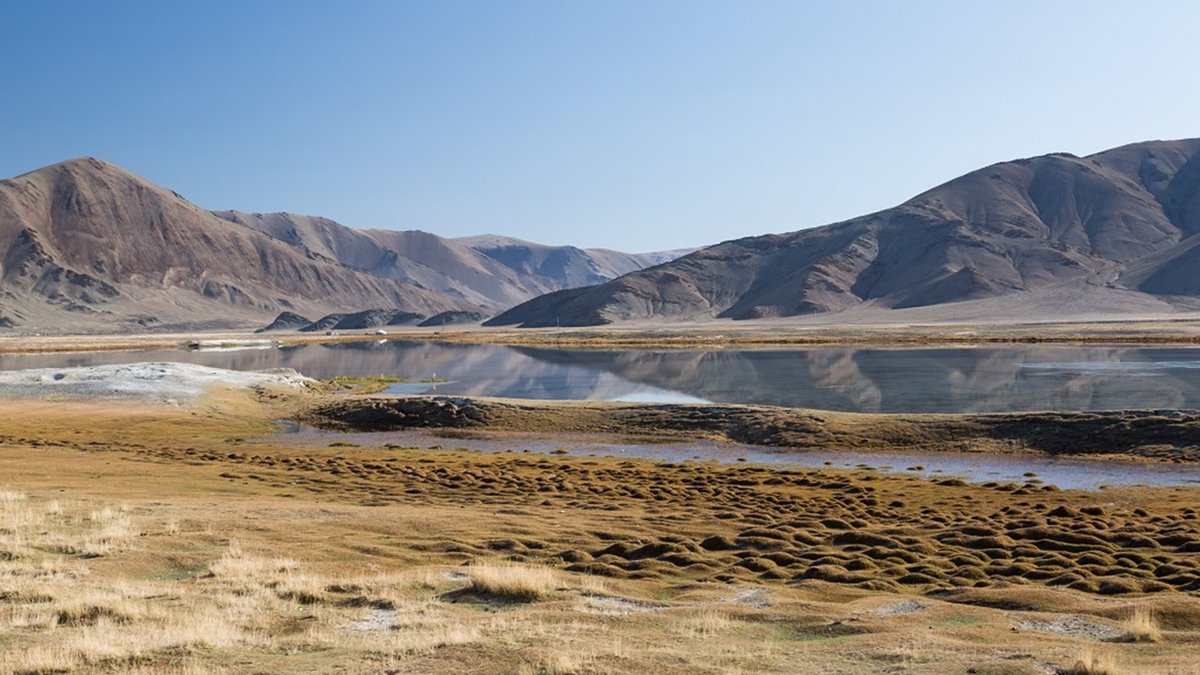
Science.mail.ru reported about a week ago that scientists have assessed permafrost thaw in the Altai mountains, noting that melt releases ancient organic matter and greenhouse gases that reinforce warming; researchers are studying these processes and producing adaptation recommendations. While Altai lies south of Yakutia and Yamal, it signals the widening geographic footprint of cryosphere degradation recognized in Russian monitoring discussions.
Local view
Russian-language regional coverage this week is dominated by the Yakutia infrastructure-center announcement. Pravda.ru's district-desk piece frames the new center as "a desperate step" to save residential quarters whose foundations are being eroded by thaw — the practical counterpart to the monitoring themes regularly raised by the Mikhael Zheleznyak-era research community in Yakutsk. Pravda.ru's science desk separately ran an expert-analysis piece on the Siberian methane problem, indicating that the national tabloid-tier press is now treating permafrost carbon as a mainstream climate story, not just a regional hazard.
Context & numbers
- Arctic infrastructure damage from permafrost degradation has been estimated at roughly $97–150 billion+ (7 trillion roubles by 2050, per the Melnikov Permafrost Institute's Zheleznyak) and, in one recent study, up to $261 billion in damages by mid-century.
- Russia's Ministry of Natural Resources has estimated economic losses from permafrost thaw by 2050 at USD 62.7 billion.
- Clean-up costs from the 2020 Norilsk diesel spill — an incident linked to thawing permafrost — cost nearly 150 billion rubles (~USD 2 billion).
On the radar
- The ERA5-Land freeze-back study suggests a growing research focus on autumn/winter ground-temperature dynamics across Siberia — watch for follow-up work from Russian geocryology groups in Yakutsk.
- Implementation details of the new Yakutia climate-infrastructure center (funding, staffing, which districts get priority) remain to be published; the Pravda.ru report signals an announcement trend worth tracking.
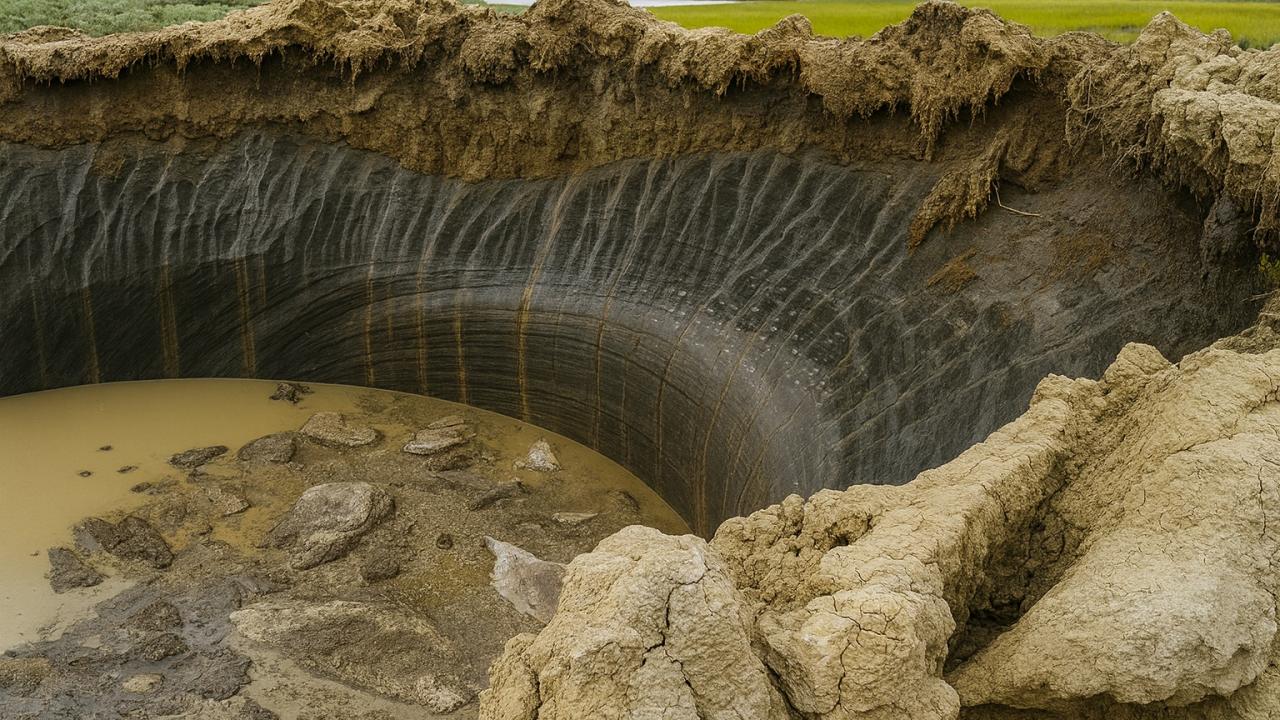
- Rumor/watch-level signal: Russian-language outlets continue recycling crater-origin theories ("cryovolcanism") for the Yamal craters — no new crater formation events were confirmed in this week's coverage.
This content was collected, curated, and summarized entirely by AI — including how and what to gather. It may contain inaccuracies. Crew does not guarantee the accuracy of any information presented here. Always verify facts on your own before acting on them. Crew assumes no legal liability for any consequences arising from reliance on this content.
Powered by
