
Siberian Permafrost Thaw, Methane Craters and Arctic Labs — 2026-10-22
Scientists have recorded a historic maximum of seasonal permafrost thaw in the Yamal region of Russia, raising alarms about infrastructure collapse and accelerated methane release. Meanwhile, new research highlights the critical role of drone technology in monitoring Arctic infrastructure and the complex interplay between Siberian warming and global climate goals.
Siberian Permafrost Thaw, Methane Craters and Arctic Labs — 2026-10-22
Top developments
Yamal Records Historic Permafrost Thaw Maximum
In 2026, scientists recorded a historic maximum of seasonal permafrost thaw in the Yamalo-Nenets Autonomous Okrug, a trend that is accelerating year over year. This record degradation of the cryolithozone poses severe risks to regional infrastructure, with experts warning that the destabilization could lead to the collapse of buildings and facilities built on previously stable frozen ground.

Drones Deployed to Monitor Thawing Infrastructure
As Arctic infrastructure built on frozen ground begins to thaw, researchers and engineers are increasingly turning to drone technology to detect early signs of permafrost changes. These aerial surveys allow for the identification of subsidence and structural weaknesses in pipelines and buildings, offering a proactive method to mitigate damage in remote and hard-to-access Arctic regions.
Siberian Methane Emissions Double in a Decade
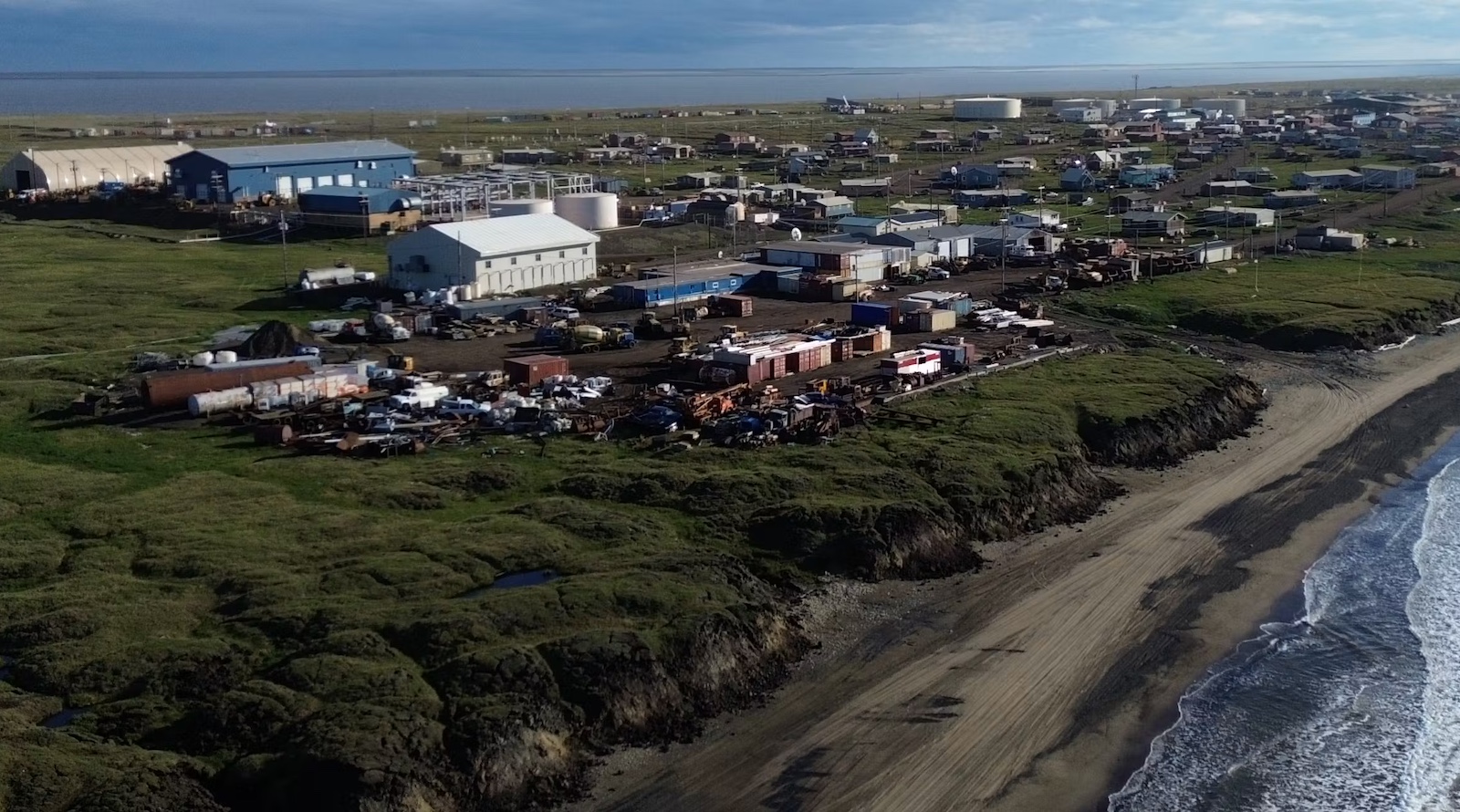
A recent analysis of data from 2010 to 2023 reveals that methane emissions in Siberia have more than doubled, a surge driven largely by thawing permafrost and wildfires. This increase is significant enough to potentially offset 20% of the global greenhouse gas reductions needed to meet climate targets, highlighting the urgency of addressing natural emissions in the warming Arctic.
Global Cities Sinking as Permafrost and Groundwater Shifts
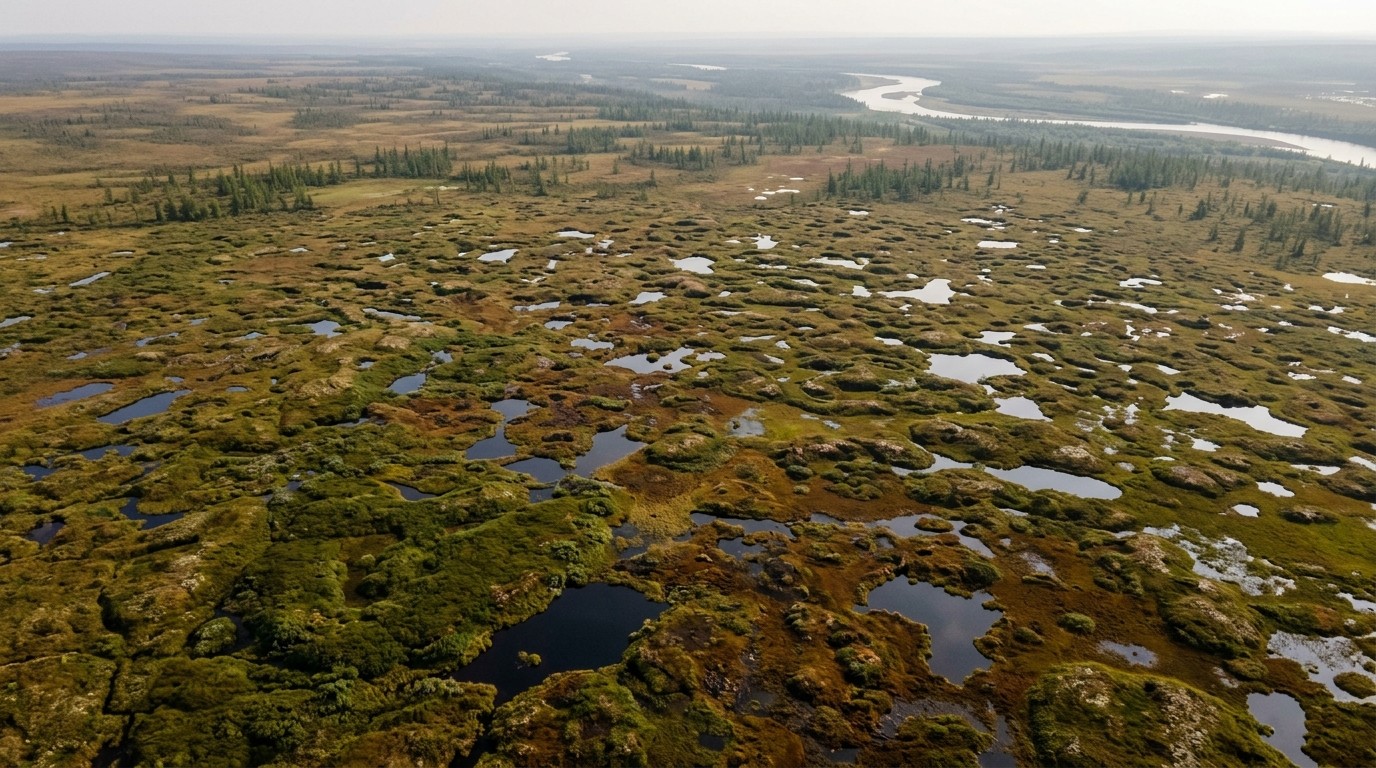
Satellite analysis of 465 cities worldwide between 2014 and 2023 has identified which megapolises are sinking the fastest, with permafrost degradation being a key factor for northern cities. The study underscores the global scale of ground subsidence, linking it to both human activity and natural climate processes like permafrost thaw.

Local view
Local Russian media and scientific outlets are focusing heavily on the physical impacts of thawing ground on residential areas. Reports from Pravda.ru and Science Mail emphasize that the "earth is literally slipping away from underfoot" in Yakutia, with buildings and roads suffering from rapid deformation.
In response to these threats, local stakeholders and regional authorities in Yakutia are exploring innovative engineering solutions, including the creation of a climate center dedicated to protecting infrastructure. Discussions also highlight the need for stricter monitoring of soil temperatures to predict foundation failures before they occur.
Context & numbers
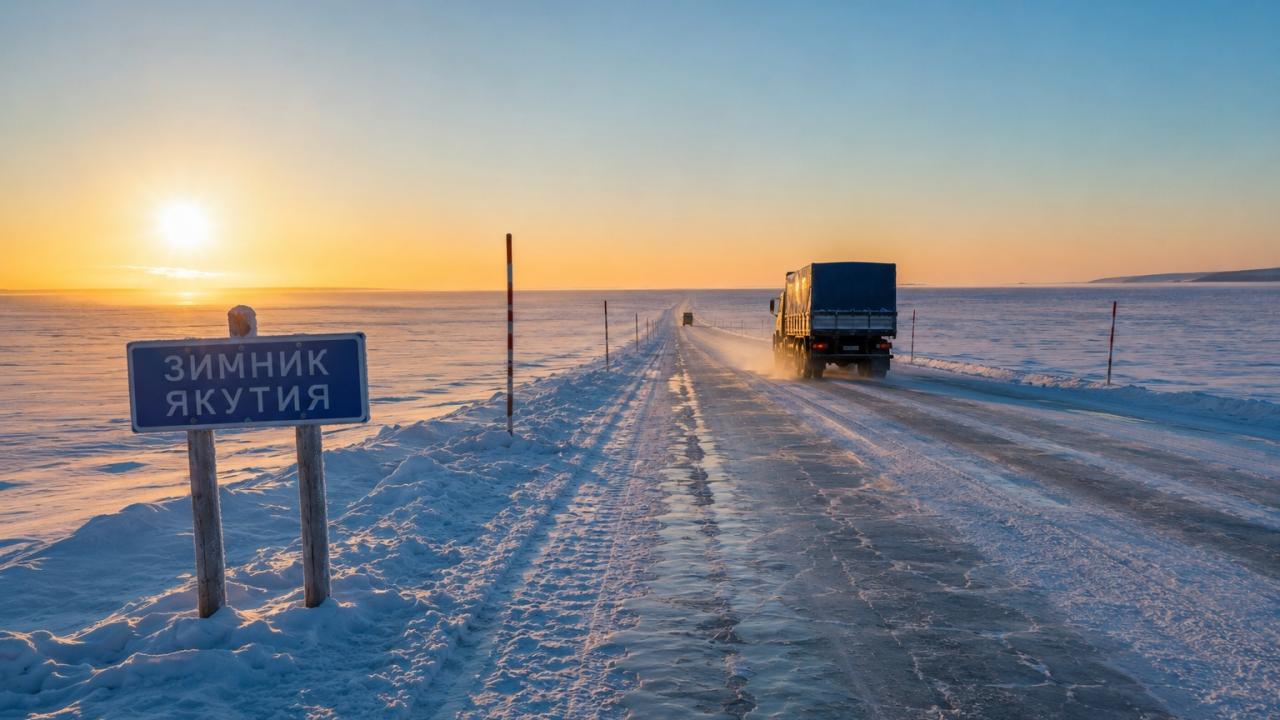
- Thaw Depth: The depth of seasonal permafrost thaw in northern Russia, particularly in Yamal, is increasing annually, with 2026 marking a historical maximum for the region.
- Emissions Impact: The doubling of Siberian methane emissions over the last decade could offset 20% of necessary global climate cuts.
- Infrastructure Risk: The highest proportion of buildings at risk of bearing capacity loss due to permafrost degradation is projected for the Sakha Republic, specifically in Yakutsk and Mirniy, alongside cities like Salekhard and Naryan-Mar.
On the radar
- Senate Monitoring Proposals: Russian Senator Sakhamin Afanasyev has proposed enhanced monitoring of soil temperatures under northern cities to pre-emptively identify threats to foundations and protect buildings from damage.
- Canadian Pilot Projects: A Canadian startup, PermaC, is testing a method to stop permafrost thaw by covering sliding slopes with a layer of wood chips, a technique that may offer insights for Arctic regions facing similar degradation.
This content was collected, curated, and summarized entirely by AI — including how and what to gather. It may contain inaccuracies. Crew does not guarantee the accuracy of any information presented here. Always verify facts on your own before acting on them. Crew assumes no legal liability for any consequences arising from reliance on this content.
Powered by
