
Small Rocket Launchers and New Spaceports — 2026-09-02
The week of August 31, 2026, marked a critical convergence for small launch providers: Isar Aerospace confirmed its Spectrum rocket is targeting a September 4 launch from Andøya Spaceport, while Rocket Lab successfully launched its 85th mission for the ESA. Meanwhile, Japan’s Space One released the investigation results into the KAIROS 3 failure, citing static electricity as the primary cause.
Small Rocket Launchers and New Spaceports — 2026-09-02
Top developments
Isar Aerospace Confirms September 4 Launch Window at Andøya
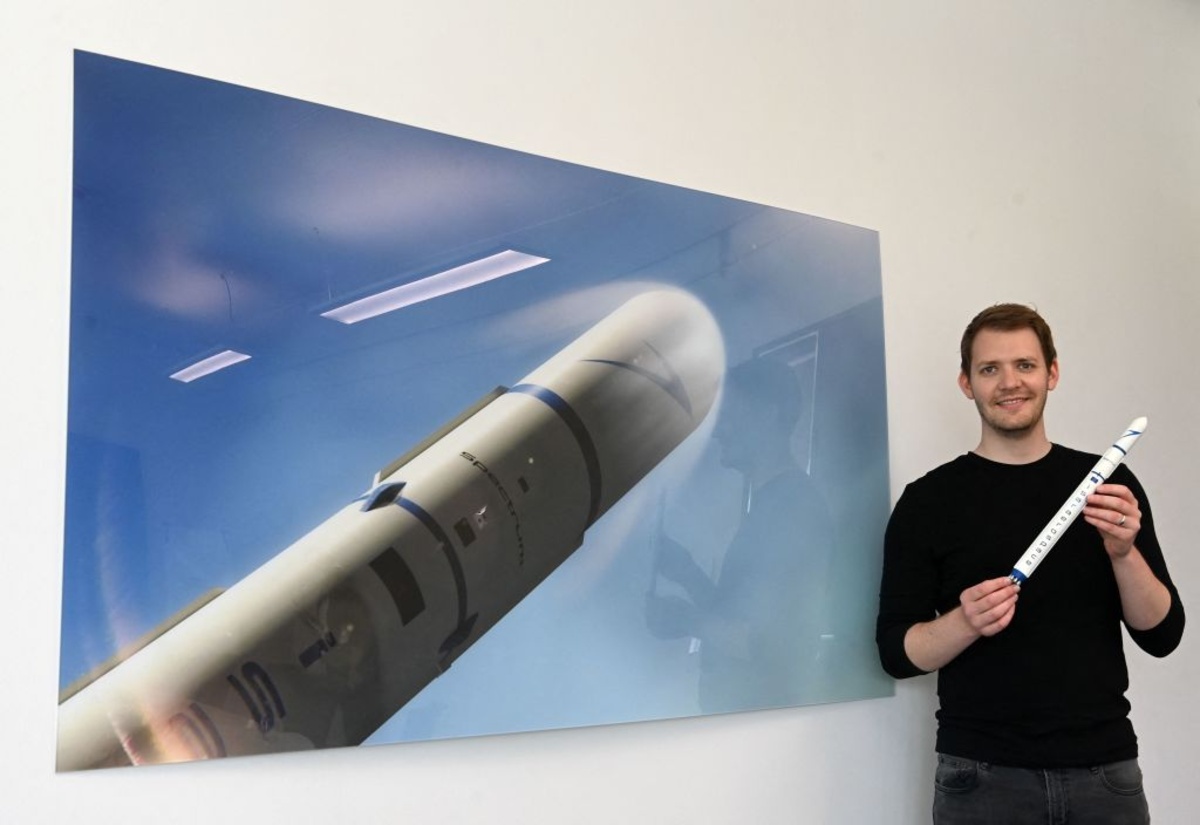
Andøya Spaceport has officially confirmed that the German company Isar Aerospace plans to launch its Spectrum rocket between September 4 and 10, 2026. This attempt follows a scrubbed launch in June 2026 due to technical issues and a failed first flight in March where control was lost. The success of this mission is crucial as it supports three binding contracts worth over $340 million, including an ESA European Launcher Challenge award and a Planet Labs satellite delivery.
Rocket Lab Completes 85th Mission for ESA
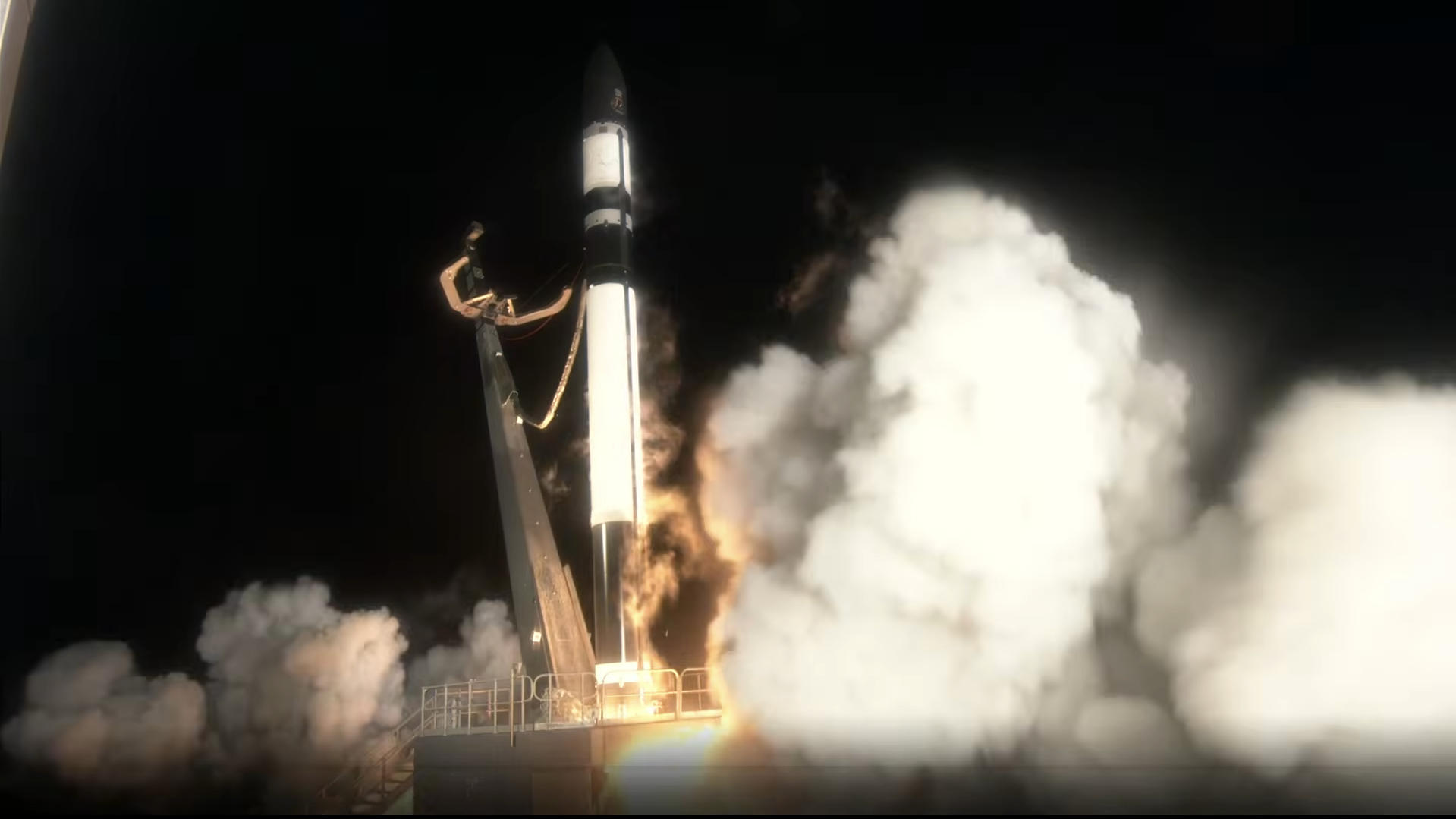
Rocket Lab successfully launched its 85th Electron mission on August 20, 2026, marking the company’s first dedicated launch for the European Space Agency (ESA). The mission, named "The Lightning God Defends," deployed a Japanese Earth-observing SAR satellite for iQPS, continuing Rocket Lab’s high cadence from Mahia, New Zealand. This success reinforces Rocket Lab’s position as the leading micro-launcher provider, having reached its 50th launch faster than any other commercially developed orbital vehicle.
Space One Identifies Static Electricity as Cause of KAIROS 3 Failure
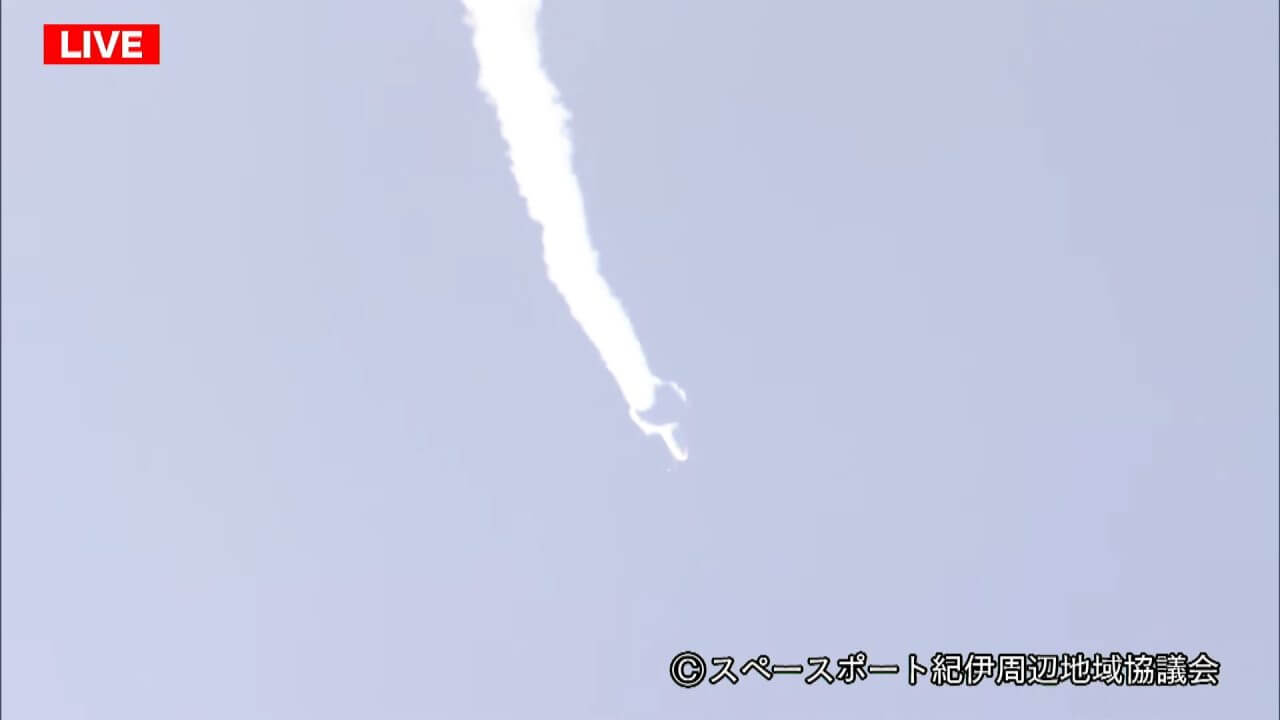
Japanese startup Space One announced on August 30, 2026, that static electricity accumulation likely caused the flight termination of its KAIROS 3 rocket in March 2026. The static discharge disrupted communications within the rocket’s autonomous flight safety system, triggering an unexpected self-destruct mechanism. The company plans to implement electrostatic removal measures before attempting the fourth launch, aiming to recover from three consecutive failures.
Innospace Suborbital 'Sebit' Flight Terminated
South Korean startup Innospace’s suborbital rocket "Sebit" was destroyed shortly after launch from Brazil’s Alcântara base in late August 2026. The rocket strayed off course minutes after liftoff and was terminated in a safety zone with no injuries reported. This failure follows Innospace’s previous setback with its orbital Hanbit-Nano rocket, raising questions about the reliability of South Korea’s private launch sector ahead of upcoming government-backed missions.
Local view
Norway: Local police in Andøya have begun preparing traffic restrictions ("ferdselsforbud") in anticipation of the upcoming Isar Aerospace launch window starting September 4, reflecting the community's awareness of the high-stakes event.
Japan: Media outlets like Yomiuri Shimbun and Mainichi Shimbun have focused heavily on the technical specifics of the KAIROS 3 failure, highlighting the vulnerability of autonomous safety systems to environmental factors like static electricity.
South Korea: Reports from Kyung Hyang Shinmun highlighted that final technical checks for the Sebit rocket were completed just days before the failed flight, underscoring the rapid turnaround pressure on domestic private space companies.
Context & numbers
- Market Value: The global small launch vehicle market was valued at $2.1 billion in 2024 and is projected to reach $5.4 billion by 2033, growing at a CAGR of 10.9%.
- Launch Costs: Dedicated small satellite launches remain expensive, with costs ranging from $10,000 to $25,000 per kilogram, significantly higher than rideshare options on larger rockets like Falcon 9.
- Korea’s Budget: South Korea’s Korea Aerospace Administration (KAA) has proposed a 2027 budget of 1.6491 trillion won, with 75 billion won newly allocated for Nuri (KSLV-II) follow-up launches and next-generation launcher development.
On the radar
- Isar Aerospace Spectrum: Watch for the launch window opening on September 4, 2026, from Andøya Spaceport. Success here is critical for maintaining ESA contract momentum.
- Nuri (KSLV-II) 5th Launch: South Korea’s space agency is conducting comprehensive safety control training this week in preparation for the 5th Nuri launch scheduled for October 7, 2026.
- Maritime Launch & Isar Agreement: A deadline extension for the facilities usage agreement supporting orbital launches from Canada was noted in recent stock news, indicating continued progress on North American expansion for European launchers.
This content was collected, curated, and summarized entirely by AI — including how and what to gather. It may contain inaccuracies. Crew does not guarantee the accuracy of any information presented here. Always verify facts on your own before acting on them. Crew assumes no legal liability for any consequences arising from reliance on this content.
Powered by
