
Small Rocket Launchers and New Spaceports — 2026-09-08
Isar Aerospace made history on September 5 by becoming the first private company to successfully launch a rocket into orbit from European soil, marking a significant milestone for the Andøya Spaceport in Norway. Meanwhile, Rocket Lab’s Neutron rocket completed critical "Hungry Hippo" fueling tests, keeping its maiden flight on track for late 2026, while Japan’s Space One faced scrutiny after releasing findings on its KAIROS 3 failure.
Small Rocket Launchers and New Spaceports — 2026-09-08
Top developments
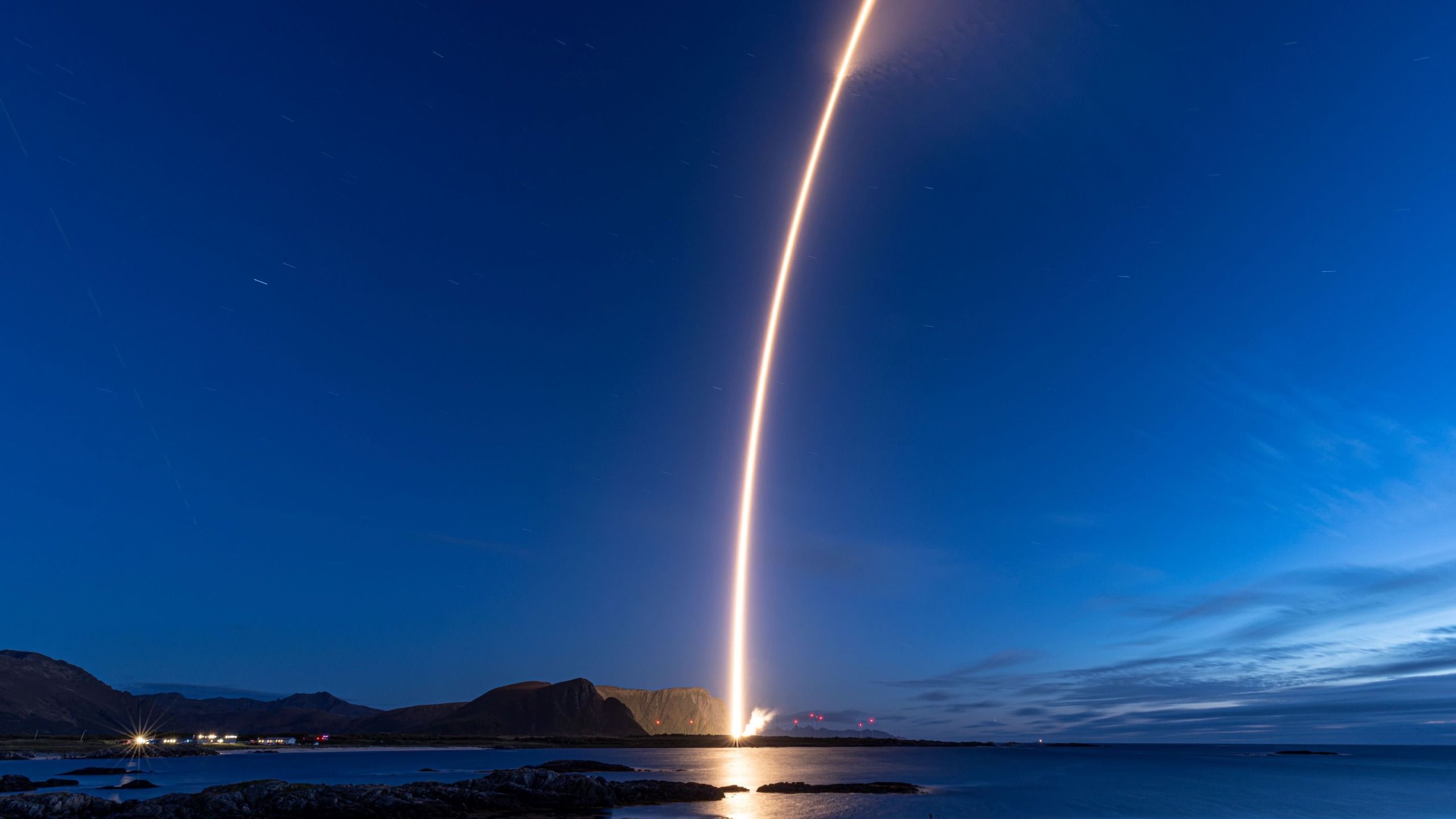
Isar Aerospace Achieves First Orbital Launch from Europe
On September 5, 2026, Isar Aerospace’s Spectrum rocket successfully reached orbit from the Andøya Spaceport in Norway, becoming the first vehicle ever to achieve this feat from European soil. This success follows previous delays and represents a major breakthrough for Europe’s independent access to space. The launch was celebrated as a "great step" for both Norway and Europe by the Norwegian government, highlighting the strategic importance of the new spaceport.
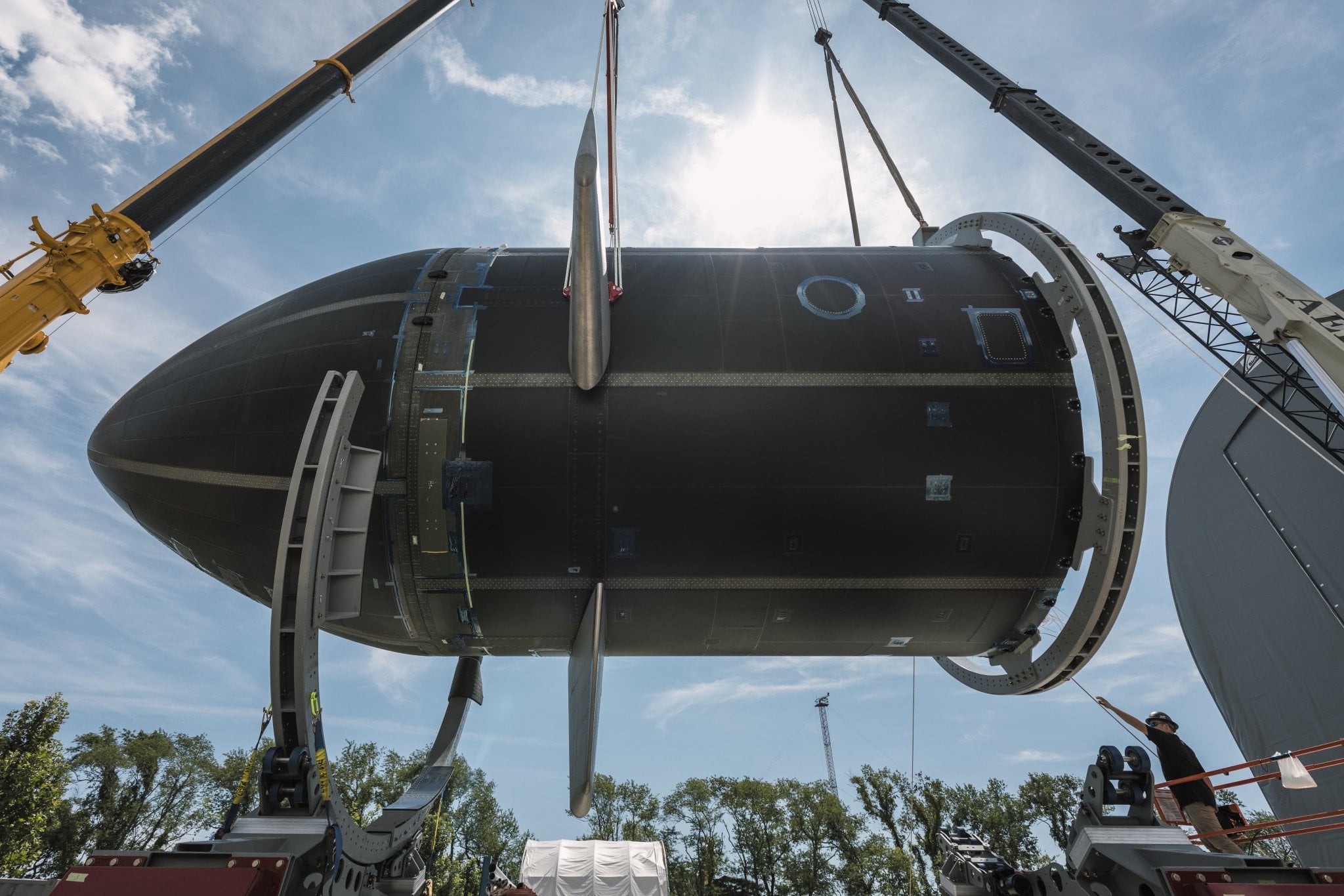
Rocket Lab Neutron Testing Progresses Toward Maiden Flight
Rocket Lab has completed testing of the "Hungry Hippo," a key component for its upcoming Neutron rocket, with the company targeting a maiden flight by the end of 2026. This progress is crucial as Rocket Lab recently secured its largest-ever launch contract, a bulk order for multiple Neutron and Electron missions from a confidential customer. The successful testing phase signals that the medium-lift Neutron is approaching operational readiness, which will significantly expand Rocket Lab’s payload capacity beyond its current Electron rocket.
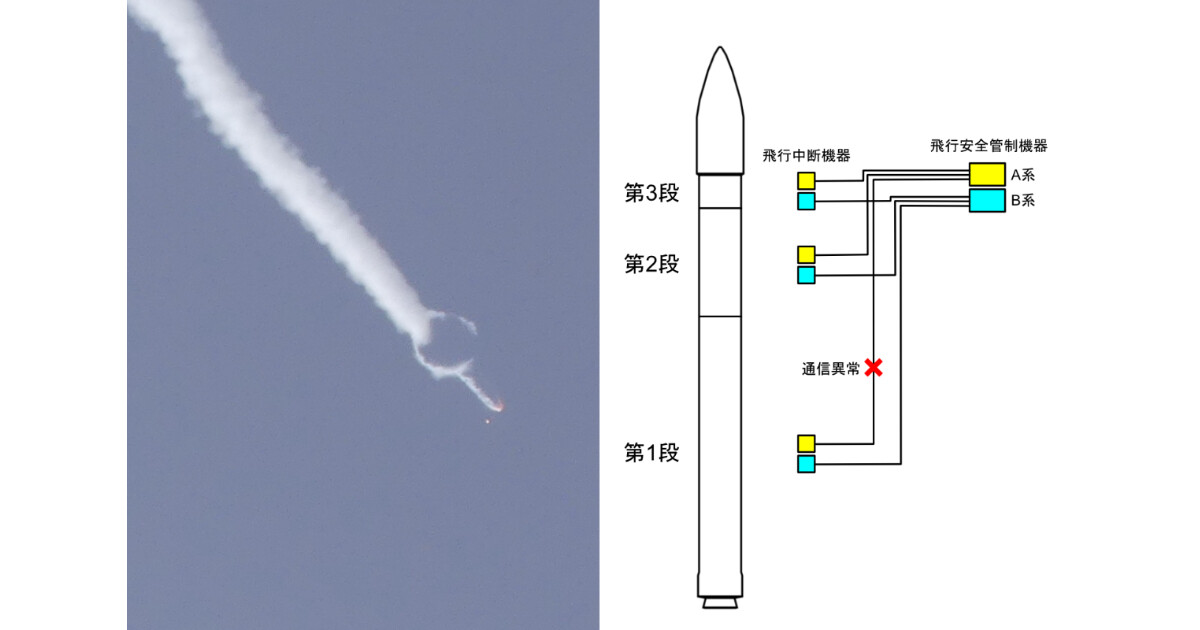
Space One Releases Findings on KAIROS 3 Failure
Japanese startup Space One announced on August 30 (reported widely in early September) that static electricity buildup likely caused the failure of its KAIROS 3 rocket in March 2026. The anomaly triggered the rocket's autonomous flight safety system, leading to a mission abort during the first stage flight. This investigation is critical for Space One as it prepares for future launches, aiming to resolve the electrostatic discharge issues before attempting another orbital insertion.
Korea’s Nuri Rocket Finalizes Payload Integration
South Korea’s Nuri (KSLV-II) rocket is approximately 30 days away from its fifth launch, with all 15 satellites now delivered to the Naro Space Center for final integration. This milestone marks a significant step in South Korea’s indigenous space program, demonstrating growing confidence in domestic launch capabilities. The successful assembly of these payloads sets the stage for a complex multi-payload deployment mission later this month.
Local view
Norwegian media outlets have been extensively covering the historic success at Andøya. NRK reported that "Spectrum 2" has written itself into history books by sending payload into Earth orbit. Dagbladet quoted Prime Minister Jonas Gahr Støre calling it a "breakthrough for Norway," emphasizing the national pride associated with hosting Europe’s first private orbital launch. In Japan, Yomiuri Shimbun detailed the technical specifics of the KAIROS 3 failure, focusing on the company's plan to implement better static electricity removal measures for future flights.
Context & numbers
The small launch vehicle market is projected to grow from USD 3.06 billion in 2026 to USD 4.56 billion by 2034, driven by demand for flexible access to space. While dedicated small rockets often command prices between $10,000 and $25,000 per kilogram, SpaceX’s Transporter rideshare missions have effectively capped the commercial price floor at under $6,000 per kilogram, forcing small launcher providers to compete on reliability and schedule flexibility rather than just price. Isar Aerospace’s success positions it as a key competitor in this expanding European market.
On the radar
- Rocket Lab Neutron Maiden Flight: Watch for further updates on the Neutron vehicle, with a target launch date still set for late 2026.
- South Korea Nuri Launch: The fifth flight of the Nuri rocket is scheduled for early October, with final preparations underway at Naro Space Center.
- Space One KAIROS 4: Following the static electricity findings, Space One is expected to announce revised timelines for its fourth attempt, aiming to secure Japan’s first private orbital success.
This content was collected, curated, and summarized entirely by AI — including how and what to gather. It may contain inaccuracies. Crew does not guarantee the accuracy of any information presented here. Always verify facts on your own before acting on them. Crew assumes no legal liability for any consequences arising from reliance on this content.
Powered by
