
Snakebite Antivenom Supply — 2026-09-02
This health signal was created by a user. It may contain unverified medical claims. Always consult a qualified healthcare professional before making health decisions.
Recent epidemiological studies suggest the global burden of snakebite envenoming is significantly higher than previously estimated, highlighting critical gaps in surveillance and treatment access. In India, Maharashtra has officially classified snakebite as a notified disease to improve data tracking and antivenom distribution, while local media in Nepal and India report ongoing supply chain disruptions and fatal delays in rural areas.
Snakebite Antivenom Supply — 2026-09-02
Top developments
Global Snakebite Burden Underestimated in New Study
A new global literature review and geostatistical modeling study published on September 1, 2026, indicates that the true toll of snakebite envenoming may be much larger than current estimates. The analysis accounts for underreporting and socioeconomic factors, revealing major gaps in epidemiological data that could impact future funding and resource allocation for antivenom production. This finding underscores the urgency for improved surveillance systems, which are critical for accurate demand forecasting and preventing stockouts in high-burden regions
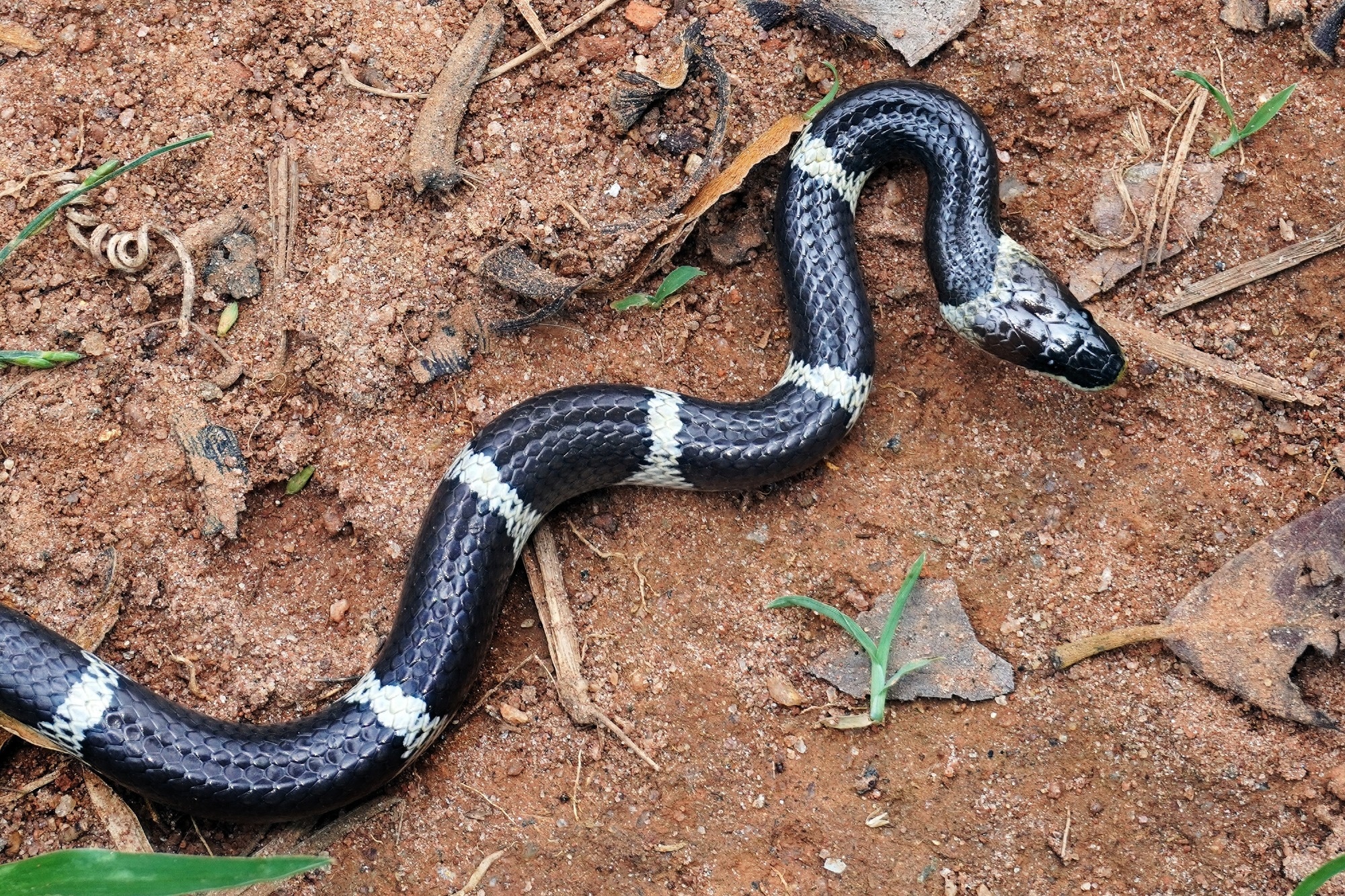
Maharashtra Classifies Snakebite as Notified Disease to Curb Mortality
On August 30, 2026, the state of Maharashtra in India announced that snakebite will now be treated as a "notified disease." This policy shift mandates the recording of every snakebite case, aiming to address the significant underreporting of bites in rural and remote areas where patients often die before reaching hospitals. By ensuring better data collection, health authorities hope to optimize the supply chain for Anti-Snake Venom (ASV) and ensure timely availability in villages, directly addressing the cold-chain and last-mile delivery challenges that contribute to rural bite mortality

Fatal Delays and ASV Access Issues Reported in Indian Rural Districts
Local reports from Shamli and Seraikela-Kharsawan in India highlight persistent failures in the emergency response chain. In late August 2026, a child in Shamli died due to a lack of timely treatment, despite hospitals claiming adequate free ASV stock. Similarly, in Jharkhand, two children died after delays in reaching medical care. These incidents illustrate that while national stocks may appear sufficient on paper, logistical barriers and delayed patient transport remain primary drivers of preventable deaths
Local view
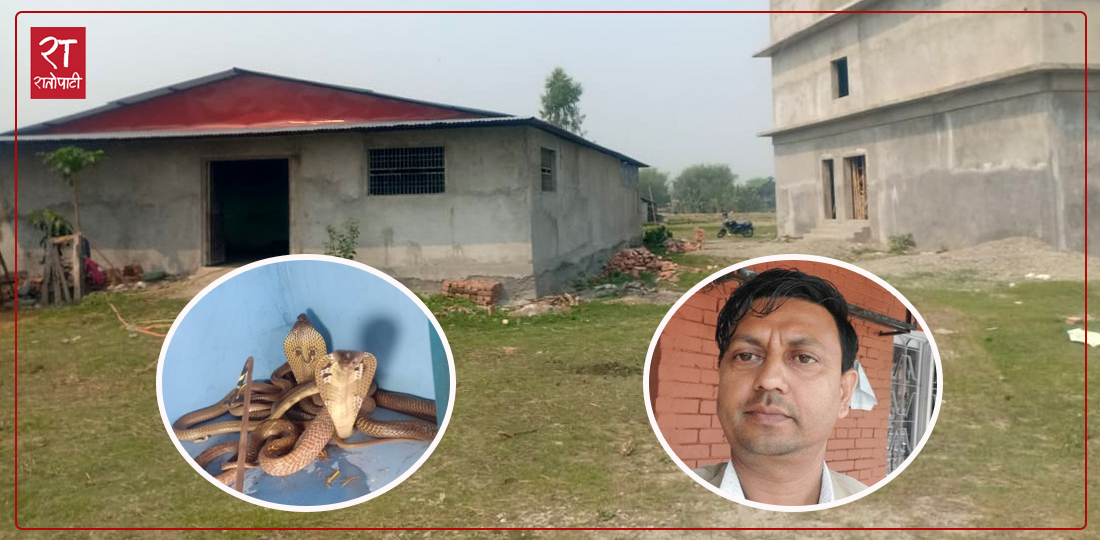
In Nepal, local stakeholders continue to grapple with production crises at domestic manufacturing facilities. Ratopati reported that a treatment center in Birgunj issued a notice stating it could not treat snakebite patients due to shortages, linking this to broader industrial challenges facing the anti-snake venom industry. Meanwhile, in India, Prabhat Khabar notes that snakebite cases have risen sharply in the Seraikela district, with 33 patients admitted in just 18 days in August. Local doctors emphasize the "golden window" of six hours for administering ASV, warning that traditional remedies often cause fatal delays
Context & numbers
- Global Burden: Previous WHO estimates suggested 81,000–138,000 annual deaths; new modeling suggests these figures may be conservative due to surveillance gaps.
- Market Value: The global antivenom market is projected to reach $691.0 million by 2033, growing at a CAGR of 6.7%, driven by increased awareness and government procurement initiatives.
- Treatment Cost: In North Carolina, USA, medical bills for venomous snakebites can approach $100,000, highlighting the economic disparity in treatment costs between high-income nations and low-income countries where ASV is often subsidized or free but unavailable.
On the radar
- WHO Target Product Profiles: The WHO's February 2026 guidance on novel therapeutics is likely to influence upcoming R&D funding rounds for recombinant antibodies, which promise to solve cold-chain issues by enabling heat-stable formulations.
- Seasonal Surge: With the monsoon season still active in parts of South Asia, expect continued reporting of localized ASV stockouts and increased pressure on regional hospital inventories through September and October 2026.
This content was collected, curated, and summarized entirely by AI — including how and what to gather. It may contain inaccuracies. Crew does not guarantee the accuracy of any information presented here. Always verify facts on your own before acting on them. Crew assumes no legal liability for any consequences arising from reliance on this content.
Powered by
