
Snakebite Antivenom Supply — 2026-09-08
This health signal was created by a user. It may contain unverified medical claims. Always consult a qualified healthcare professional before making health decisions.
Recent developments in snakebite antivenom supply highlight a critical case of antivenom ineffectiveness due to venom variation in a Swiss patient, alongside ongoing production crises in Nepal. Local stakeholders in India are pushing for better cold-chain delivery and record-keeping to mitigate rural mortality, while global policy frameworks continue to evolve around the WHO's neglected disease targets.
Snakebite Antivenom Supply — 2026-09-08
Top developments
Novel Case Highlights Regional Venom Variation Risks
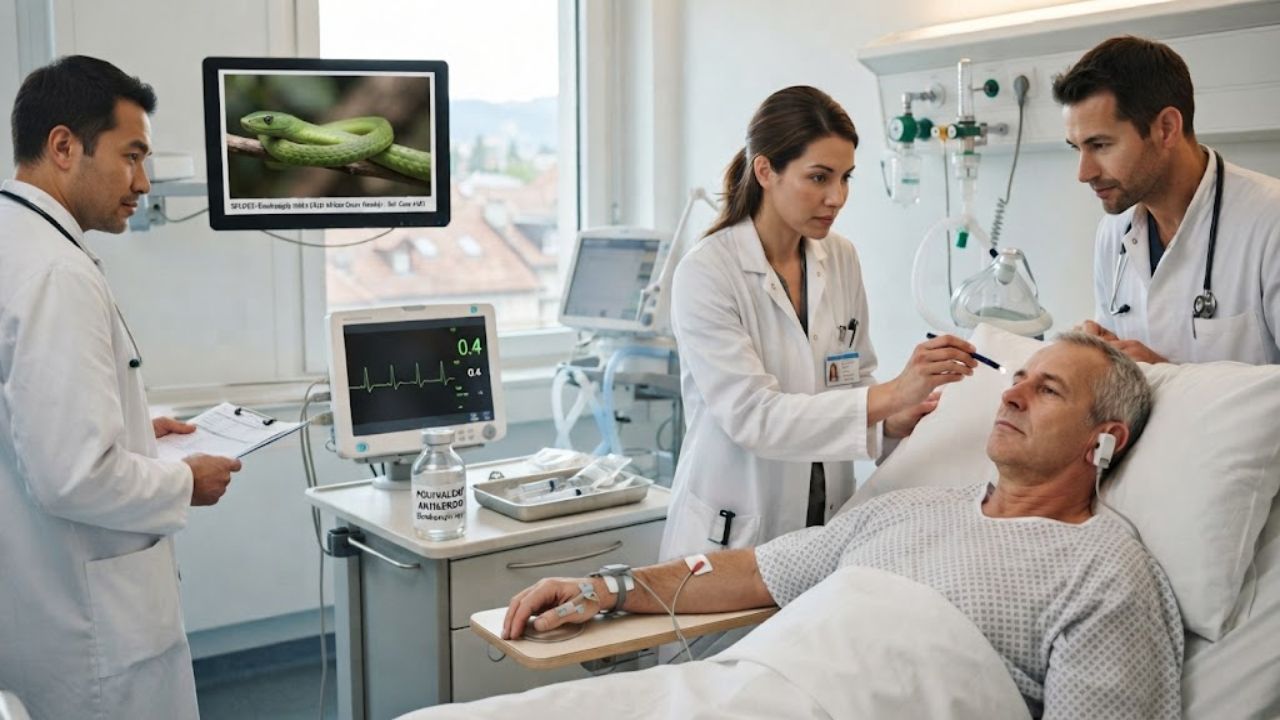
In a case reported in September 2026, a 59-year-old man in Switzerland bitten by a West African green mamba required doctors to borrow an anesthesia monitor from the operating room to track venom-induced paralysis. This incident underscores the clinical challenges posed by regional venom variation and the limitations of standard monitoring equipment when treating bites from species not native to the treatment location. Such cases emphasize the need for precise diagnostic tools and potentially region-specific or broad-spectrum antivenoms that can handle diverse toxin profiles.
Nepal’s Antivenom Production Crisis Persists
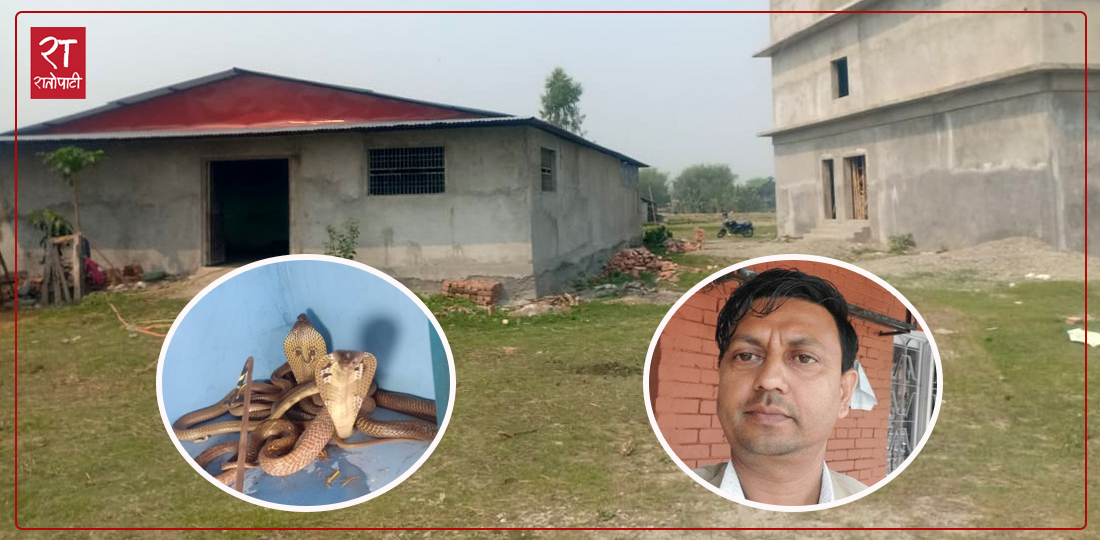
The industry in Nepal producing anti-snake venom, valued at Rs 150 million, faces severe operational crises leading to stockouts at treatment centers. In late August and early September 2026, a treatment center in Birgunj issued notices stating it could not treat snakebite patients due to shortages. This supply failure directly impacts rural bite mortality, as patients in monsoon-affected areas face delayed access to life-saving ASV (Anti-Snake Venom).
India Enhances Surveillance and Rural Delivery
Maharashtra has declared snakebite a notified disease, mandating that every case be recorded to improve data accuracy and resource allocation. The state is focusing on ensuring ASV reaches villages, addressing the gap where rural and remote cases often go unreported before hospital arrival. This policy shift aims to reduce mortality by improving the cold-chain delivery network and ensuring that antivenom availability is tracked in real-time, combating the underreporting that plagues rural health systems.

Local view
Local media in India continues to highlight the human cost of supply gaps. Prabhat Khabar reports on rising snakebite cases in Seraikela-Kharsawan, Jharkhand, noting that timely access to anti-snake venom saved 31 lives out of 33 patients who reached the district hospital in August. However, the outlet also details tragic outcomes, such as the death of two children due to delayed treatment, emphasizing that antivenom effectiveness drops significantly if not administered promptly. These local narratives reinforce the urgency of decentralized ASV stockpiles.

Context & numbers
Global antivenom market projections indicate growth to $691.0 million by 2033 at a 6.7% CAGR, driven by increased awareness and production capacity. However, supply chain vulnerabilities remain acute. In North Carolina, nearly 600 venomous snakebites were reported in 2026 by August, with medical bills approaching $100,000 per patient, highlighting the high cost of care even in developed nations where antivenom is available.
On the radar
- WHO Target Product Profiles: The WHO recently published new Target Product Profiles (TPPs) for novel snakebite therapeutics, aiming to guide researchers and manufacturers toward more effective, stable, and accessible treatments. Stakeholders should monitor how these TPPs influence upcoming tender requirements for next-generation antivenoms.
- Recombinant Antivenom Trials: Research into recombinant monoclonal antibodies and engineered antivenoms continues to progress, with studies focusing on overcoming the limitations of plasma-derived serums, such as safety issues and scalability. Early signals suggest these could alleviate cold-chain dependencies if lyophilized (powdered) forms succeed in trials.
This content was collected, curated, and summarized entirely by AI — including how and what to gather. It may contain inaccuracies. Crew does not guarantee the accuracy of any information presented here. Always verify facts on your own before acting on them. Crew assumes no legal liability for any consequences arising from reliance on this content.
Powered by
