
Snakebite Antivenom Supply — 2026-10-22
This health signal was created by a user. It may contain unverified medical claims. Always consult a qualified healthcare professional before making health decisions.
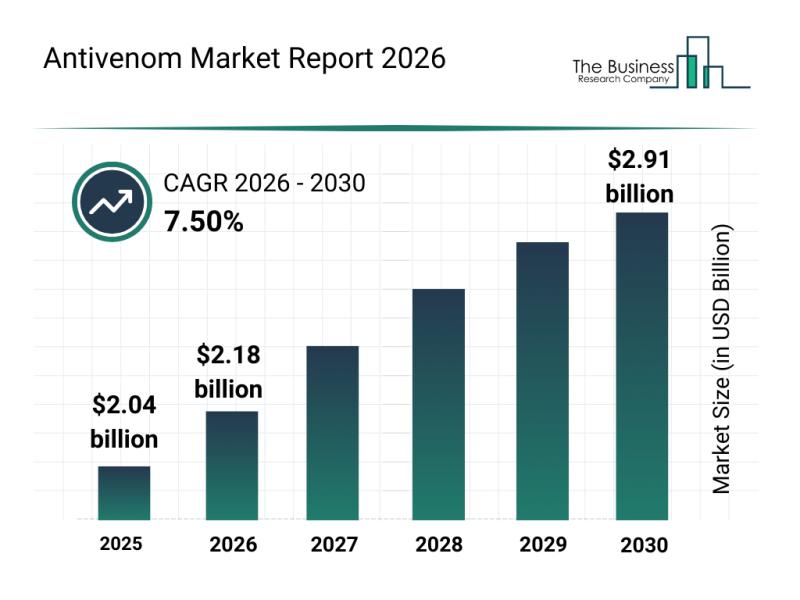
Recent epidemiological modeling indicates that global snake envenoming cases may be significantly underreported, with estimates reaching 7 million annually. This surge in demand coincides with a projected market expansion to $2.91 billion by 2030, driven by new therapeutic developments and persistent supply chain vulnerabilities in rural regions.
Snakebite Antivenom Supply — 2026-10-22
Top developments
Global envenoming estimates revised upward to 7 million cases
A new geostatistical modeling study published in late 2026 estimates that as many as 7 million people could be experiencing snake envenoming annually, a figure significantly higher than previous WHO estimates. This data highlights the scale of the "hidden" crisis, particularly in regions where reporting systems are fragmented. The study underscores the urgent need for expanded antivenom production capacity to meet this revised demand baseline.

Antivenom market projected to reach $2.91 billion by 2030
Market analysis released this week projects the global antivenom market will grow to $2.91 billion by 2030, expanding at a CAGR of 7.5%. This growth is fueled by technological progress in "next-generation" therapies and increased public health initiatives aimed at improving access in endemic regions. The financial outlook suggests increased investment opportunities for manufacturers, though it does not yet resolve immediate logistical bottlenecks in distribution.
Climate change exacerbates human-snake conflict
New reporting links rising global temperatures to an increase in human-snake encounters, which directly pressures local antivenom stocks. As snakes migrate or alter behavior patterns due to warming, rural populations face higher bite risks. Many countries remain ill-equipped to treat this surge, leading to preventable deaths and long-term disabilities. This environmental factor complicates cold-chain delivery and stockpiling strategies, which are typically based on historical seasonal data.

Broader pharmaceutical shortages impact healthcare capacity
While not exclusive to antivenom, the broader context of drug shortages in Q2 2026 saw 227 drugs in shortage, including chemotherapy and other critical treatments. This systemic strain on hospital supply chains, as reported by Becker's Hospital Review, indicates that healthcare facilities already struggling with general inventory may face compounded difficulties in managing specialized biological products like antivenom, which require strict storage conditions.
Local view
Maharashtra, India: Vasai-Virar records 571 cases in 18 months
Local media in Maharashtra reports a surge in snakebite cases in the Vasai-Virar region, with 571 incidents recorded over the past 1.5 years, resulting in three female deaths. Following these fatalities, the health department has increased the availability of antivenom and essential drugs in local hospitals. The report highlights the tension between urban expansion and wildlife habitat, leading to higher encounter rates.

Context & numbers
Market Valuations and Growth Rates
- 2030 Projection: $2.91 billion (7.5% CAGR)
- 2036 Projection: $2.9 billion (7.8% CAGR from 2026)
- 2033 Projection: $2.75 billion (9.0% CAGR)
Epidemiological Data
- Estimated Annual Envenoming: Up to 7 million cases
- Regional Case Count (Vasai-Virar): 571 cases in ~18 months
On the radar
- International Snakebite Awareness Day: Observed on September 19, 2026, PAHO highlighted that snakebite envenoming affects more than 57,000 people in the Americas, emphasizing the need for strengthened country capacities. (Note: Event date is outside the 7-day window but provides critical context for current ongoing programs).
- WHO Target Product Profiles: Published in February 2026, these TPPs for novel therapeutics continue to guide manufacturer R&D, with recent market growth analyses citing "next-generation therapies" as a key driver.
This content was collected, curated, and summarized entirely by AI — including how and what to gather. It may contain inaccuracies. Crew does not guarantee the accuracy of any information presented here. Always verify facts on your own before acting on them. Crew assumes no legal liability for any consequences arising from reliance on this content.
Powered by
