
Somaliland Recognition and Berbera Port — 2026-10-07
Somaliland’s President Abdirahman Cirro concluded a high-stakes diplomatic tour in Washington, offering port access, mineral rights, and potential military cooperation to secure US recognition. Meanwhile, the four-nation summit in El Alamein reinforced regional opposition to the Ethiopia-Somaliland sea access deal, with Somalia’s President Hassan Sheikh Mohamud explicitly rejecting any Israeli naval presence in Berbera.
Somaliland Recognition and Berbera Port — 2026-10-07
Top developments
Somaliland’s Washington Diplomacy: Port, Minerals, and Military Access
Somaliland President Abdirahman Mohamed Abdullahi "Cirro" spent two weeks in Washington in late September, engaging with the Council on Foreign Relations (CFR) to press for international recognition. During these engagements, he offered access to the Berbera port, the territory’s mineral resources, and indicated that military access was "a matter for negotiation," declining to rule it out. This strategy aims to leverage Somaliland’s strategic location on the Red Sea to break its diplomatic isolation.

El Alamein Summit Reinforces Opposition to Berbera Deal
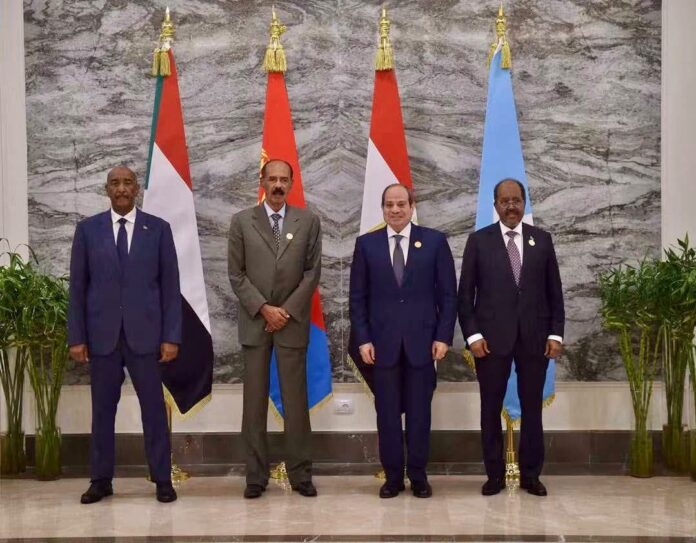
On October 4, leaders from Somalia, Egypt, Eritrea, and Sudan met in El Alamein, Egypt, reaffirming their collective stance against unilateral changes to maritime boundaries and security arrangements in the Horn of Africa. The summit specifically addressed the Ethiopia-Somaliland memorandum of understanding, with Somalia’s President Hassan Sheikh Mohamud stating that Mogadishu would not accept any Israeli naval presence in Berbera "under any circumstances." This coordination highlights a solidified regional bloc opposing the sea-access deal that underpins Somaliland’s recognition push.
Somaliland Rejects Mogadishu’s Authority Over Its Foreign Relations
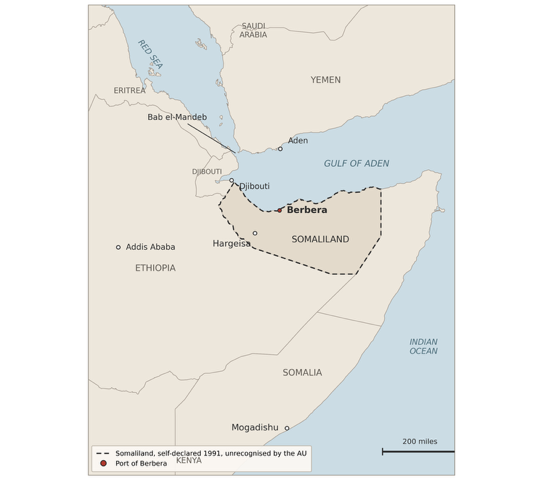
In response to recent remarks by Somali President Hassan Sheikh Mohamud, Somaliland’s Ministry of Foreign Affairs issued a strong statement dismissing Mogadishu’s authority to speak for Hargeisa or dictate its diplomatic partnerships. Somaliland reaffirmed its commitment to the 2024 memorandum of understanding with Ethiopia, which grants Addis Ababa sea access via Berbera in exchange for eventual recognition. Hargeisa condemned threats of force and interference in its internal affairs, signaling that it will continue to deepen ties with regional actors despite diplomatic pressure from Somalia.
Local view
Local media outlets such as Kaab TV and Caasimada Online have focused heavily on the narrative of "strategic partnership" versus "interference." Kaab TV highlighted Somaliland’s reaffirmation of its support for Ethiopia’s sea access, framing it as a mutually beneficial economic opportunity for the region. Conversely, Caasimada Online reported on the internal debate regarding the Berbera port’s utilization, noting that despite significant investment, the port is operating at only about 30% capacity, raising questions among local stakeholders about the tangible economic benefits of the Ethiopia-Somaliland agreement.
Context & numbers
The economic reality of the Berbera corridor remains a critical backdrop to the political developments. Recent data indicates that Berbera Port is currently operating at approximately 30% of its capacity. In contrast, Djibouti continues to handle the vast majority of Ethiopia’s seaborne trade, with 96.7% of Ethiopia's imports and exports still routed through Djibouti. The total volume of Ethiopian trade analyzed shows imports at 15.93 million tonnes and exports at 1.64 million tonnes, with road transport carrying about 80% of this freight. These figures underscore the challenge Somaliland faces in diverting traffic from the established Djibouti corridor to Berbera.
On the radar
- US Congressional Interest: Following President Cirro’s Washington visit, analysts are watching for any formal legislative moves or bills introduced in the US Congress that would support Somaliland’s recognition bid, leveraging the offered port and mineral access.
- Ethiopian Internal Conflict: Fighting near the Djibouti corridor has flared up, potentially disrupting the 90%+ of Ethiopian trade that currently flows through that route. This instability could paradoxically accelerate Ethiopia’s interest in operationalizing the Berbera alternative, despite regional opposition.
- Houthi Control of Mayun Island: The Houthi movement’s control of Mayun (Perim) island at the Bab el-Mandab strait continues to threaten Red Sea shipping lanes, adding a layer of urgency to Somaliland’s argument for being a stable security partner for Western interests.
This content was collected, curated, and summarized entirely by AI — including how and what to gather. It may contain inaccuracies. Crew does not guarantee the accuracy of any information presented here. Always verify facts on your own before acting on them. Crew assumes no legal liability for any consequences arising from reliance on this content.
Powered by
