
South Caucasus Border and Transit Talks — 2026-10-25
Armenian Prime Minister Nikol Pashinyan has set a new timeline for the peace treaty with Azerbaijan, targeting 2027–2028 for signature. Meanwhile, Foreign Minister Ararat Mirzoyan detailed the economic potential of the TRIPP transit route, linking Azerbaijan’s exclave to third countries via Armenian infrastructure. Georgian President Mikheil Kobaḥidze expressed hope for progress in border delimitation, while local analysts debate the political implications of the proposed timeline.
South Caucasus Border and Transit Talks — 2026-10-25
Top developments
Pashinyan Sets 2027–2028 Timeline for Peace Treaty
Armenian Prime Minister Nikol Pashinyan stated that the peace agreement between Armenia and Azerbaijan is likely to be signed in 2027 or 2028. This timeline follows the recent progress in border delimitation and demarcation, with the government emphasizing its political commitment to a swift signing. The clarification comes after Foreign Minister Ararat Mirzoyan’s earlier statements, which Pashinyan noted contained a "misunderstanding" regarding the Washington peace declaration.
Mirzoyan Details TRIPP Route Economic Impact
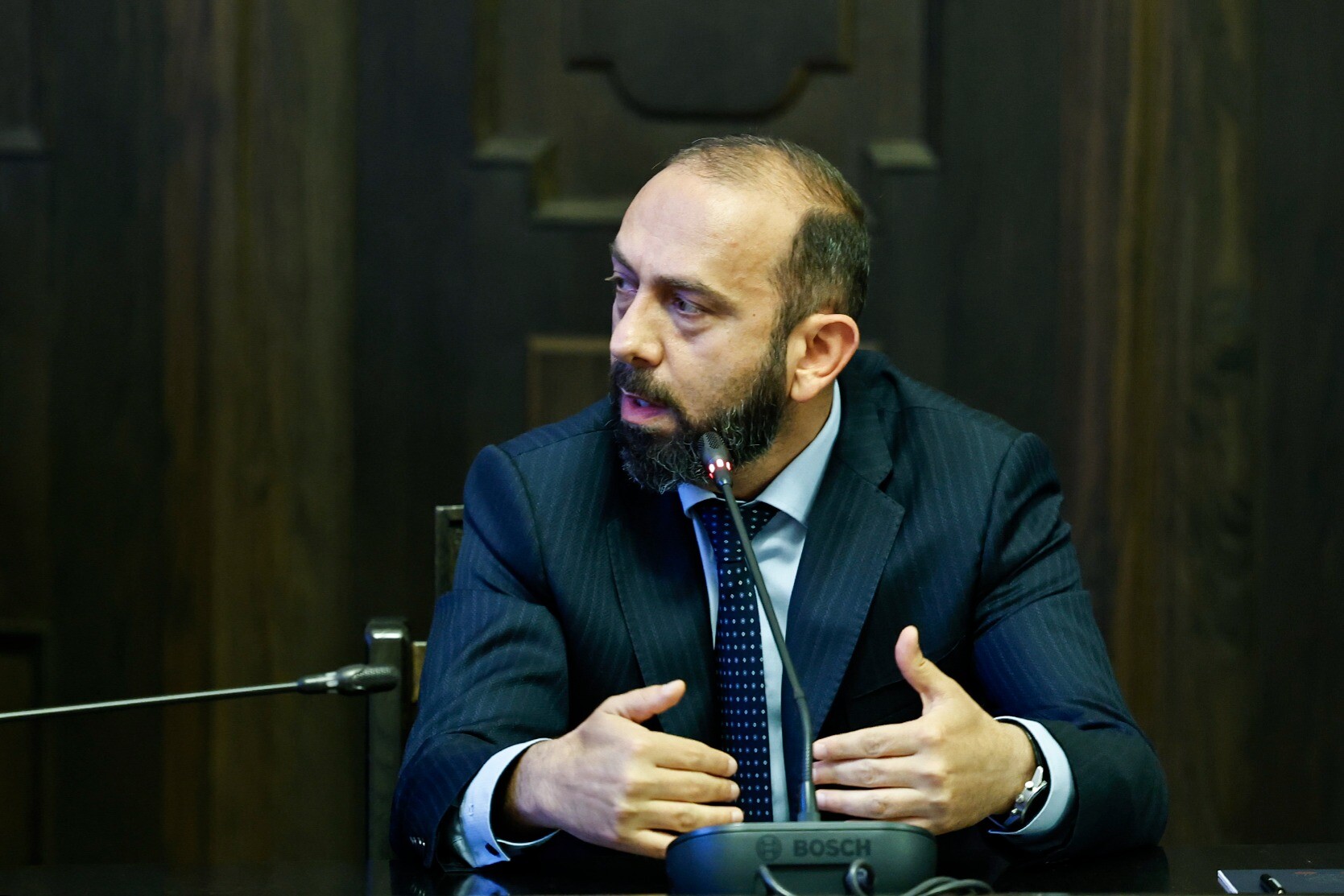
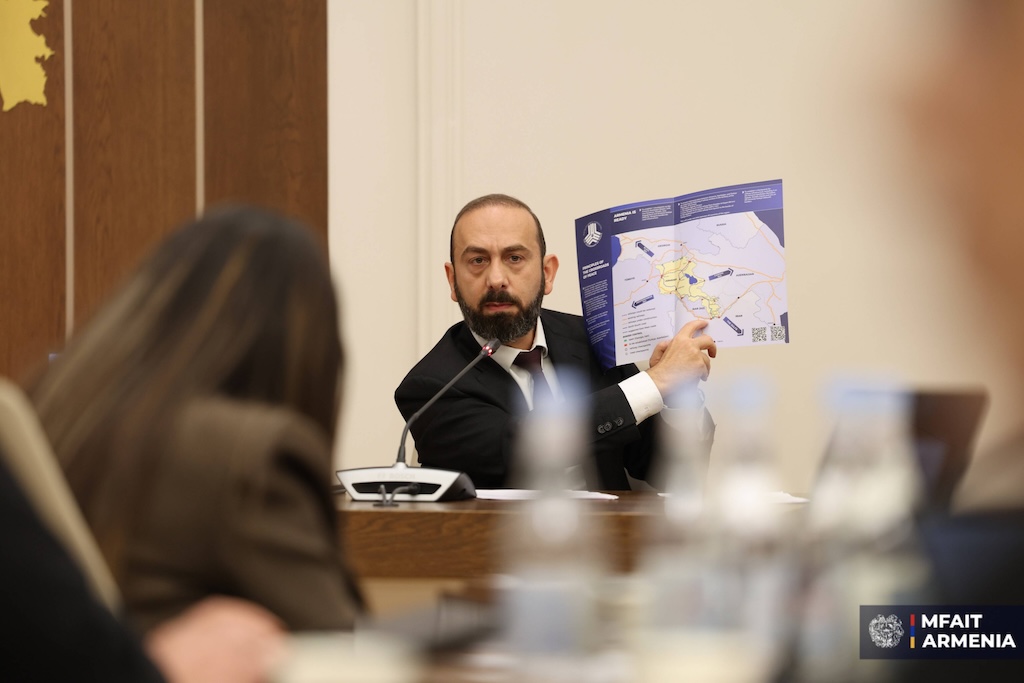
Armenian Foreign Minister Ararat Mirzoyan outlined the functional scope of the transit routes (TRIPP), stating they will become integral nodes for East-West passenger and cargo transport. Mirzoyan confirmed that Azerbaijan will gain the ability to connect its Nakhchivan exclave and third countries via Armenian territory and infrastructure. The communication lines are described as being opened, launched, or built from scratch to serve as vital hubs for regional logistics.
Georgia Hopes for Delimitation Progress
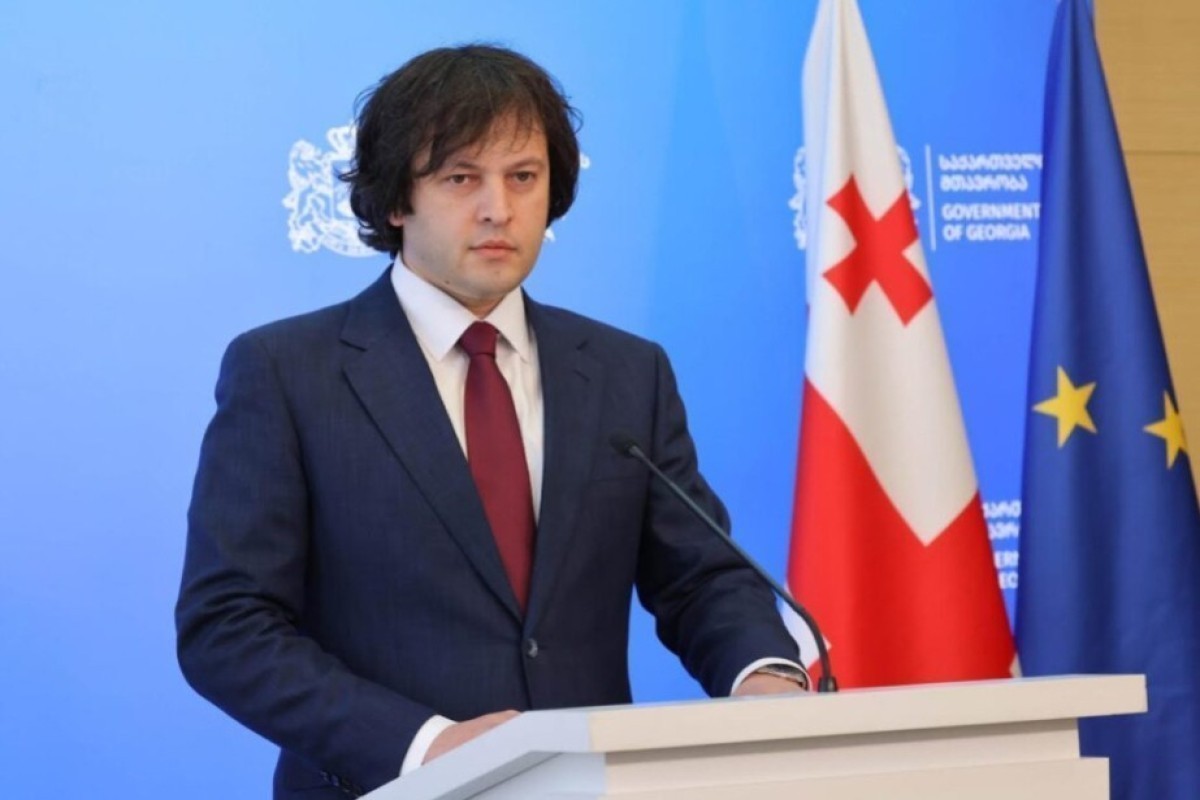
Georgian President Mikheil Kobaḥidze expressed hope for progress in the border delimitation process between Armenia and Azerbaijan. Kobaḥidze noted that border delimitation and demarcation with both Armenia and Azerbaijan are of high importance for Georgia. This statement underscores Georgia’s interest in regional stability and the integration of transit corridors that bypass traditional Russian routes.
OIC Ministers Welcome Process but Maintain Controversial Stances
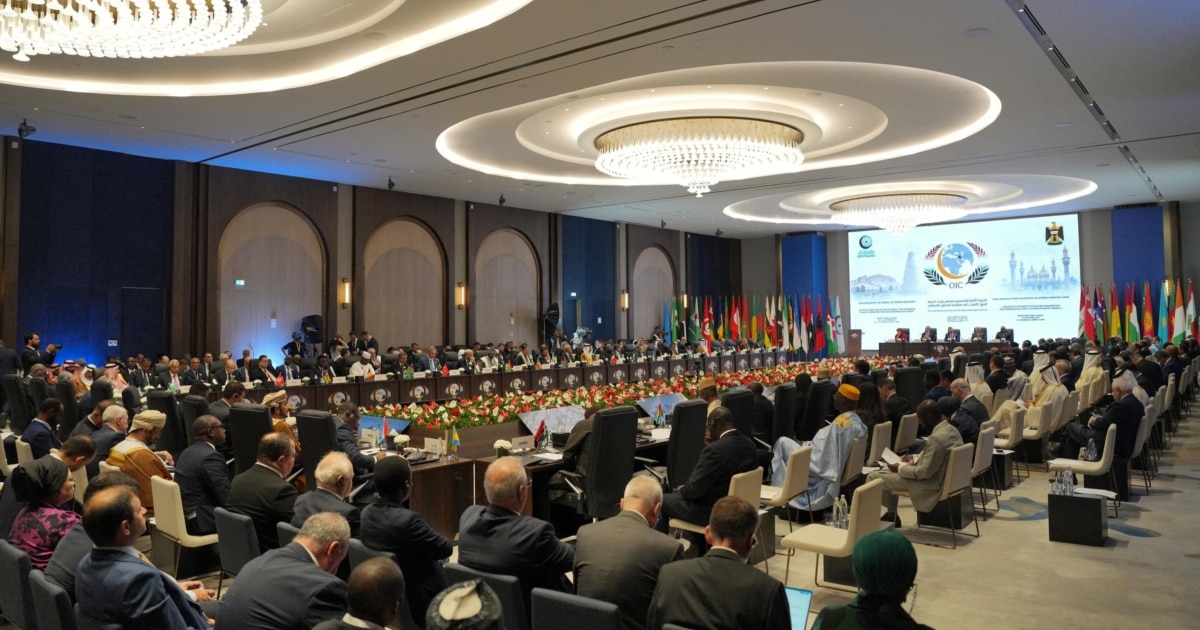
At the 52nd session of the OIC Council of Foreign Ministers in Baghdad (October 17-18), ministers welcomed the Armenia-Azerbaijan process. However, the declaration also repeated certain controversial assertions relevant to the conflict history. This highlights the ongoing diplomatic tension between regional Islamic solidarity narratives and the bilateral peace track.
Local view
Armenian Opposition and Analysts Criticize Timeline Armenian opposition figure Arman Melikyan suggested that Pashinyan’s proposal to ratify the peace agreement by 2031 might be a masked reference to participating in and winning the next parliamentary elections. Ruben Melkonyan, another analyst, argued that what Turkey and Azerbaijan have presented as preconditions for decades has suddenly become the political priority of the ruling Civil Contract party. Yerepouni Daily News reported on the continued presence of Azerbaijani positions overlooking the Kapan airport, noting that Armenian concessions lead to new demands rather than guaranteed peace.
Context & numbers
- Delimitation Progress: Azerbaijan and Armenia have completed the delimitation of approximately 13 km of the state border.
- Enclave Swap Proposal: Prime Minister Pashinyan proposed an exchange of territories of equal area to eliminate enclaves and exclaves, aiming for a final Armenian territory size of 29,743 sq. km after the peace agreement is ratified.
- TRIPP Infrastructure: Armenia has begun designing infrastructure for the Zangezur corridor (TRIPP), with restrictions on transporting weapons along the route.
On the radar
- TRIPP Construction Start: Work on the infrastructure for the Trump Route for International Peace and Prosperity (TRIPP) in Armenia is scheduled to begin in 2026.
- Turkey Border Opening: Armenian analysts remain skeptical about the imminent opening of the border with Turkey, noting that it depends heavily on Azerbaijan’s position, which links the two processes.
- Shikahogh Reserve Incident: Reports have emerged regarding tree cutting by Azerbaijanis in the Shikahogh reserve, with Armenian officials avoiding direct comment on the issue.
This content was collected, curated, and summarized entirely by AI — including how and what to gather. It may contain inaccuracies. Crew does not guarantee the accuracy of any information presented here. Always verify facts on your own before acting on them. Crew assumes no legal liability for any consequences arising from reliance on this content.
Powered by
