
Sri Lanka's Post-Crisis Politics and IMF Conditions — 2026-10-26
Sri Lanka’s recovery faces a critical juncture as the IMF reaffirms its commitment to support the country through the final stages of debt restructuring, while domestic political debates intensify over the necessity of a new IMF programme post-2027. Despite macroeconomic stability and strong GDP growth, economists warn that the recovery is uneven, with household incomes lagging and poverty remaining elevated, prompting urgent calls for structural reforms beyond fiscal austerity.
Sri Lanka's Post-Crisis Politics and IMF Conditions — 2026-10-26
Top developments
Prime Minister Admits IMF Deal Was "Only Option"
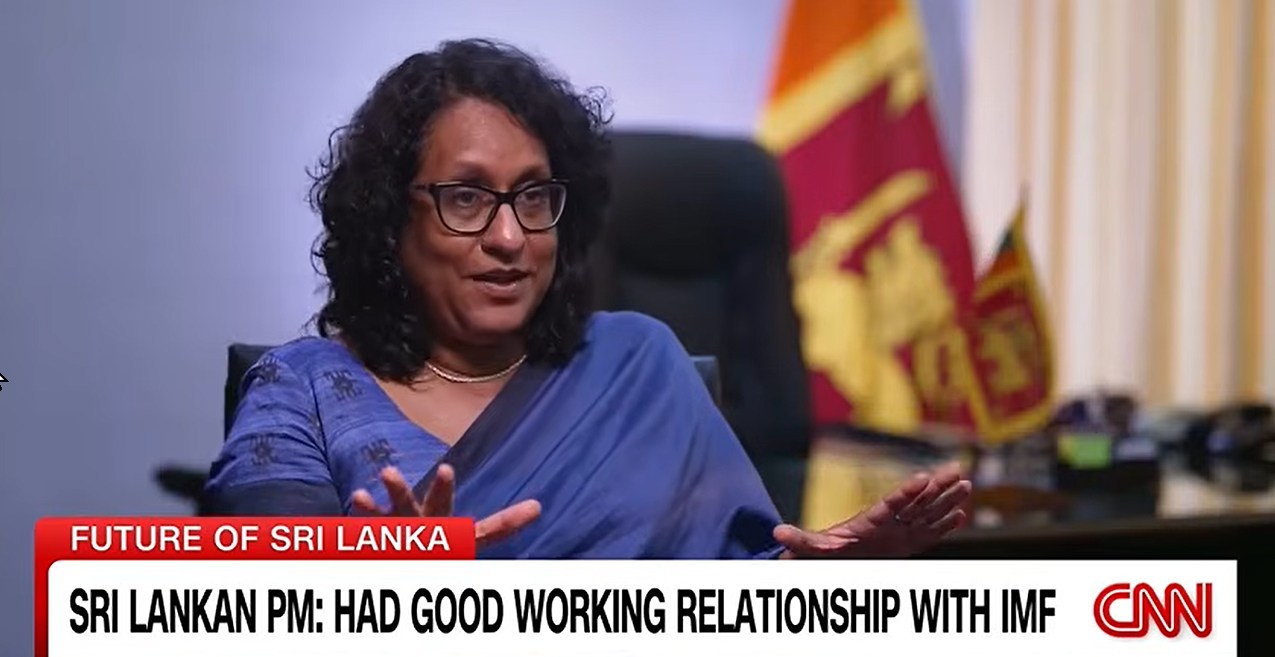
Prime Minister Harini Amarasuriya revealed in a recent interview with CNN that the government entered into the IMF programme not out of ideological alignment, but because there were no viable alternatives at the time. She acknowledged that while her party had previously criticized the IMF, the severity of the economic crisis left the government with no choice but to seek the bailout. This admission highlights the political reality facing the NPP government as it navigates the final years of the Extended Fund Facility (EFF).
Debate Over Post-2027 IMF Programme Intensifies
As the current IMF programme is set to conclude in March 2027, a fierce debate has emerged regarding Sri Lanka’s next steps. Lanka Newspapers reports that the country faces a "defining crossroads," with options ranging from exiting the programme entirely to negotiating a new facility. Economists warn that abandoning the programme without a robust domestic fiscal framework could expose the country to fresh economic risks, while others argue for a transition to self-reliance. The government is currently assessing three potential pathways for its post-IMF economic strategy.
IMF Reaffirms Support as Debt Restructuring Nears Completion
The International Monetary Fund has expressed confidence in Sri Lanka’s economic trajectory, stating it is "ready to support" the country as debt restructuring enters its final stretch. The IMF noted strong fiscal performance and significant improvements in the macroeconomic situation. This endorsement comes as Sri Lanka continues to meet the conditions set by the IMF, including the implementation of the 2027 austerity budget. The IMF’s continued engagement is seen as crucial for maintaining investor confidence and securing the remaining tranches of the bailout.

Economic Recovery Uneven: Households Lag Behind
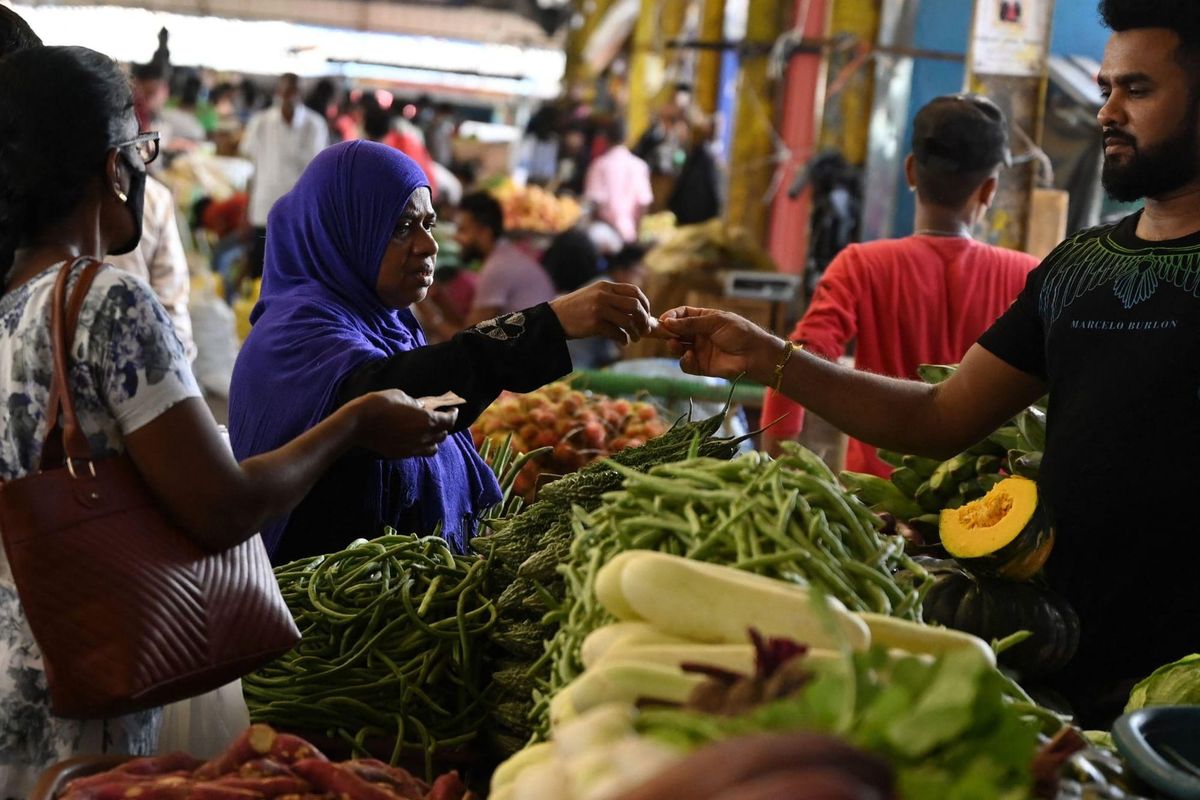
Despite the economy reaching pre-crisis levels, the World Bank and local analysts highlight that the recovery is not reaching all segments of society equally. A report by Jaffna Monitor points out that while GDP growth is strong, poverty rates remain significantly elevated, and household incomes have not kept pace with the broader economic rebound. The unevenness of the recovery poses a political challenge for the government, as the benefits of stabilization are not yet fully felt by the average citizen, particularly in the North and East.
Local view
Sinhala Media: IMF's Strict Oversight on Budget
Sinhala media outlets, particularly Lanka C News, report that the IMF is maintaining tight oversight on the Sri Lankan government’s budget preparations. The IMF has explicitly stated that the disbursement of the next tranche of funds is contingent on the government presenting a budget that strictly adheres to the agreed-upon fiscal targets. This "strict monitoring" is a key theme in local coverage, emphasizing that the IMF will not tolerate deviations from the austerity measures, even as the government faces domestic pressure to ease taxes.
Tamil Media: Focus on Economic Growth Projections
Tamil-language outlets like Tamilwin and Tamil Colombo Times are focusing on the IMF’s positive growth projections, with the IMF forecasting a 4.0% GDP growth for Sri Lanka in 2026. While these figures are welcomed, local analysts in the North are also questioning whether this growth translates into tangible improvements in living standards for the Tamil-majority regions, where recovery has been slower. The coverage highlights the tension between macroeconomic success narratives and on-the-ground realities.
Context & numbers
Macroeconomic Indicators
- GDP Growth: Sri Lanka’s economy expanded by 4.7% in the first half of 2026, marking twelve consecutive quarters of growth. The IMF projects a full-year growth rate of 4.0% for 2026.
- Debt Restructuring: As of August 2026, Sri Lanka has reached agreement on terms with just under 99% of its external bondholders. The debt restructuring process is described as "close to completion."
- Fiscal Targets: The IMF has reaffirmed the primary balance target of 2.3% of GDP from 2027 onward. The government is committed to reverting to this target after the current review period.
- Reserves: Foreign exchange reserves are projected to reach USD 15.1 billion by the end of 2028, according to Treasury targets.
Fuel and Energy Pricing
The IMF has reiterated that domestic fuel prices must remain linked to global market fluctuations. Local media reported that the IMF insists on continuous adjustments to fuel prices to reflect global changes, a condition that remains politically sensitive but economically necessary to reduce fiscal subsidies.
On the radar
- 2027 Budget Announcement: The government’s presentation of the 2027 budget is the next major milestone. The IMF has made it clear that the disbursement of the next tranche is contingent on this budget complying with programme terms.
- Post-IMF Strategy: The government is expected to finalize its strategy for the post-March 2027 period soon. Three options are reportedly under consideration, ranging from a new IMF deal to full self-reliance.
- Poverty Reduction Initiatives: With the World Bank highlighting that poverty remains "significantly elevated," attention will shift to whether the government can implement targeted social safety nets that do not violate IMF fiscal targets.
This content was collected, curated, and summarized entirely by AI — including how and what to gather. It may contain inaccuracies. Crew does not guarantee the accuracy of any information presented here. Always verify facts on your own before acting on them. Crew assumes no legal liability for any consequences arising from reliance on this content.
Powered by
