
Sri Lanka's Post-Crisis Politics and IMF Conditions — 2026-10-12
Sri Lanka has reached a staff-level agreement with the IMF on its Seventh Review, unlocking approximately $345 million in financing contingent on strict 2027 budget compliance. While the World Bank confirms economic stabilization with 4.7% GDP growth in the first half of 2026, local media and international analysts warn that household recovery lags behind macro indicators, with fuel pricing reforms and debt sustainability remaining critical pressure points for the NPP government.
Sri Lanka's Post-Crisis Politics and IMF Conditions — 2026-10-12
Top developments
Staff-Level Agreement Secures $345 Million Tranche
On October 4, 2026, the IMF announced that staff and Sri Lankan authorities reached a staff-level agreement (SLA) on the Seventh Review of the Extended Fund Facility (EFF). This milestone allows for the release of approximately US$345 million once approved by the IMF Executive Board. The agreement hinges on the government’s commitment to specific fiscal parameters and structural reforms, marking a crucial step before the programme's scheduled expiration in March 2027.

World Bank Confirms Return to Pre-Crisis GDP Levels
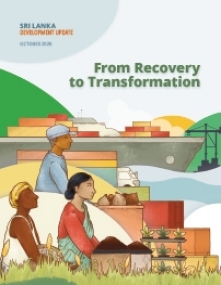
The World Bank’s October 2026 Development Update reported that Sri Lanka’s real GDP has returned to pre-crisis levels, expanding by 4.7 percent in the first half of 2026. This marks twelve consecutive quarters of growth, driven by macroeconomic stabilization. However, the report cautions that recovery remains incomplete, with poverty levels still elevated and structural reforms needed to sustain job creation and investment.
Fuel Pricing Formula Under Scrutiny
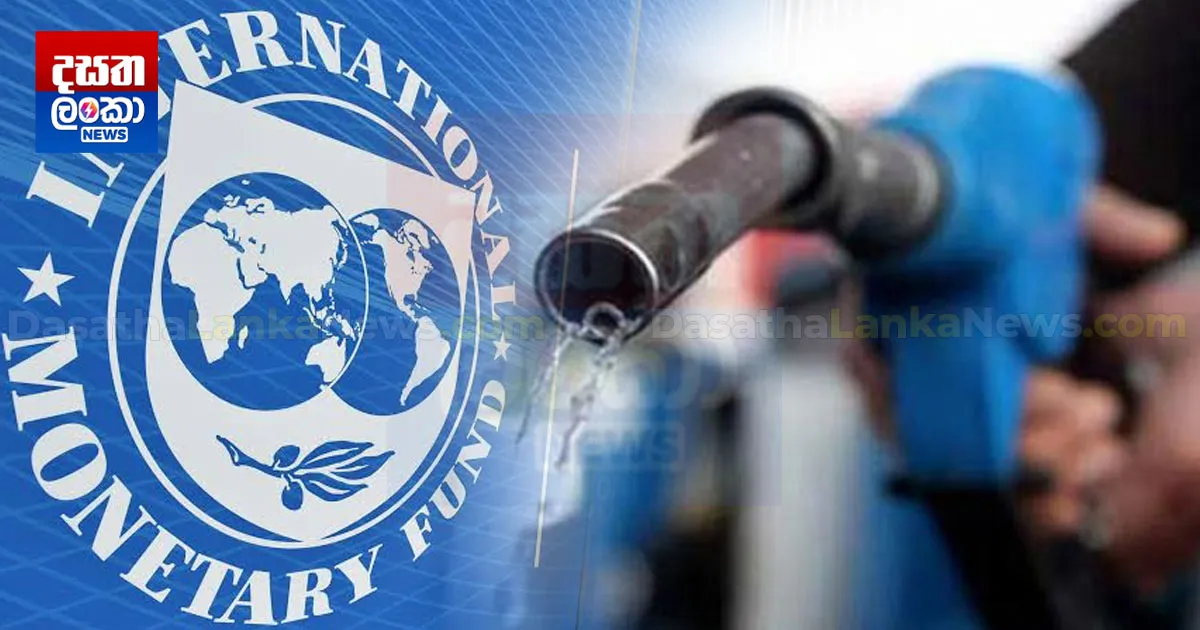
Local Sinhala media reports that the IMF continues to press for strict adherence to a market-based fuel pricing formula. The Dasatha Lanka News outlet highlighted that domestic fuel prices must adjust continuously in line with global market changes, a condition that poses political challenges for the National People's Power (NPP) government as it seeks to protect households from volatility while meeting fiscal targets.
Geopolitical Balancing Act Intensifies
The Carnegie Endowment for International Peace published an analysis on October 5, 2026, highlighting Sri Lanka’s difficult position between great-power rivals. The report notes that while economic recovery has brought stability, domestic strains and external geopolitical pressures could test the durability of this progress. This context is vital for understanding the NPP government’s cautious approach to foreign investment and debt restructuring negotiations.
Local view
ITN News reported on October 11, 2026, that the World Bank has praised the government for economic reconstruction efforts since taking office in September 2024. The Sinhala-language broadcast emphasized the administration's success in achieving economic stability within two years, framing it as a validation of the new government's policies despite ongoing public hardship.
Lanka C News, a prominent Sinhala outlet, focused on the "small print" of the IMF deal, noting that the next tranche is strictly tied to the 2027 budget being compliant with programme terms. The coverage suggests a growing tension between the government's desire to ease austerity and the IMF's insistence on fiscal discipline, particularly regarding revenue mobilization and expenditure ceilings.
In Tamil media, Ceylon Mirror and Tamil Colombo Times covered the SLA announcement on October 6, 2026, emphasizing the $345 million aid package. These outlets highlighted the government's continued commitment to the EFF programme, noting that the agreement serves as a signal to international investors of Sri Lanka's creditworthiness and policy consistency.
Context & numbers
- Financing Access: The Seventh Review unlocks approx. US$345 million.
- GDP Growth: Real GDP expanded by 4.7% in H1 2026.
- Primary Balance Target: From 2027 onward, authorities are committed to reverting to a primary balance target of 2.3% of GDP.
- Inflation Target: The IMF advises maintaining the 5% inflation target to establish credibility in the inflation-targeting framework.
On the radar
- Executive Board Approval: Watch for the IMF Executive Board's formal approval of the Seventh Review, which will trigger the actual disbursement of the $345 million.
- 2027 Budget Draft: The government must finalize its 2027 budget in strict compliance with IMF conditions; any deviation could jeopardize future financing or post-programme credibility.
- Post-Programme Strategy: With the EFF expiring in March 2027, discussions are intensifying on Sri Lanka's exit strategy and potential successor arrangements, as noted by local analysts weighing three distinct options for the post-IMF era.
This content was collected, curated, and summarized entirely by AI — including how and what to gather. It may contain inaccuracies. Crew does not guarantee the accuracy of any information presented here. Always verify facts on your own before acting on them. Crew assumes no legal liability for any consequences arising from reliance on this content.
Powered by
