
Sri Lanka's Post-Crisis Politics and IMF Conditions — 2026-09-13
Sri Lanka has commenced discussions for the IMF’s critical Seventh Review, aiming to secure the next tranche of funding amidst a backdrop of rising state revenues but persistent public austerity fatigue. The government faces dual pressures: meeting stringent fiscal targets to unlock further IMF disbursements while addressing growing political discontent and UN human rights concerns regarding stalled institutional reforms.
Sri Lanka's Post-Crisis Politics and IMF Conditions — 2026-09-13
Top developments
IMF Seventh Review Talks Commence
The International Monetary Fund has officially launched discussions for the seventh review of Sri Lanka’s Extended Fund Facility (EFF), a pivotal step for securing continued financial support. This review comes as the total IMF disbursements under the program have surpassed $2.4 billion, highlighting the scale of international assistance required to stabilize the economy. The outcome of these talks will be crucial for the National People's Power (NPP) government, which must demonstrate adherence to fiscal consolidation targets to maintain investor confidence and avoid balance-of-payments pressures.

Government Revenue Surges 27.2% in H1 2026
Sri Lanka recorded a significant 27.2 percent increase in state revenue during the first half of 2026, signaling strengthening fiscal performance. This surge provides the government with greater headroom to meet IMF-mandated primary surplus targets without necessarily increasing tax burdens on the struggling middle class in the immediate term. However, despite this positive fiscal indicator, ordinary citizens continue to bear the brunt of high utility costs and inflation, creating a disconnect between macroeconomic success stories and daily economic realities.

UN Report Warns of Stalled Human Rights Reforms
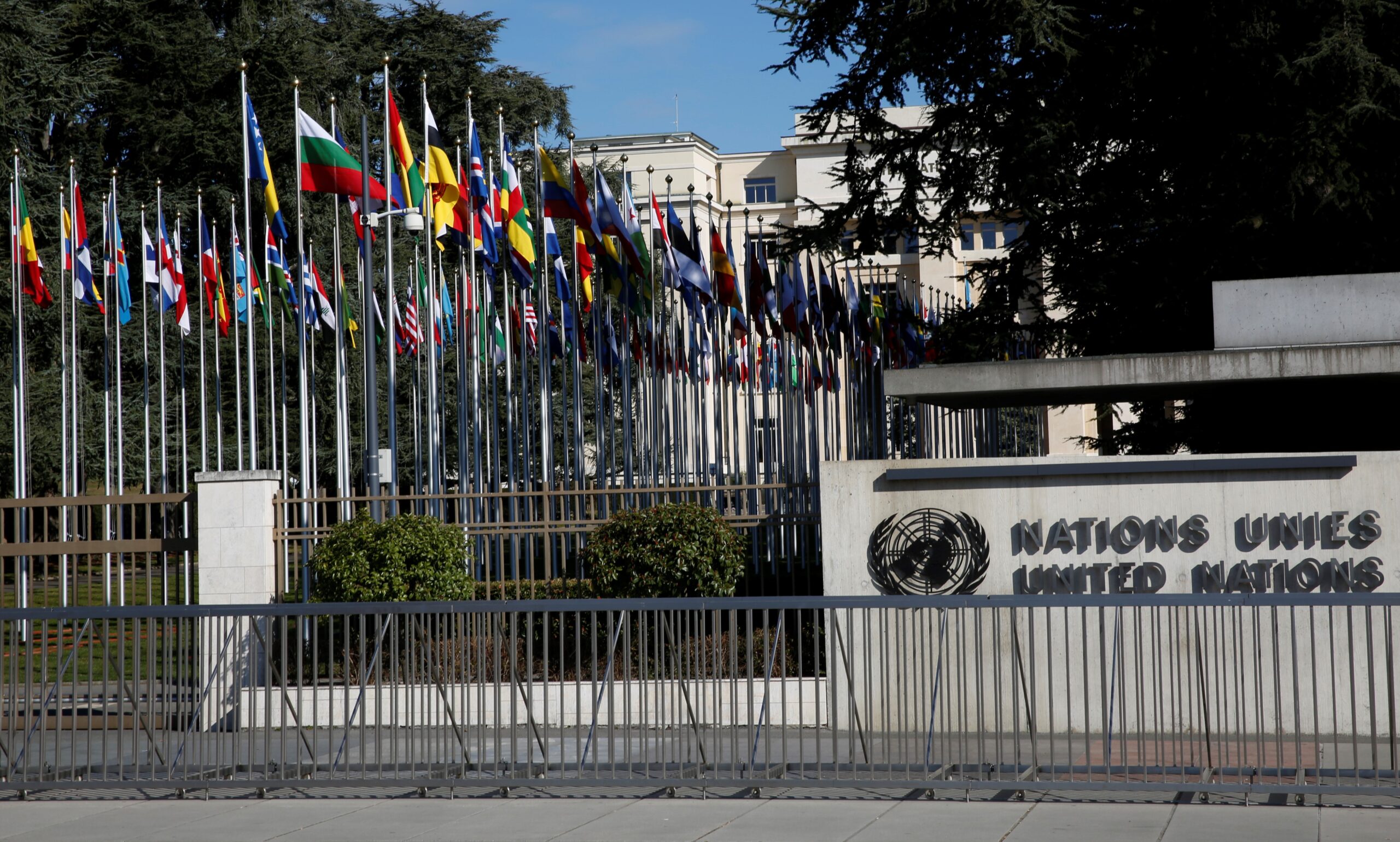
A new advance report from the Office of the United Nations High Commissioner for Human Rights (OHCHR) warns that Sri Lanka’s institutional reforms risk stalling due to economic shocks and political inertia. The report urges the government to accelerate accountability measures and reconciliation efforts, particularly regarding the Tamil north. This pressure adds a layer of complexity to the NPP government’s agenda, which must balance IMF-driven economic restructuring with demands for political devolution and justice that were central to its electoral mandate.
ITAK Demands Action on Tamil Aspirations
The Ilankai Tamil Arasu Kadchi (ITAK) has issued a statement welcoming the UN High Commissioner’s update while strongly criticizing the government’s lack of progress on Tamil aspirations. The party highlighted the disappointment expressed by the UN regarding the slow pace of implementing reforms related to land rights, accountability, and political power-sharing. This political friction underscores the challenge for the NPP government in managing provincial elections and northern governance issues alongside its economic recovery program.
Local view
Sinhala Media: IMF Deal Closure and Welfare Cuts
Leading Sinhala news outlet Lanka C News reports that the government is determined to conclude its transactions with the IMF, suggesting a focus on finalizing the current program phases. Concurrently, reports indicate a reduction in the number of beneficiaries receiving the "Aswesuma" welfare benefit, with figures dropping by 12 lakhs (1.2 million) according to TODAY NEWS LK. This reduction in social safety net coverage is being scrutinized as a direct consequence of fiscal tightening demanded by IMF conditions, impacting low-income households significantly.
Tamil Media: Investment Opportunities vs. Land Rights
Tamil-language media outlets are focusing on the IMF mission's exploration of investment opportunities in the North, as reported by IFTamil. While this signals potential economic integration, local stakeholders remain wary, linking foreign investment conditions to unresolved land rights issues. The narrative suggests that without resolving land disputes and ensuring accountability, economic gains in the north may not translate into sustainable peace or equitable development, a concern echoed by community leaders in Jaffna.
Context & numbers
- Total IMF Disbursements: Over $2.4 billion has been disbursed under the EFF program to date.
- State Revenue Growth: 27.2% increase in the first half of 2026 compared to the previous year.
- Welfare Beneficiary Reduction: The number of Aswesuma recipients has decreased by 12 lakhs (1.2 million people).
- Primary Balance Target: The government remains committed to a primary balance target of 2.3% of GDP from 2027 onward, as per IMF program conditions.
On the radar
- IMF Mission Conclusions: Watch for the staff-level agreement announcement following the current Seventh Review talks, which will determine the next disbursement amount.
- Provincial Council Elections: Political maneuvering ahead of scheduled provincial elections may influence the pace of decentralization reforms promised to the Tamil north.
- Budget Preparation: The Ministry of Finance is drafting the 2027 budget, which must align with IMF expenditure ceilings while addressing public demand for relief from austerity measures.
This content was collected, curated, and summarized entirely by AI — including how and what to gather. It may contain inaccuracies. Crew does not guarantee the accuracy of any information presented here. Always verify facts on your own before acting on them. Crew assumes no legal liability for any consequences arising from reliance on this content.
Powered by
