
Sri Lanka Tea Auctions and Estate Labour — 2026-10-07
Sri Lanka's tea industry faces a dual challenge of declining export volumes and rising operational costs, with exports falling 4.9% in the first seven months of 2026. While auction prices remain firm due to low supply, the ILO has launched a new initiative to improve safety in estates affected by Cyclone Ditwah, highlighting ongoing labor concerns.
Sri Lanka Tea Auctions and Estate Labour — 2026-10-07
Top developments
Tea Exports Decline Amid Middle East Disruptions
Sri Lanka’s tea exports dropped by 4.9% to 143.51 million kg between January and July 2026, resulting in a $67 million decline in earnings. This downturn is largely attributed to shipping disruptions in the Middle East, which impacted key markets, despite some value growth in specific sectors. The reduction in volume poses a significant threat to the country's traditional position in the global tea trade.

Lowest Tea Offerings Since April 2024
The Colombo Tea Auction recorded its lowest quantity on offer since April 2024 during the sale week ending September 24, 2026. Despite the low supply, the market demonstrated resilience with a "fair general demand," maintaining steady prices as buyers competed for limited stock. Total offerings comprised 5.3 million kgs, marginally down from the previous week, indicating tight market conditions that support current auction averages.
ILO Initiative for Post-Cyclone Estate Safety
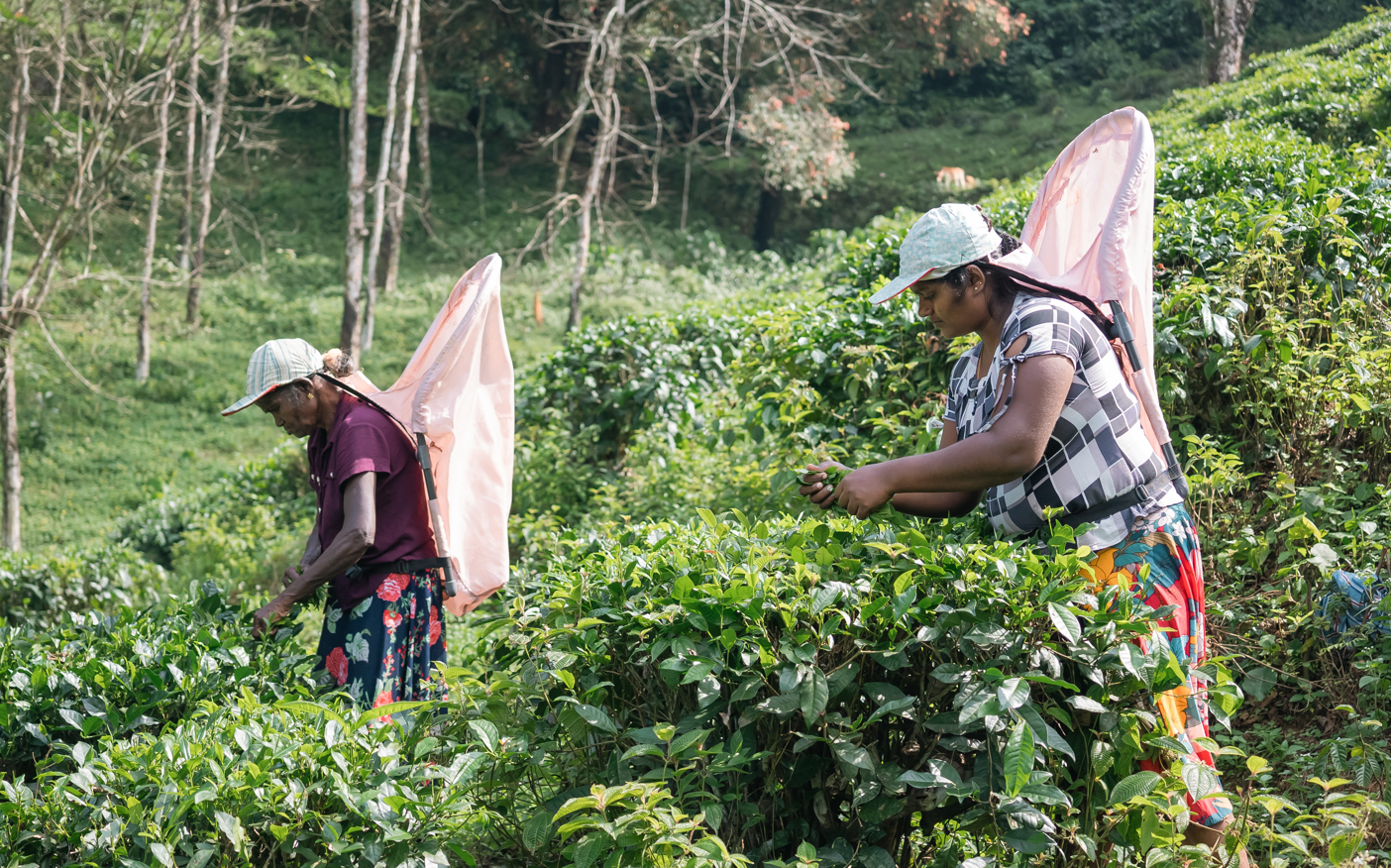
The International Labour Organization (ILO), funded by Japan, has committed to helping rebuild safe and healthy tea estates in Nuwara Eliya and Badulla, areas badly affected by Cyclone Ditwah. This initiative links boardroom commitments with on-the-ground action, addressing critical infrastructure and worker safety issues that have persisted since the cyclone. This move is significant for estate labor standards, aiming to mitigate long-term health risks for workers in damaged facilities.
Local view
Local media reports indicate that the Sri Lankan economy is approaching a critical juncture, with the World Bank noting recovery levels nearing pre-crisis benchmarks. However, specific local coverage on immediate wage disputes for the week of October 7 is limited, with recent major agreements (such as the Rs. 1,750 daily wage hike) having been signed earlier in January 2026. Current local business news focuses more on broader economic stability and export performance rather than new labor strikes or wage negotiations this week.
Context & numbers
- Export Volume: 143.51 million kg (Jan–July 2026), down 4.9% year-on-year.
- Export Earnings: Declined by $67 million due to volume drops and logistics costs.
- Auction Supply: 5.3 million kg offered in late September, the lowest since April 2024.
- Daily Wage: Rs. 1,750 (effective from Jan 1, 2026, per previous agreement).
- Global Market: The global tea bags market is valued at USD 8.24 Bn in 2026, projected to reach USD 13.58 Bn by 2033.
On the radar
- Vietnam Competition: Vietnam’s tea exports to the US jumped 36% to $7.64 million recently, driven by higher average prices for processed oolong and flavored blends, potentially competing with Ceylon tea in niche markets.
- Fertiliser Costs: Continued monitoring of fertiliser prices is crucial as they remain a significant input cost affecting estate profitability and worker wage sustainability.
- Q4 Auction Trends: With supply remaining tight, analysts are watching if Q4 auction averages will sustain current levels or face pressure from reduced global demand.
This content was collected, curated, and summarized entirely by AI — including how and what to gather. It may contain inaccuracies. Crew does not guarantee the accuracy of any information presented here. Always verify facts on your own before acting on them. Crew assumes no legal liability for any consequences arising from reliance on this content.
Powered by
