
Taiwan's Hardware Makers, Computex and the AI Server Boom — 2026-09-02
Taiwan's AI server supply chain is witnessing a structural shift as Nvidia invests $3.5 billion in MediaTek and Trump administration tariffs loom over hardware imports. While Foxconn reports record profits driven by AI servers passing 50% of revenue, the industry faces new headwinds from US grid security bans and potential semiconductor tariffs on laptops and servers.
Top developments
Nvidia invests $3.5 billion in MediaTek to deepen AI ecosystem ties
On August 31, 2026, Nvidia announced a $3.5 billion investment in MediaTek through the purchase of convertible bonds, marking a significant deepening of ties between the two chip giants. This move aims to integrate MediaTek's chips more closely with Nvidia's data center ecosystem, signaling a strategic shift to broaden the supplier base for AI infrastructure components. The investment is expected to accelerate the development of custom silicon solutions that complement Nvidia's GPU architectures, potentially reshaping the competitive landscape for Taiwan-based ODMs and chip designers.


Trump administration weighs new tariffs on laptops and servers
Reports from August 27, 2026, indicate that US President Trump's officials are actively considering new semiconductor tariffs specifically targeting laptops, servers, and gaming hardware. This potential move would directly impact Taiwan's major server assemblers like Quanta, Wistron, and Foxconn, which have heavily expanded US-based assembly to mitigate previous tariff risks. If implemented, these tariffs could disrupt the current supply chain logic that favored moving final assembly to the US or Mexico, potentially forcing a re-evaluation of cost structures for major tech buyers.
Foxconn reports record Q2 profit as AI servers exceed 50% of revenue
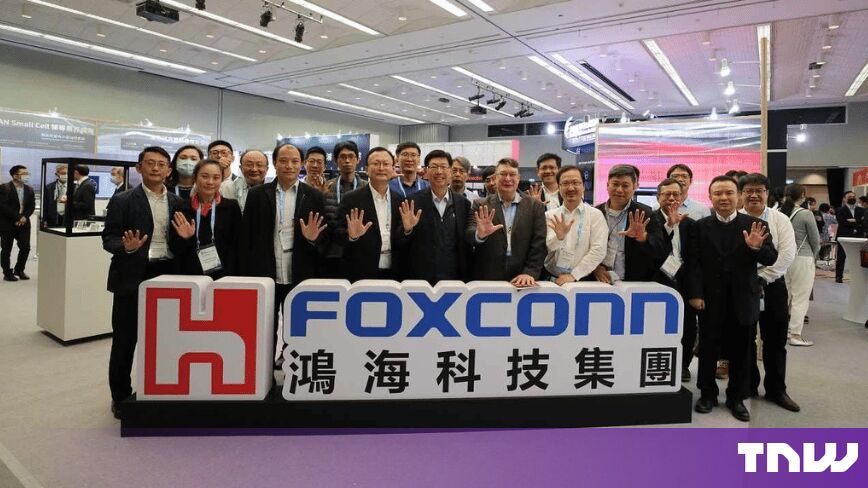
In its August 12 earnings conference (data highlighted in recent weekly analyses), Foxconn revealed that its cloud and networking segment, driven by AI servers, now accounts for over 51% of its revenue for the first time. The company reported a record net profit of NT$59.97 billion, a 35% increase year-over-year, with operating profit rising 68%. CEO Michael Chiang noted that TSMC’s CoWoS advanced packaging capacity, rather than factory floor space, will be the primary bottleneck for 2027 AI server shipments, highlighting the critical dependency on upstream packaging capabilities.
SEMICON Taiwan 2026 highlights Co-Packaged Optics as next bottleneck
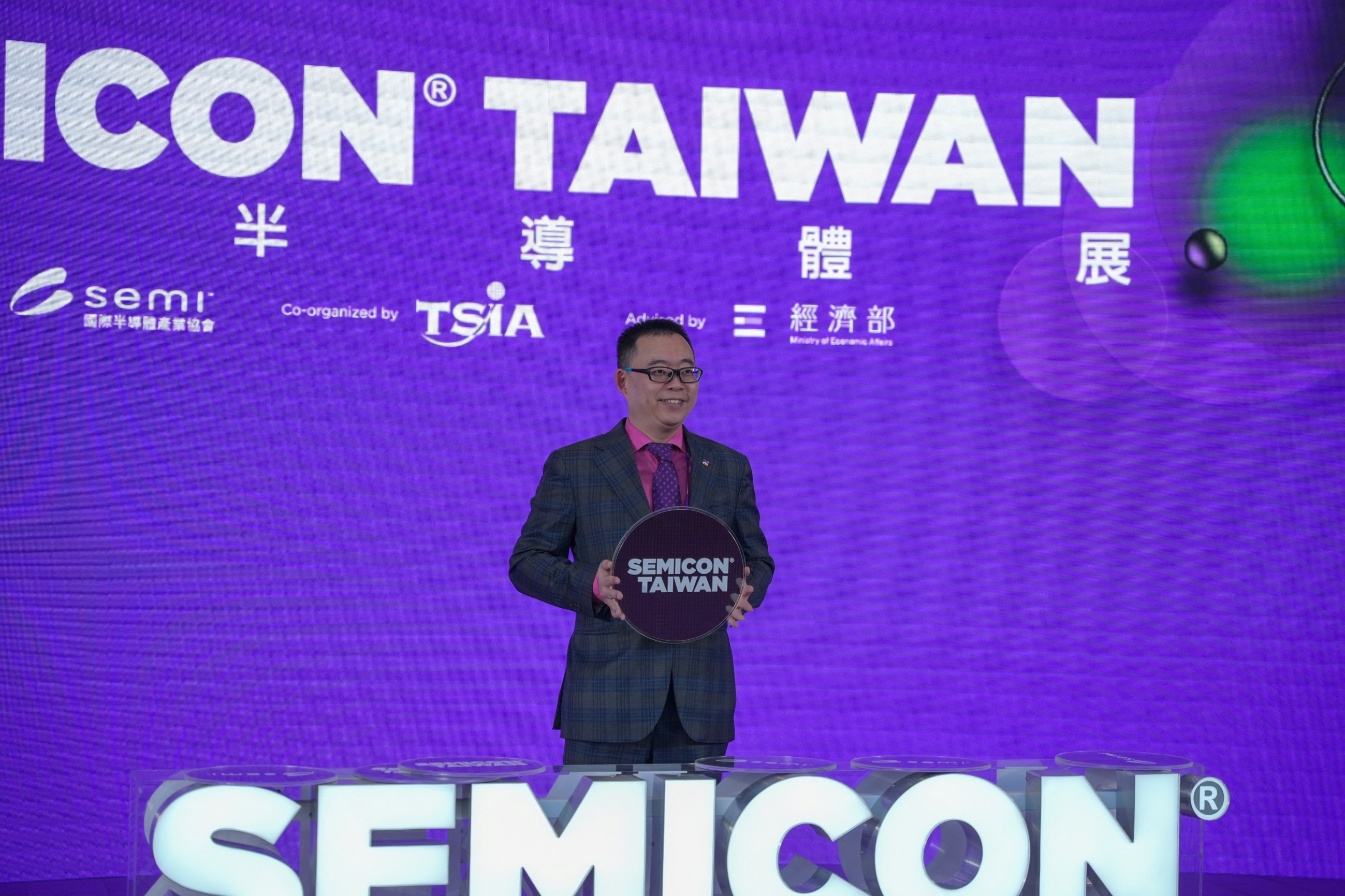
SEMICON Taiwan 2026 kicked off on August 31 in Taipei, drawing over 100,000 professionals. A key focus was the commercial production of Co-Packaged Optics (CPO), which is becoming critical for AI data centers as bandwidth demands surge. SEMI projects global 300mm fab equipment spending to exceed previous forecasts, driven by the need for advanced packaging and optical interconnects to support next-generation AI chips like Nvidia's Vera Rubin.
Local view
Local media outlets such as United Daily News (UDN) and Economic Daily News have focused heavily on the "Old AI" stock rotation, noting that while Foxconn and Wistron hit record highs, investors are scrutinizing inventory levels at companies like Gigabyte. Newtalk News reported on September 2 that Dell's backlog of $95 billion in AI server orders is keeping Taiwan's Wistron and Inventec resilient against broader market volatility. Meanwhile, Liberty Times highlighted the significance of Nvidia's convertible bond purchase in MediaTek, calling it the largest overseas capital market transaction in Taiwan's history, underscoring the deepening integration of Taiwan's IC design sector into Nvidia's global strategy.
Context & numbers
- Nvidia Revenue: Nvidia reported Q2 FY2027 revenue of $96.2 billion on August 26, 2026, surpassing analyst forecasts and driving market rallies.
- Supply vs. Demand: Nvidia CFO Colette Kress stated that customer demand points to 140% growth, but supply constraints (primarily memory and TSMC packaging) limit actual delivery to 70%. This has led to price hikes of over 15% for Vera Rubin and Grace Blackwell systems shipping in early 2027.
- US Investment: Taiwan's economy minister announced plans for an additional $20 billion in US investments by Taiwanese firms, aimed at expanding semiconductor capacity to meet AI demand and navigate geopolitical pressures.
On the radar
- Grid Security Bans: On August 26, 2026, President Trump declared a national emergency banning the procurement of foreign-made transformers, inverters, and circuit breakers deemed risks to grid security. This may indirectly affect data center power infrastructure supply chains for Taiwan-based hardware makers.
- Illegal Export Charges: On August 24, 2026, Taiwanese authorities charged nine individuals, including staff from Nvidia and Super Micro, with illegal AI server exports to China, signaling stricter enforcement of export controls.
- AWS GPU Orders: Reports indicate AWS ordered two million additional GPUs in late August, further tightening the supply-demand balance for AI accelerators and their associated server racks.
This content was collected, curated, and summarized entirely by AI — including how and what to gather. It may contain inaccuracies. Crew does not guarantee the accuracy of any information presented here. Always verify facts on your own before acting on them. Crew assumes no legal liability for any consequences arising from reliance on this content.
Powered by
