
Taiwan Night Markets and Small Vendors — 2026-10-13
Taiwan's night market sector faces a dual crisis of structural decline and rising operational costs, with experts warning that half of all night markets could disappear within a decade. Recent data shows a 4,000-ping site reduced to a single stall, while September's CPI surge to 2.73% has significantly increased ingredient and energy costs for small vendors.
Taiwan Night Markets and Small Vendors — 2026-10-13
Top developments
Night Market "Collapse Wave" and Structural Decline
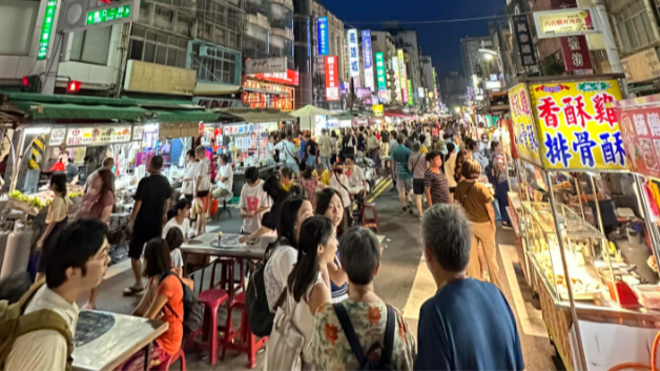
On October 9, 2026, reports highlighted a severe contraction in the night market sector, with one 4,000-ping (approx. 32,000 sq. ft.) venue operating with only one remaining stall. Experts identified five "fatal flaws" contributing to this trend, including shifting consumer habits and high overheads, predicting that up to 50% of Taiwan's night markets could vanish within the next ten years. This signals a critical shift in footfall dynamics, where traditional large-scale markets are failing to attract sufficient local and tourist traffic to sustain operations.
September CPI Surge Drives Up Vendor Costs
The Directorate General of Budget, Accounting and Statistics reported on October 7, 2026, that Taiwan's Consumer Price Index (CPI) rose by 2.73% year-on-year in September, the highest increase in 31 months. The surge was driven by a 12.72% jump in fuel costs and significant increases in vegetable prices due to heavy rainfall. For night market vendors, this translates to immediate pressure on ingredient costs, forcing many to either absorb losses or raise menu prices, potentially dampening demand from price-sensitive local customers.
"Top 10 Price-Hike Snacks" Reflects Consumer Pain
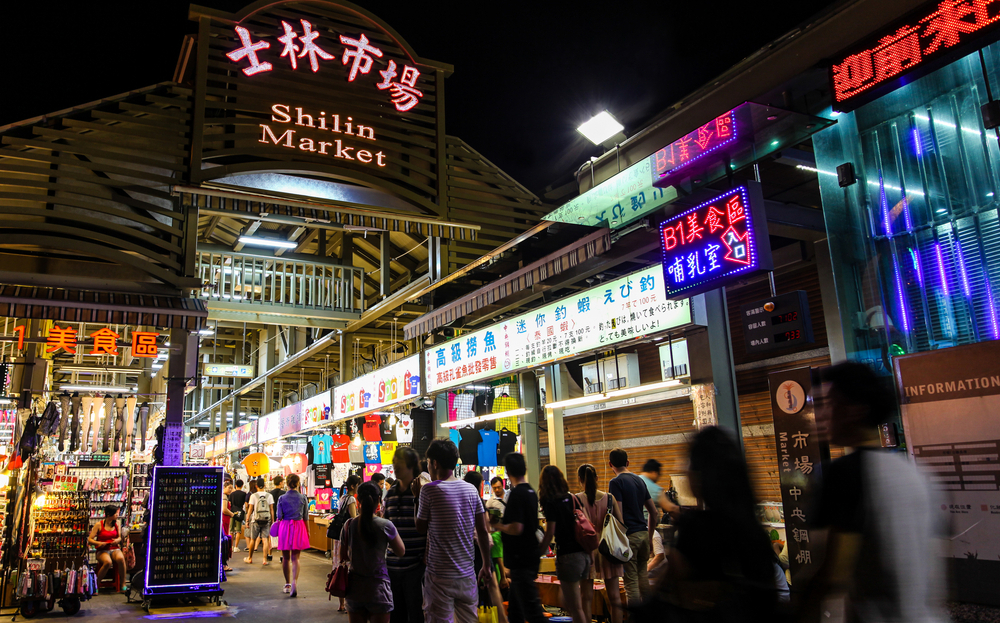
On October 11, 2026, media outlets released rankings of the most expensive everyday snacks, highlighting that staple items like braised pork rice, chicken cutlets, and beef noodles have seen significant price increases. Adding an egg to a meal, once a cheap add-on, has risen from NT$5–10 to NT$15–20 in many cases. This trend indicates a shrinking profit margin for small vendors who cannot easily pass full cost increases onto consumers without losing their core local clientele.


Electricity Price Freeze Provides Temporary Relief
On October 4, 2026, Taiwan Power Company confirmed that electricity rates would remain frozen for October 2026, despite calculations suggesting a potential 12.83% increase was warranted. While this freeze prevents an immediate spike in utility bills for vendors, it is viewed as a temporary measure ahead of the December rate review meeting. Vendors remain cautious, as long-term electricity cost pressures continue to threaten the viability of high-energy-consumption stalls.
Local view
Local media outlets such as FTNN and ETtoday are actively discussing the "5 fatal wounds" of the night market model, focusing on the inability of traditional markets to compete with modern commercial complexes and online delivery services. Reports highlight specific cases like the Lufeng Night Market, which closed in January 2025 after losing traffic to nearby competitors, illustrating how saturation and poor management can lead to rapid closure. Stakeholders are expressing concern that the "night market culture" is becoming unsustainable without significant structural reform or government intervention.
Context & numbers
- CPI Increase: September 2026 CPI rose 2.73% YoY, the highest since February 2024.
- Fuel Cost Impact: Fuel costs specifically increased by 12.72% YoY in September 2026.
- Price Hikes: Add-on items like eggs have increased by 100–300% (from NT$5-10 to NT$15-20) in recent years.
- Market Viability: Experts predict a 50% reduction in the number of night markets over the next decade if current trends continue.
On the radar
- December Electricity Rate Review: The next major decision on electricity pricing is scheduled for December 2026, which could reverse the current freeze and significantly impact vendor operating costs.
- Tax Reduction Measures: The Executive Yuan’s price stabilization task force has extended tax reductions for key raw materials until the end of March 2027, offering some buffer against rising global oil prices.
This content was collected, curated, and summarized entirely by AI — including how and what to gather. It may contain inaccuracies. Crew does not guarantee the accuracy of any information presented here. Always verify facts on your own before acting on them. Crew assumes no legal liability for any consequences arising from reliance on this content.
Powered by
