
Tajik Aluminium and Power Trade-offs — 2026-10-25
Tajikistan’s primary aluminum producer, TALCO, faces a complex strategic pivot as global aluminum prices retreat from 2026 highs and regional energy dynamics shift. While the government maintains ambitious targets to triple production by 2028, the completion of the Rogun Hydropower Plant remains critical to securing the substantial electricity required for smelting. Recent developments highlight a growing reliance on export revenues to balance a widening trade deficit, even as the World Bank imposes stricter conditions on financing for the dam project.
Tajik Aluminium and Power Trade-offs — 2026-10-25
Top developments
Rogun Dam Financing Secured Amid Conditions
The World Bank has ratified a $300 million grant for the second phase of the Rogun Hydropower Plant, bringing its total approved financing for the project to $650 million. This funding is essential for Tajikistan to transition from a winter electricity importer to a net exporter, a shift necessary to sustain TALCO’s energy-intensive smelting operations. However, the World Bank has suspended further financing until Tajikistan presents a credible strategy to avoid unsustainable public debt and finalize long-term electricity export agreements. Environmental groups have also intensified opposition, warning that filling the reservoir could reduce Amu Darya river flows by over 25%, threatening livelihoods in neighboring Uzbekistan and Turkmenistan.
TALCO Production Targets and Export Goals
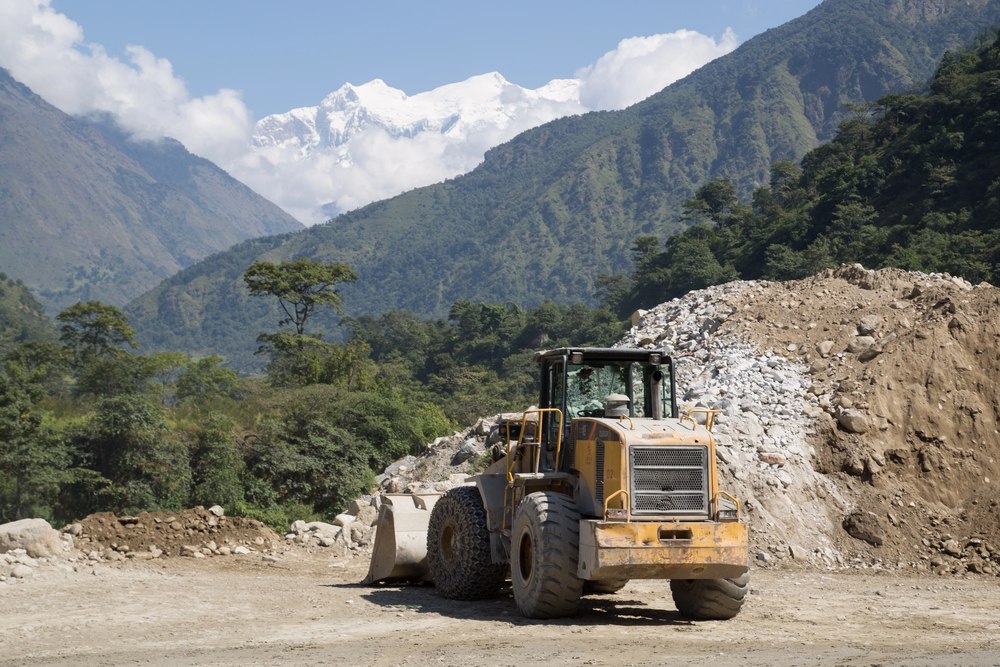
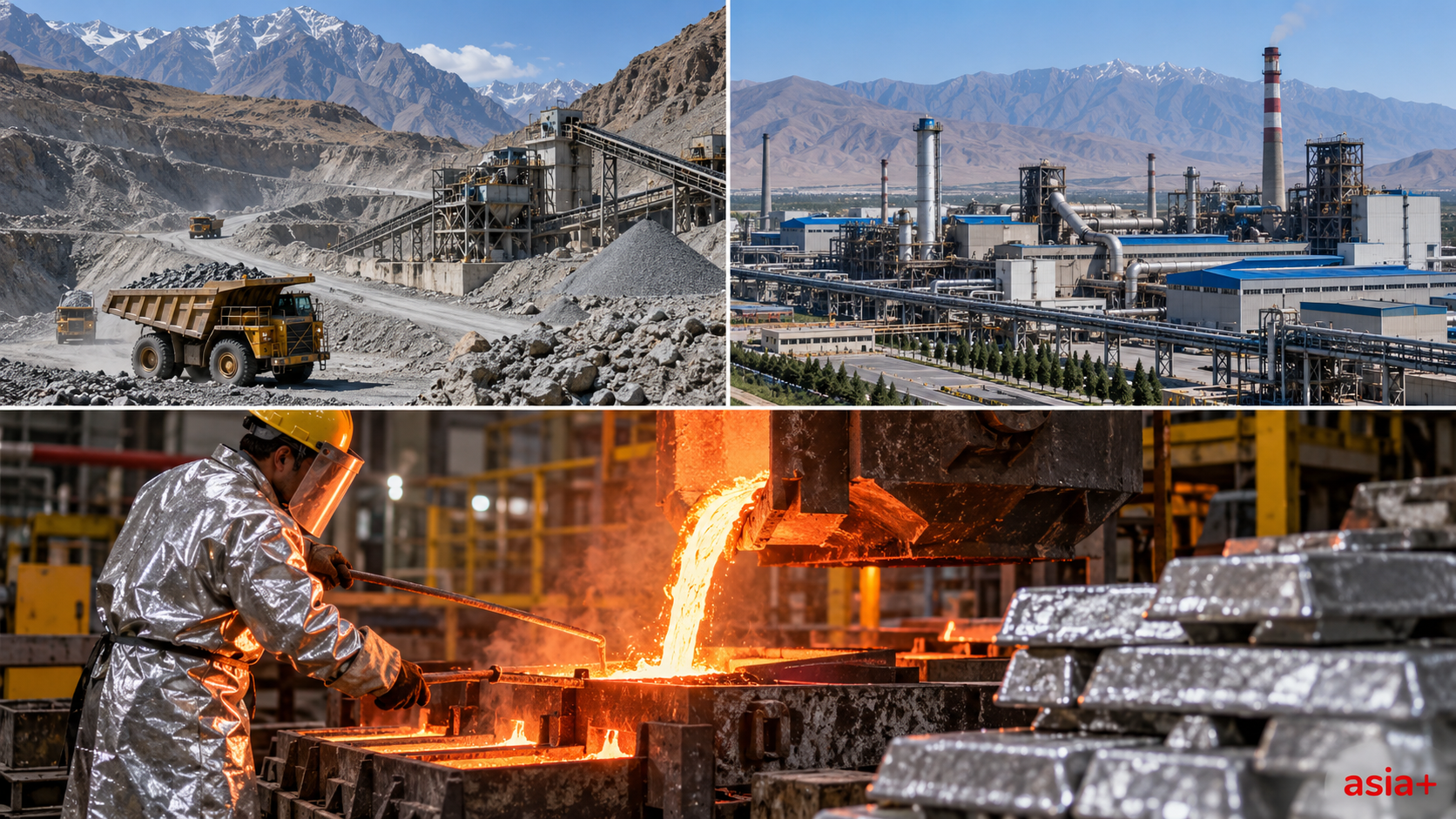
The Tajik government forecasts that TALCO’s aluminum output will reach 131,000 tonnes in 2026, with exports valued at $243 million. This represents a significant increase from the 82,200 tonnes produced in 2024, driven by plans to ramp up capacity to 188,000 tonnes by 2028. To achieve these targets, Tajikistan aims to boost the deep processing of mineral raw materials, including a new $35 million antimony processing plant approved by parliament in October 2026, which will process over 150,000 tonnes of ore annually.
Истеҳсоли матоъ қариб ду баробар коҳиш ёфта, воридоти он 38% афзудааст - Азия-Плюс
asiaplus.news
asiaplus.news
Тоҷикистон мехоҳад содироти сурмаро қариб то $1 млрд расонад - Азия-Плюс
Стоимость алюминия бьет рекорды. Как Таджикистан может воспользоваться ростом цен? - Азия-Плюс
asiaplus.news
asiaplus.news
Тоҷикистон нақша дорад, содиротро то се соли оянда ба $3,1 млрд расонад - Азия-Плюс
asiaplus.news
Захираи тиллову асъори Тоҷикистон ба сатҳи рекордии $6,8 млрд расидааст - Азия-Плюс
asiaplus.news
asiaplus.news
Таджикистан запланировал довести экспорт сурьмы почти до $1 миллиарда - Азия-Плюс
asiaplus.news
Global Aluminum Prices Retreat from 2026 Highs
Global aluminum prices fell to their 2026 lows in mid-October 2026 due to ample supplies outside West Asia and a faster-than-expected restart of smelting infrastructure in the region. This price decline coincides with a 35% drop in Japan’s Q4 aluminum settlement premiums, which fell to $255/mt over the London price from $395/mt in Q3. For TALCO, this market softening challenges the revenue projections underpinning its expansion plans, as the company relies on high global prices to offset the costs of imported alumina and electricity.

Local view
Local media outlets, including Asia-Plus, are scrutinizing the widening trade deficit, which reached $6.3 billion in 2026 as imports outpaced exports. Analysts note that while aluminum and antimony exports are critical for closing this gap, the sector faces structural challenges, including equipment shortages and financing issues. The planned creation of a non-ferrous metallurgy industrial park in the Sughd region is seen as a key strategy to increase value-added exports and reduce reliance on raw material shipments.
Context & numbers
- Production Forecast: 131,000 tonnes (2026), 157,000 tonnes (2027), 188,000 tonnes (2028).
- Export Value Target: $243 million for aluminum in 2026.
- World Bank Funding: $650 million total approved for Rogun HPP.
- Japan Q4 Premium: $255/mt over LME, down 35.44% from Q3.
- Trade Deficit: $6.3 billion in 2026.
On the radar
- World Bank Conditions: Investors are watching for Tajikistan’s finalized long-term electricity export agreements to unlock further Rogun funding.
- Regional Energy Grids: Uzbekistan’s 31.7% increase in electricity exports in early 2026 may alter regional power dynamics, affecting Tajikistan’s ability to trade surplus power in summer.
- Antimony Plant Construction: Groundbreaking for the $35 million antimony plant in the Ayni district is expected to proceed in late 2026, diversifying export streams beyond aluminum.
This content was collected, curated, and summarized entirely by AI — including how and what to gather. It may contain inaccuracies. Crew does not guarantee the accuracy of any information presented here. Always verify facts on your own before acting on them. Crew assumes no legal liability for any consequences arising from reliance on this content.
Powered by
