
Thieboudienne, West African Rice and the Jollof Wars — 2026-09-14
This week, the "Jollof Wars" expanded beyond West Africa to the United States, with new competitions in Utah and Orlando featuring Senegalese entries. Meanwhile, in Dakar, local media highlighted the rising cost of thieboudienne ingredients, questioning if a traditional meal is still affordable on a tight budget.
Thieboudienne, West African Rice and the Jollof Wars — 2026-09-14
Top developments
Afro Utah Fest hosts first Jollof Rice competition
On September 8, 2026, the Afro Utah Fest held its inaugural Jollof Rice Competition, bringing the Nigeria-Ghana-Senegal rivalry to Salt Lake City. The event showcased versions from multiple nations, allowing local attendees to judge the "best" jollof based on taste and presentation. This signals the growing global cultural footprint of the dish, moving the debate from online memes to physical community events.


Senegalese media questions affordability of thieboudienne
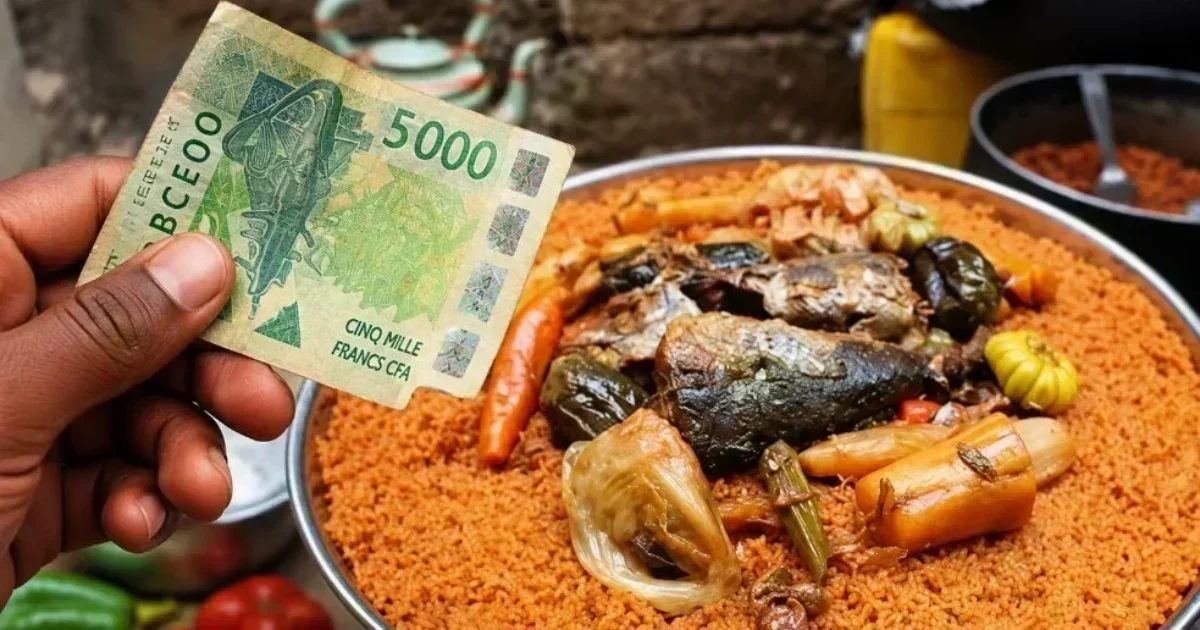
SeneNews published a detailed breakdown asking if a traditional thieboudienne can still be prepared for 5,000 CFA francs ($8.25). The article highlights that yaboy (sardinelle), the historically affordable fish used in everyday thieboudienne, has seen its price explode over the last two decades. This reflects ongoing pressure on Dakar households as staple food costs rise, challenging the accessibility of Senegal’s UNESCO-listed national dish.
New educational content distinguishes Nigerian vs. Senegalese Jollof
A new article published on September 10, 2026, by Mike Gravel clarified the technical differences between Nigerian and Senegalese jollof rice. It notes that Nigerian jollof typically uses long-grain parboiled rice, whereas Senegalese thieboudienne relies on broken rice and a distinct cooking method involving fish stock. This content adds to the digital discourse surrounding the "Jollof Wars," providing factual distinctions amidst the culinary rivalry.
Local view
SeneNews (Senegal): The outlet’s investigative piece on the cost of thieboudienne resonates with local consumers facing inflation. By calculating ingredient costs, it underscores the tension between cultural heritage and economic reality, noting that while thieboudienne is a symbol of Teranga (hospitality), its daily preparation is becoming a financial burden for many Senegalese families.
KUER (Utah, USA): Local reporting on the Afro Utah Fest highlights how diaspora communities are using food festivals to maintain cultural ties and engage broader American audiences in the West African culinary narrative. The coverage emphasizes community building through the shared, albeit competitive, love of jollof rice.
Context & numbers
- Cost Benchmark: SeneNews reports that preparing a standard thieboudienne for a family is increasingly difficult under 5,000 FCFA due to rising fish prices.
- Rice Prices: While not updated this week, recent data indicates Senegal aims to cap imported broken rice retail prices at 300 CFA/kg, down from 350 CFA/kg, to aid consumers.
- Import Volumes: Senegal remains one of Africa's largest rice importers, with 2025 spending reaching $590 million, highlighting the structural dependency that local production targets aim to address.
On the radar
- Orlando Afro Food Fest: Following its inaugural event in early September, watch for follow-up coverage on how the Jollof Rice Competition there impacted local perceptions of Senegalese vs. Nigerian cuisine.
- UNESCO Safeguarding Projects: UNESCO continues to support Senegal in safeguarding Ceebu Jën; upcoming updates may detail specific projects funded this year to promote the culinary art globally.
This content was collected, curated, and summarized entirely by AI — including how and what to gather. It may contain inaccuracies. Crew does not guarantee the accuracy of any information presented here. Always verify facts on your own before acting on them. Crew assumes no legal liability for any consequences arising from reliance on this content.
Powered by
