
Thieboudienne, West African Rice and the Jollof Wars — 2026-10-23
Nigeria recorded the sharpest quarterly drop in jollof rice preparation costs in a decade, while The Gambia retained its title as the best jollof rice at the West Africa Food Festival (WAFFEST). In Senegal, the government officially fixed new retail prices for imported rice effective October 20, 2026, amidst a broader push for food sovereignty that includes a new rice processing plant inauguration and strikes over the cost of living.
Thieboudienne, West African Rice and the Jollof Wars — 2026-10-23
Top developments
Nigeria’s jollof costs drop 11.5% in Q3 2026
The average cost of preparing a pot of jollof rice in Nigeria fell by 11.5% in the third quarter of 2026, marking the sharpest quarterly reduction in ten years. According to a report by SBM Intelligence, the decline was driven primarily by cheaper chicken and vegetable oil, rather than rice itself, which saw minimal price movement across 13 markets. Despite the drop, households continue to struggle with stagnant incomes and high living costs.
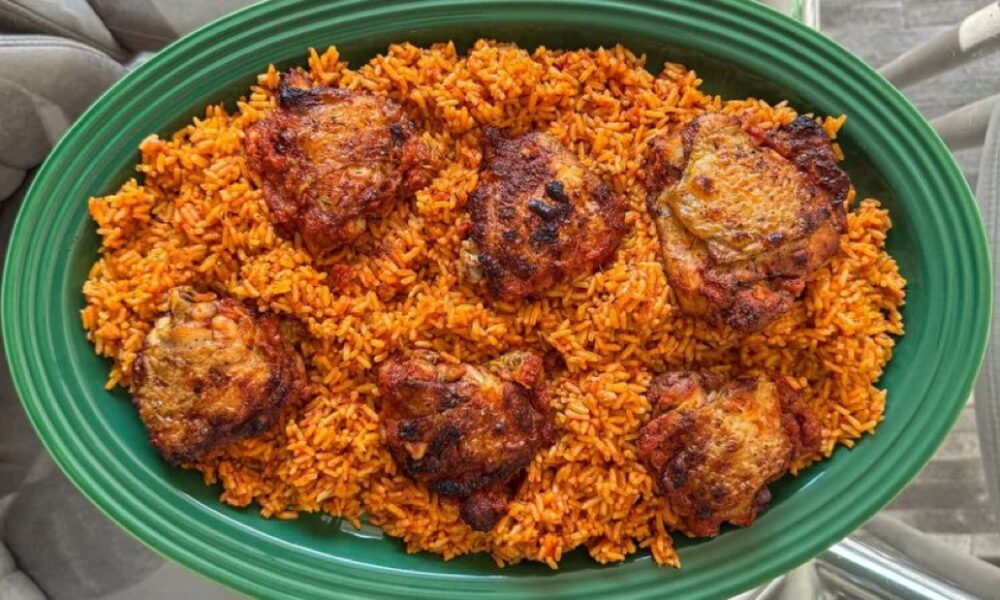
The Gambia retains WAFFEST Jollof Crown
The Gambia retained the title for the best Jollof rice at the just-ended West Africa Food Festival (WAFFEST 2026), extending its winning streak in the regional culinary rivalry. The small West African nation also won multiple categories at the festival, reinforcing its reputation in the ongoing "Jollof Wars" against regional powerhouses like Nigeria and Ghana.
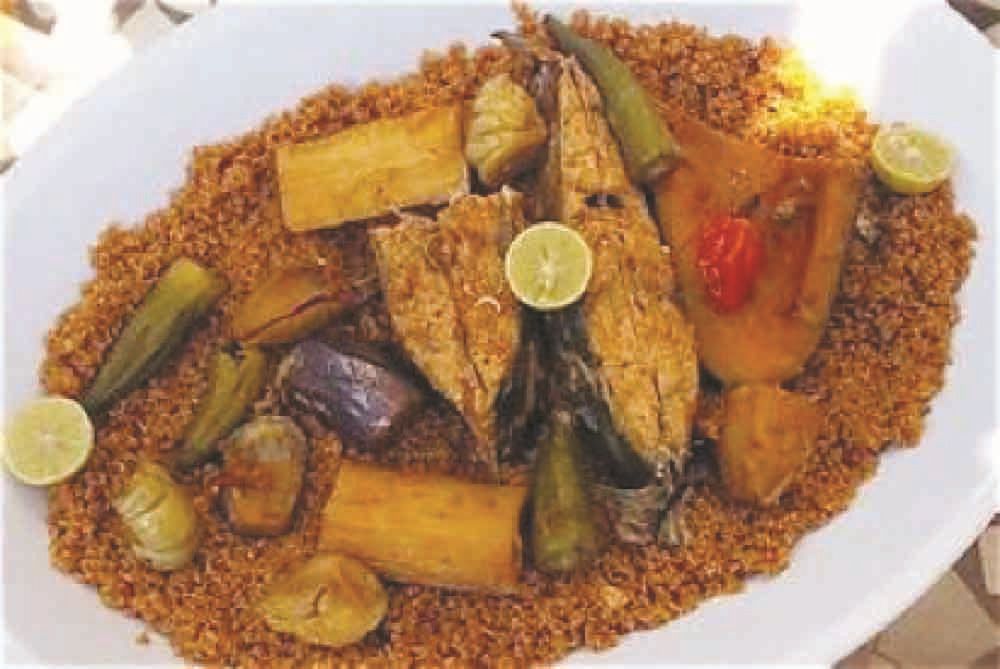
Senegal fixes imported rice prices
Senegal’s Ministry of Commerce and Development of Exports officially fixed the selling prices for steamed and basmati rice imported by private operators, with the new tariffs entering into force on October 20, 2026. This regulatory move aims to stabilize the market for imported varieties that remain critical to Senegalese diets, including those used in national dishes.
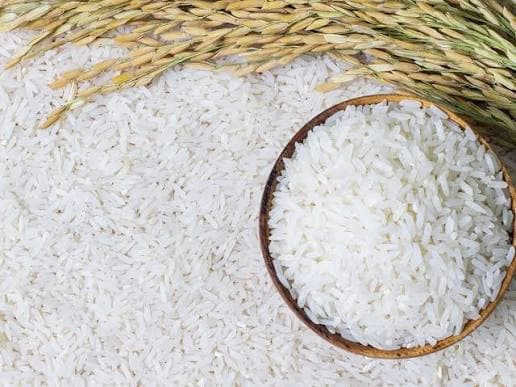
New rice processing plant inaugurated for self-sufficiency
In a move to bolster food sovereignty, Senegal’s Prime Minister inaugurated a new rice processing factory in Bagré. This initiative is part of the broader national strategy to reduce reliance on broken rice imports and achieve economic self-sufficiency in rice production.

Local view
Senegalese media outlets like Le Quotidien and Xalima are focusing heavily on the government's latest price-fixing measures for imported rice and the simultaneous announcement of sugar import suspensions starting in November. The Leconomiste Maghreb highlighted that the Ministry of Commerce’s decision to cap prices for specific imported rice varieties is a direct response to consumer pressure and inflation. Meanwhile, local stakeholders are grappling with the economic impact of a three-day general strike that began on October 21, which includes demands for measures to tackle the high cost of living.
Context & numbers
The recent price adjustments in Senegal come against a backdrop of high import volumes. In 2025, Senegal spent approximately $590 million (336.7 billion CFA) on imported rice, a 6.8% increase from the previous year. While local production efforts are expanding, with yields reaching 7 to 10 tonnes per hectare in the Senegal River Valley in previous campaigns, the country still relies heavily on imports to meet national demand, which is estimated at over 1 million tonnes annually. The Nigerian jollof cost index saw rice prices contribute only N50 to the total cost movement in the latest quarter, indicating that protein and oil prices are currently the dominant factors in regional dish affordability.
On the radar
- Sugar Import Suspension: The Senegalese government plans to suspend sugar imports starting November 2026 for an estimated eight to nine months to protect local industry, a move that may affect the cost of ingredients for certain rice dishes and desserts.
- Black History Month in London: Senegalese chef Khadim Mbamba is currently featured in London media for teaching the "original" jollof rice (thieboudienne style) as part of Black History Month celebrations, highlighting the diaspora's role in the culinary rivalry.
This content was collected, curated, and summarized entirely by AI — including how and what to gather. It may contain inaccuracies. Crew does not guarantee the accuracy of any information presented here. Always verify facts on your own before acting on them. Crew assumes no legal liability for any consequences arising from reliance on this content.
Powered by
