
Thieboudienne, West African Rice and the Jollof Wars — 2026-09-14
Recent coverage highlights the intensifying economic pressure on Senegal’s national dish, *thieboudienne*, with local media questioning if a standard portion remains affordable at 5,000 FCFA. Simultaneously, the global "Jollof Wars" have expanded into US festivals, with new competitions in Utah and Orlando reinforcing the dish's cultural diplomacy potential, while Senegal continues to grapple with rice import dependencies and price controls.
Thieboudienne, West African Rice and the Jollof Wars — 2026-09-14
Top developments
The 5,000 FCFA Thieboudienne Challenge
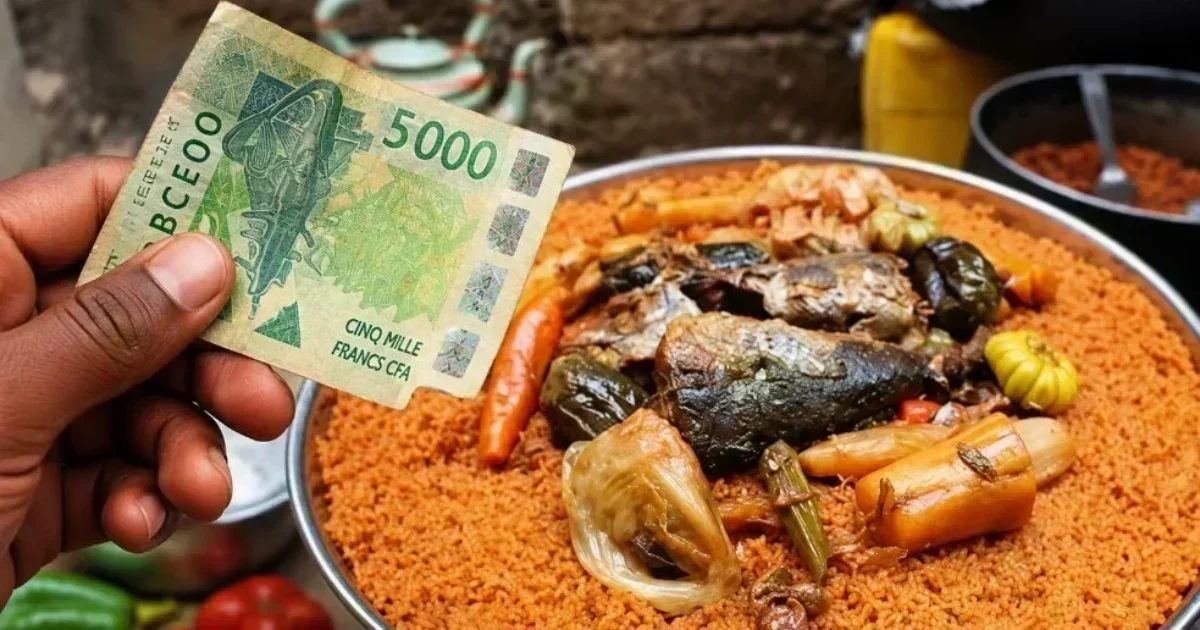
In the past week, Senegalese outlet SeneNews published a detailed cost analysis asking if it is still possible to prepare a "good" thieboudienne for 5,000 FCFA. The article highlights that the yaboy (sardinelle), historically the most affordable fish used in daily meals, has seen its price explode over the last two decades, significantly impacting the affordability of the national dish. This comes as inflation continues to erode purchasing power in Dakar, where staple food costs remain a primary driver of public discontent.
Jollof Rivalry Expands to US Festivals
The "Jollof Wars" between Nigeria, Ghana, and Senegal have moved beyond social media banter into organized culinary competitions in the United States. On September 8, KUER reported on the first Jollof Rice Competition at the Afro Utah Fest, where diaspora communities showcased national versions of the dish. This follows the inaugural Afro Food Fest in Orlando on September 5, which also featured a multi-national Jollof competition. These events serve as soft-power platforms, with Senegal’s thieboudienne often positioned as the sophisticated ancestor of the West African jollof family.


Culinary Heritage and UNESCO Support
UNESCO has reaffirmed its support for safeguarding Senegal’s culinary heritage, specifically Ceebu Jën (Thieboudienne), which was inscribed on the Representative List of Intangible Cultural Heritage in 2021. Recent statements emphasize the importance of protecting this culinary art from appropriation and ensuring its transmission to future generations. This institutional backing contrasts with the commercial and competitive nature of the "Jollof Wars," positioning thieboudienne as a protected cultural asset rather than just a contested recipe.

Local view
Local media in Senegal are increasingly framing the price of rice and fish as a matter of social stability rather than just economics. Afrik.com reported on the heavy weight of the high cost of living on household baskets in Dakar, noting that markets like Castors are seeing reduced volumes as consumers struggle to afford basic staples.
Additionally, SenePlus analyzed who actually determines prices in Senegal, pointing out that despite government interventions, market realities such as the beef price (5,000–5,500 FCFA/kg in August 2026) continue to dictate household spending, indirectly affecting the frequency of thieboudienne consumption.
Context & numbers
- Import Bill: Senegal spent approximately $590 million (336.7 billion CFA francs) on imported rice in 2025, a 6.8% increase year-over-year.
- Price Cap: The government aims to cap the retail price of imported broken rice at 300 CFA francs/kg in 2026, down from 350 CFA, to mitigate inflation impacts.
- Production Gaps: National rice production is estimated at 250,000 tonnes, with only about 50% effectively marketed, leaving a significant gap filled by imports.
- Current Market Price: As of mid-2026, average rice prices in Senegal were tracked at $0.27/kg.
On the radar
- Import Suspension Monitoring: The government’s suspension of rice import declarations (DIPA) to support local production, initiated in July 2026, is being closely watched for its impact on Q4 stock levels and potential shortages.
- Festival Circuit: Following the events in Utah and Orlando, further diaspora-led Jollof competitions are expected in major European cities later this year, continuing the cultural contestation of the dish.
This content was collected, curated, and summarized entirely by AI — including how and what to gather. It may contain inaccuracies. Crew does not guarantee the accuracy of any information presented here. Always verify facts on your own before acting on them. Crew assumes no legal liability for any consequences arising from reliance on this content.
Powered by
