
Thieboudienne, West African Rice and the Jollof Wars — 2026-10-09
Rice prices in West Africa are rising sharply as global supply tensions hit local markets, with the FAO reporting a 1.4% increase in September 2026. In Senegal, the Minister of Agriculture announced emergency measures to address rainfall deficits impacting the 2026 harvest, while regional analysts warn that the country's heavy reliance on imports exposes it to further price volatility.
Thieboudienne, West African Rice and the Jollof Wars — 2026-10-09
Top developments
FAO reports rice price rise amid supply concerns
The FAO Food Price Index for rice increased by 1.4% in September 2026, marking a significant shift after a period of relative stability. This rise is driven by supply constraints from major exporter India, which accounts for 40% of global sales, impacting import-dependent nations like Senegal. For Dakar’s consumers, this signals potential pressure on the cost of broken rice, the primary ingredient for thieboudienne.
Senegal announces measures for agricultural deficits
On October 8, 2026, Senegal’s Minister of Agriculture, Cheikhou Oumar Ba, concluded a national tour of 14 regions and announced specific measures to address rainfall deficits during the 2026 agricultural campaign. While the minister described overall conditions as "globally satisfactory," the identified deficits in key rice-growing zones threaten the yield of the hot dry season and subsequent harvests. These measures are critical for Senegal’s long-term goal of reducing its $590 million annual rice import bill.

Regional rice market tension escalates
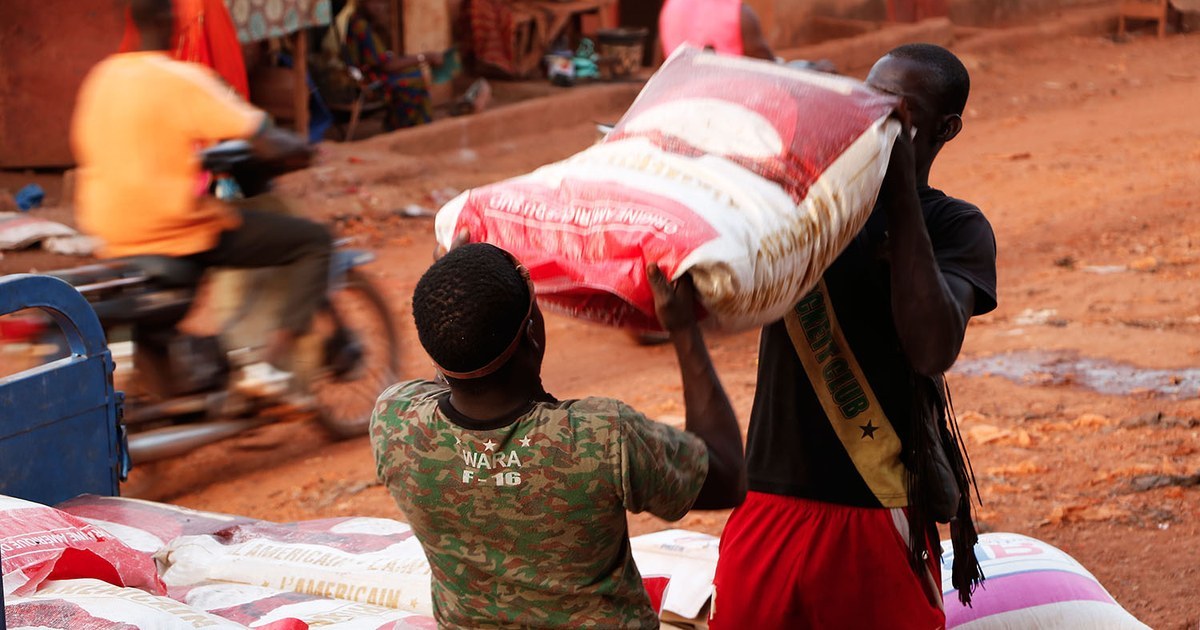
Analysts report that the rice market in West Africa is now fully gripped by price tensions, reversing the stabilizing role this staple had played in previous food crises. The surge in global prices coincides with Senegal’s ongoing struggle to balance consumer affordability with producer viability. With Senegal being the third-largest rice importer in Africa after Nigeria and Côte d'Ivoire, any spike in global broken rice prices directly impacts household budgets and the political stability surrounding food subsidies.
Local view
Local media outlets such as VivAfrik and Notre Afrik are focusing heavily on the immediate impact of the FAO’s September price index release and the Minister of Agriculture’s tour. Stakeholders are expressing concern that despite government announcements, the structural dependency on imported broken rice remains unchanged, leaving the national dish thieboudienne vulnerable to external market shocks. The debate centers on whether current "emergency measures" for rainfall deficits are sufficient to prevent another year of high import costs.
Context & numbers
- FAO Rice Index: +1.4% in September 2026
- Senegal Import Bill: $590 million in 2025 (second highest since 2015)
- Global Share: India supplies 40% of world rice sales
- Import Rank: Senegal is the 3rd largest rice importer in Africa
On the radar
- Harvest Data: Watch for official yield estimates from the Senegal River Valley following the announced measures for rainfall deficits.
- Price Caps: Monitor if the government maintains the CFA 300/kg cap on broken rice retail prices given the new upward trend in global indices.
- Jollof Rivalry: No new competitive festivals or diplomatic disputes regarding Jollof rice origins were reported in the last 7 days; the culinary rivalry remains quiet compared to recent months.
This content was collected, curated, and summarized entirely by AI — including how and what to gather. It may contain inaccuracies. Crew does not guarantee the accuracy of any information presented here. Always verify facts on your own before acting on them. Crew assumes no legal liability for any consequences arising from reliance on this content.
Powered by
