
Turkish Hazelnut Harvest and TMO Price — 2026-09-08
The gap between the state-backed TMO purchase price and the free market has widened significantly, with TMO offering up to 280 TL/kg for high-yield hazelnuts while free market prices in key regions like Ordu and Sakarya hover between 160–190 TL/kg. This disparity has redirected producer sales toward the state agency, leaving exporters facing higher raw material costs and squeezing margins as the 2026/27 season begins. Meanwhile, Türkiye’s 2025/26 export revenue hit $2.5 billion, setting a high benchmark for the current season despite global price softening.
Turkish Hazelnut Harvest and TMO Price — 2026-09-08
Top developments
The 70 TL Price Gap Drives Producers to State Agency
As of September 8, 2026, a massive divergence has emerged in the Turkish hazelnut market. While the Turkish Grain Board (TMO) is purchasing Giresun-quality hazelnuts at a base of 255 TL/kg, effective prices for high-yield (randıman) nuts reach 275–280 TL/kg due to quality bonuses. In contrast, free market prices in Ordu have dropped to 175–180 TL/kg, and in Sakarya to around 160 TL/kg for standard 50% yield nuts. This ~70–100 TL spread has caused a "producer exodus" to TMO silos, starving private exporters of supply and forcing them to bid up prices or face inventory shortages.

Export Revenue Hits $2.5 Billion Despite Global Softening
Türkiye generated $2.5 billion in revenue from hazelnut exports during the 2025–2026 season, according to data released in early September 2026. This strong performance occurred despite global spot prices easing earlier in the year due to fears of oversupply from alternative origins like Oregon and Chile. However, the actual harvest was smaller than anticipated due to frost damage in previous cycles, keeping prices firm. For the new 2026/27 season, exporters are now grappling with the high domestic floor set by TMO, which limits their ability to compete on price in European markets without squeezing margins.
Free Market Prices Slide as Harvest Peaks
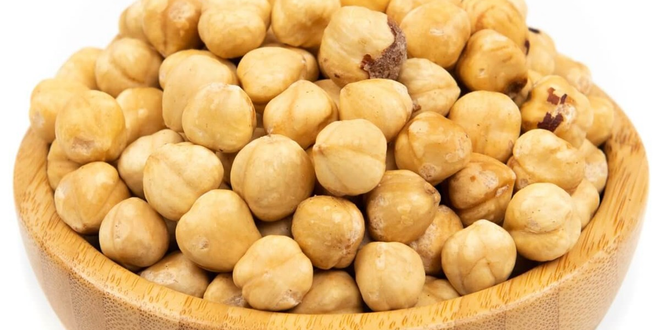
In the first week of September 2026, free market prices in the Black Sea region showed downward pressure as the bulk of the harvest arrived. In Giresun, prices peaked briefly at 210 TL/kg before stabilizing, while in Sakarya, 50% yield hazelnuts traded at gross levels of 160 TL/kg. Producers report that costs for labor and inputs have risen sharply, making these free market prices unviable for many smallholders. Consequently, many are choosing to leave crops in orchards or wait for TMO intake slots rather than sell to private merchants, creating a bottleneck in the supply chain.
Local view
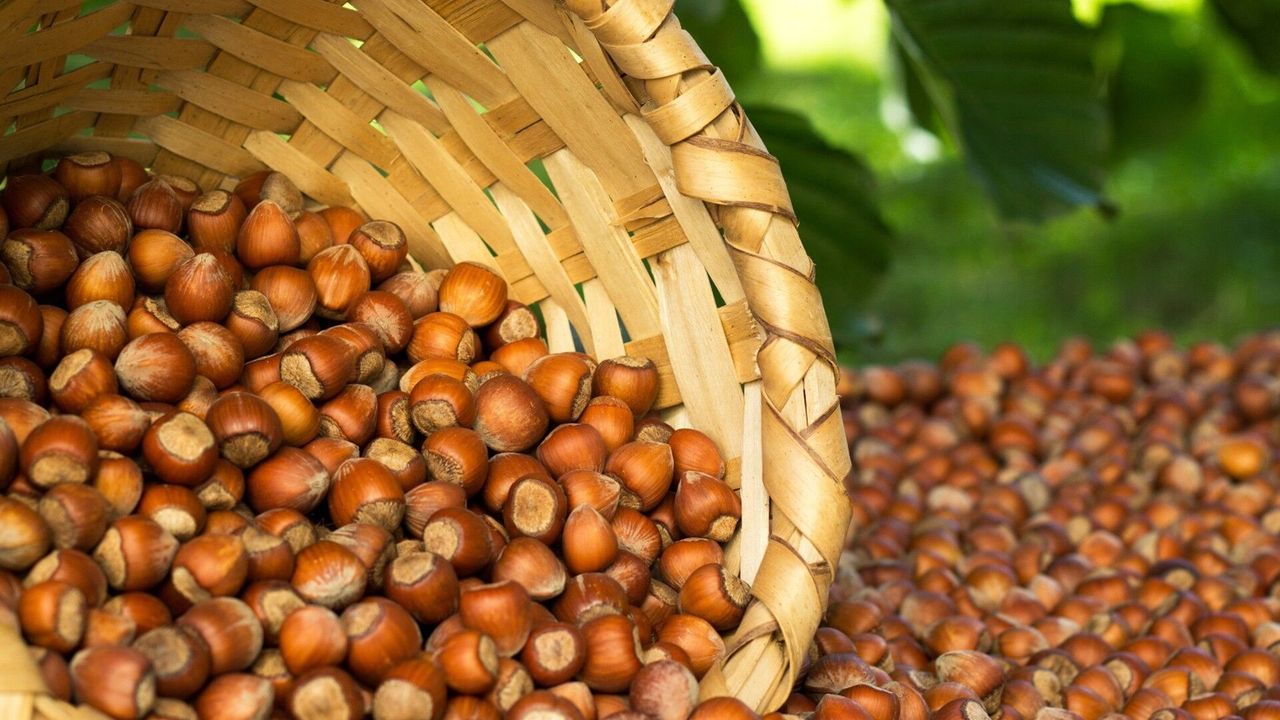
Local media outlets such as Dünya Gazetesi and Haber61 highlight the frustration among producers who feel abandoned by the free market. Ordu Olay reports that farmers are facing a "deadlock" where the cost of production exceeds the free market sale price, making TMO the only economically rational buyer. The local narrative emphasizes that while TMO provides a safety net, the sheer volume of nuts being delivered is straining logistics and creating long queues, further discouraging private sector participation.
Context & numbers
-
TMO Purchase Prices (2026/27 Season):
- Giresun Quality: 255 TL/kg (base); up to ~280 TL/kg with yield bonuses.
- Levant Quality: 250 TL/kg.
- Sivri Quality: 245 TL/kg.
- Note: These are in-shell prices based on 50% kernel yield.
-
Free Market Prices (Early Sept 2026):
- Giresun: ~190–210 TL/kg.
- Ordu: ~175–180 TL/kg.
- Sakarya: ~160 TL/kg.
-
Global Market Context:
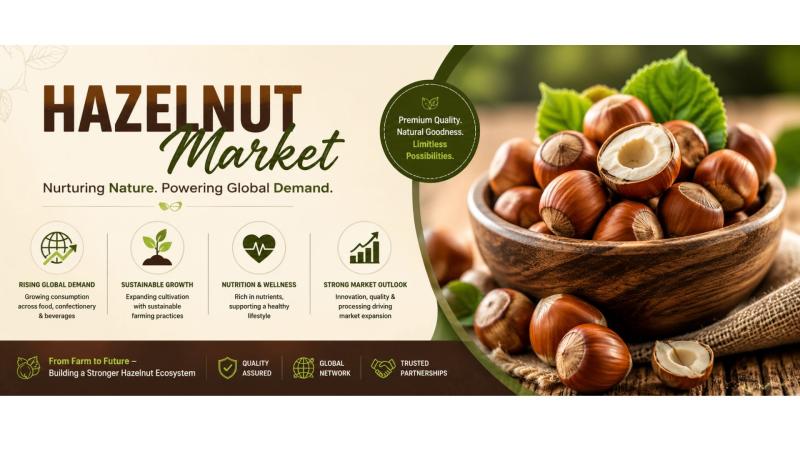
- The global hazelnut market is projected to grow from $9.4 billion in 2026 to $15.4 billion by 2033.
- Türkiye remains the world's largest producer, but the 2026 crop is estimated at ~810,000 metric tons, a recovery from the frost-hit 2025 crop (~518,000 tons).
On the radar
- TMO Intake Capacity: Watch for reports of logistical bottlenecks at TMO silos as producers rush to capitalize on the high price gap. Delays could force some producers back to the free market, potentially stabilizing private prices.
- Exporter Margin Compression: With TMO paying nearly 30% more than the free market, Turkish exporters may lose competitiveness against Chilean and US hazelnuts in Europe unless they can pass on costs to confectionery giants like Ferrero.
- Quality Control: As volumes surge into TMO, stricter enforcement of aflatoxin and moisture standards could lead to rejections, adding uncertainty for farmers.
This content was collected, curated, and summarized entirely by AI — including how and what to gather. It may contain inaccuracies. Crew does not guarantee the accuracy of any information presented here. Always verify facts on your own before acting on them. Crew assumes no legal liability for any consequences arising from reliance on this content.
Powered by
