
Turkish Hazelnut Harvest and TMO Price — 2026-09-14
The gap between Turkey’s state-set hazelnut floor price and the free market has widened to approximately 50 TL per kilogram, causing significant friction for producers in the Black Sea region. While the Turkish Grain Board (TMO) maintains its purchase price at 250–255 TL, free market prices have stagnated between 175–205 TL depending on quality and location. Meanwhile, global exports of Turkish hazelnuts slumped to a twenty-year low in the previous season, prompting shifts in buying tactics from major players like Ferrero.
Turkish Hazelnut Harvest and TMO Price — 2026-09-14
Top developments
Widening Price Gap Frustrates Black Sea Producers
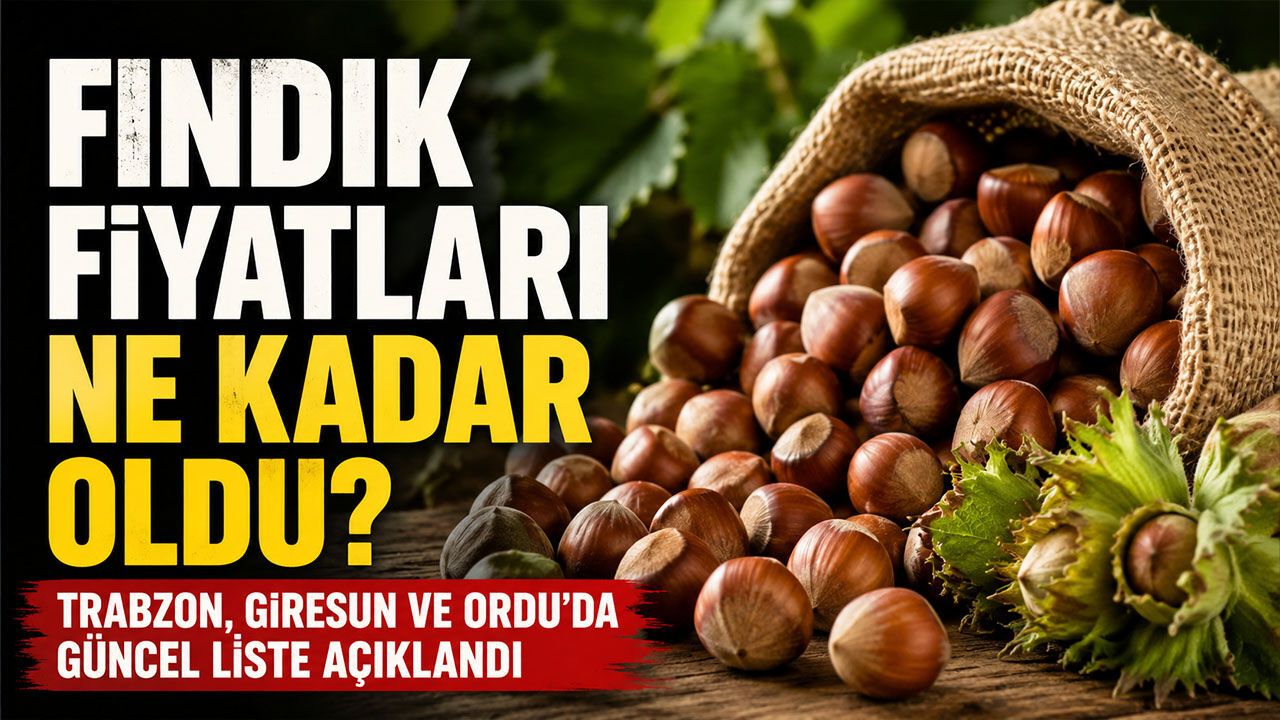
As of September 13, 2026, a stark divergence has emerged between the TMO’s official purchase price and free market rates. The state agency is buying Giresun quality hazelnuts at 255 TL and Levant quality at 250 TL, whereas free market prices in key hubs like Giresun have hovered around 205 TL, and as low as 175–180 TL in Ordu. This ~50 TL discrepancy has led to producer frustration, with many holding onto stock rather than selling to merchants who cannot match the state's floor price.
Export Slump Hits Twenty-Year Low
The 2025/2026 season concluded with Turkish hazelnut exports falling to their lowest level in two decades. This collapse in external demand has contributed to the softening of free market prices, as domestic merchants face reduced pressure to compete for supply against international buyers. The lack of export momentum contrasts sharply with the high state support prices, creating a complex dynamic for local traders who are now reluctant to offer higher rates to farmers.
Regional Price Variations Persist
Price disparities remain significant across different production zones. In Sakarya, 50% kernel yield hazelnuts were trading at roughly 160–175 TL in early September, while Giresun quality commanded higher premiums up to 210 TL on the free market. These regional differences reflect varying quality grades and local supply pressures, but all remain well below the TMO’s intervention levels, forcing farmers to decide between immediate cash sales at lower rates or waiting in queues for state purchases.
Local view
Local media outlets in the Black Sea region are highlighting the "deadlock" situation faced by growers. Taka Gazete reports that the "scissors" (gap) between TMO and market prices has opened significantly, making it economically irrational for farmers to sell to private merchants. Arsin Haber notes that while TMO offers a safety net, the sheer volume of farmers opting for state purchases creates logistical bottlenecks, while private traders sit on unsold inventory due to weak export demand.
In Akçaabat, local reports indicate that free market prices have settled around 180 TL, leading to visible disappointment among producers who had hoped for higher returns following the frost-damaged previous season. The local sentiment is one of caution, with many producers preferring to hold their crop in anticipation of potential price adjustments or better access to TMO facilities.
Context & numbers
-
TMO Purchase Prices (2026/27 Season):
- Giresun Quality: 255 TL/kg
- Levant Quality: 250 TL/kg
- Sivri Quality: 245 TL/kg
-
Free Market Prices (Early-Mid September 2026):
- Giresun: ~205–210 TL/kg
- Ordu: ~175–180 TL/kg
- Sakarya (50 randıman): ~160–175 TL/kg
-
Export Performance:
- 2025/2026 season exports reached a twenty-year low, significantly impacting domestic liquidity and merchant pricing power.
On the radar
- Ferrero’s Buying Strategy: Recent reports indicate Ferrero has adopted "unusual" buying tactics in response to the current market freeze, potentially shifting more volume to alternative origins like Chile or adjusting contract structures to mitigate the high Turkish floor prices.
- Global Market Stand-off: The world hazelnut market is described as "frozen" with buyers and sellers locked in a price standoff, particularly as the Oregon harvest approaches, which could further suppress Turkish export competitiveness if US crop yields are strong.
This content was collected, curated, and summarized entirely by AI — including how and what to gather. It may contain inaccuracies. Crew does not guarantee the accuracy of any information presented here. Always verify facts on your own before acting on them. Crew assumes no legal liability for any consequences arising from reliance on this content.
Powered by
