
Turkish Hazelnut Harvest and TMO Price — 2026-10-25
The 2026 Turkish hazelnut harvest faces a severe quality crisis, with kernel yields dropping below 40% due to wet weather and mold, causing export prices to fall despite the state TMO's fixed purchase price of 250 TRY/kg. Meanwhile, the gap between state-supported prices and the free market has widened, leaving farmers squeezed between low market bids and strict quality requirements from major buyers like Ferrero.
Turkish Hazelnut Harvest and TMO Price — 2026-10-25
Top developments
Kernel yields drop below 40% amid quality crisis
Turkish hazelnut export prices have declined as kernel recovery rates for the 2026 crop have fallen below 40%, driven by wet weather during the harvest and drying stages. This has led to increased mold and kernel defects, complicating sales to European buyers who require specific quality standards.

Massive price gap between TMO and free market
The Turkish Grain Board (TMO) set its 2026/27 purchase price at 250 TRY/kg, but free market prices have stagnated around 170–180 TRY/kg. This 30-40% discount persists because farmers face strict quality rules and limited storage capacity, forcing many to sell at lower market rates despite the state's higher floor price.
Ferrero shifts to direct kernel purchases
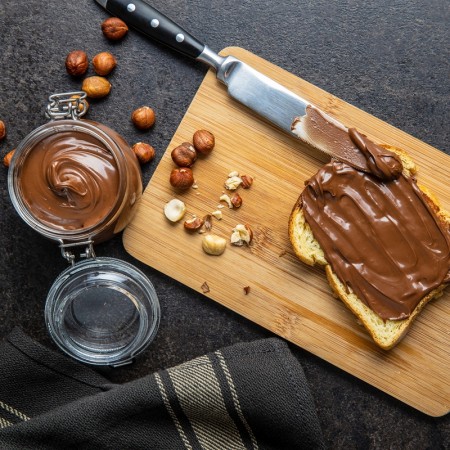
In a move reflecting market instability, Italian confectionery giant Ferrero has begun purchasing hazelnut kernels directly rather than relying solely on traditional in-shell supply chains. This strategy aims to secure quality amidst widespread concerns about the new crop's condition, where quality issues are viewed as a structural problem rather than a one-off event.
Black Sea farmers face "price squeeze"
Local reports from Ordu and Samsun highlight that farmers are trapped between the TMO's high reference price and the reality of free market bids. In Ordu, free market prices for Levant quality hazelnuts hovered around 166–178 TRY/kg in late October, significantly below the 250 TRY/kg TMO benchmark, as producers struggle with rising labor costs and drying difficulties.
Local view
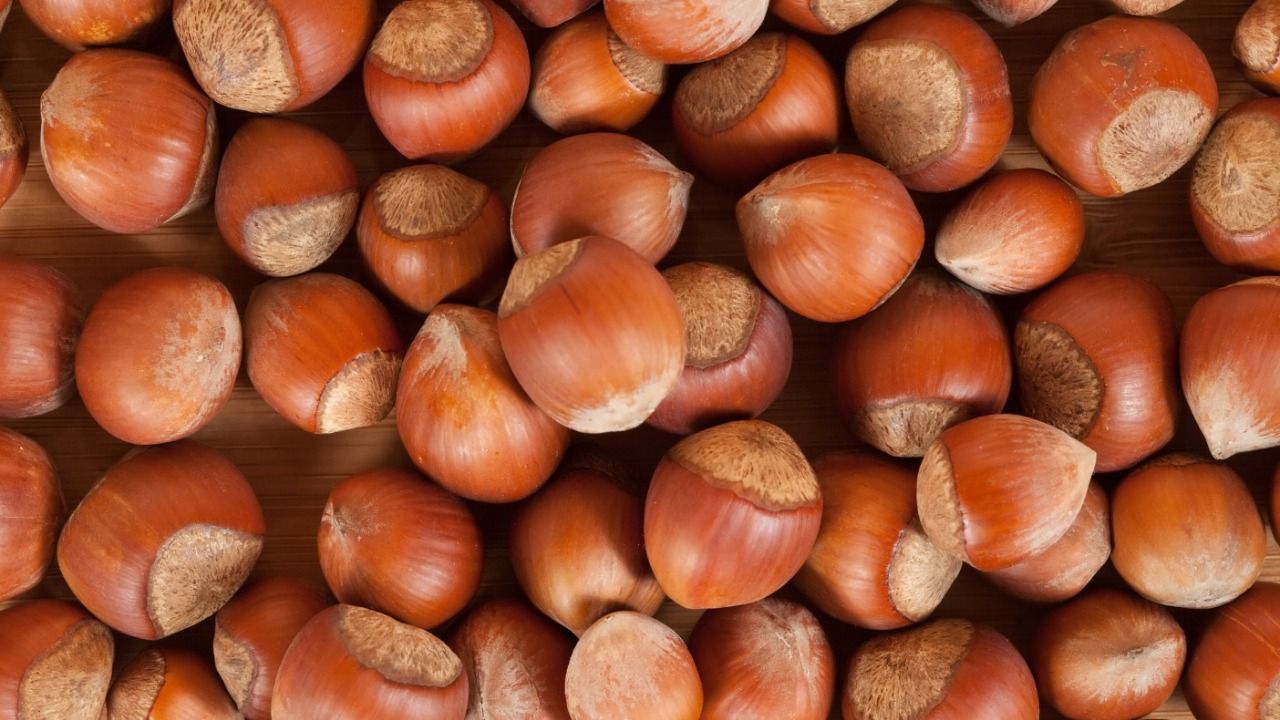
Local media in the Black Sea region report that the "scissors" between state and market prices has opened wide. In Samsun, prices ranged from 162.50 TRY to 174.75 TRY/kg on October 25, with limited trading activity due to the weekend. Producers in Ordu and Giresun are expressing frustration as the TMO's 250 TRY/kg price remains largely theoretical for those unable to meet TMO's strict quality and delivery criteria.
Context & numbers
The 2026 harvest volume estimates have been revised downward to 620,000–650,000 tonnes from initial projections of 700,000–750,000 tonnes, reflecting both weather impacts and quality losses. The TMO's 250 TRY/kg price represents a 28% increase over the previous season, yet global kernel prices remain soft due to cautious demand from European confectioners.
On the radar
- Quality Revisions: Expect potential further downward revisions in exportable kernel volumes as more samples undergo quality testing in European markets.
- Georgia's Struggles: The alternative origin of Georgia is facing its own crop difficulties, with mold rates of 3–6% in key zones, limiting its ability to compensate for Turkish quality shortfalls.
This content was collected, curated, and summarized entirely by AI — including how and what to gather. It may contain inaccuracies. Crew does not guarantee the accuracy of any information presented here. Always verify facts on your own before acting on them. Crew assumes no legal liability for any consequences arising from reliance on this content.
Powered by
