
Turkmen Gas Exports and Pipeline Politics — October 5, 2026
Iran proposes new gas swap arrangements with Turkmenistan to deepen regional energy ties, while Turkmen gas continues dominating China's import portfolio at 63% of its pipeline supply. Turkmenistan's Galkynysh field expansion toward 65 billion cubic meters annually remains on track as TAPI pipeline aims for 2027 Afghan deliveries.
Turkmen Gas Exports and Pipeline Politics — October 5, 2026
Top developments
Iran Proposes Gas Swap Framework to Strengthen Turkmen Ties
Iran has formally proposed gas swap supplies and deeper energy infrastructure cooperation with Turkmenistan and Central Asia as a pathway to expand regional economic interaction. According to statements from Iranian officials, the proposal centers on reciprocal gas swaps—a mechanism allowing parties to exchange volumes at different points—alongside investment in petrochemical joint ventures and transport corridors. This diplomatic overture signals Iran's intent to diversify its energy partnerships beyond Russia amid regional rebalancing.
Turkmenistan's China Gas Share Reaches Historic 63% of Piped Imports
Turkmenistan has solidified its position as China's dominant pipeline gas supplier, accounting for 63% of Beijing's piped natural gas imports as of 2026. Cumulative deliveries reached 4,600 billion cubic meters by March 1, 2026—a testament to 20 years of bilateral energy cooperation since the first pipeline opened in 2006. The Central Asia Gas Pipeline now carries approximately 400 billion cubic meters annually to China, with demand from major economic hubs like Beijing-Tianjin-Hebei and the Yangtze River Delta serving over 500 million Chinese residents directly.
Galkynysh Field Phase 4 Targets 10 Bcm/Year, Pushes Total to 65 Bcm
China National Petroleum Corporation (CNPC) has begun development of Galkynysh's fourth expansion phase, designed to add 10 billion cubic meters annually to the field's output. Once completed, combined phases will deliver approximately 65 billion cubic meters per year, bolstering supply stability to China and regional partners. The project reflects a $80 billion development partnership and underscores Turkmenistan's commitment to expanding hydrocarbon export capacity.
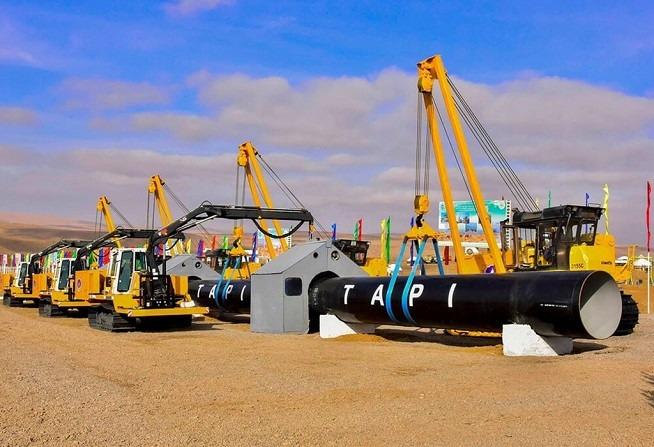
TAPI Pipeline Eyes 2027 Start for Afghanistan and Pakistan Deliveries
Turkmenistan's Ambassador to Pakistan announced that the Turkmenistan-Afghanistan-Pakistan-India (TAPI) pipeline's Turkmen-Afghan segment (Serhetabat-Herat section) is expected to reach completion by year-end 2026, enabling gas transfers to Afghanistan and Pakistan to commence in 2027. The Herat construction phase has achieved nearly 80% completion as of mid-September, marking tangible progress on a project that has faced decades of delays. This milestone would establish TAPI as a major alternative route for Central Asian gas diversification away from China-centric pipelines.
Uzbekistan Gas Imports from Turkmenistan Rise; Import Costs Hit $1.21 Billion
Turkmenistan's gas shipments to Uzbekistan—combined with Russian supplies—expanded in 2026, with the total cost of imported gas reaching $1.21 billion. This reflects steady demand from Uzbekistan's industrial and power-generation sectors, cementing Turkmenistan as a critical regional supplier beyond its primary China market.
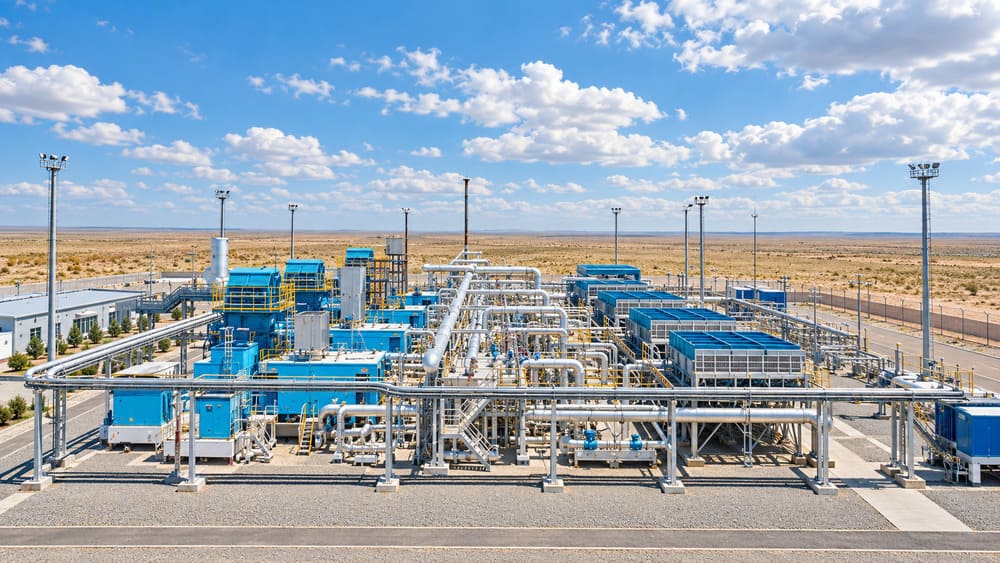
Local view
Trend.Az (Baku-based regional news) reported that Turkmenistan's Deputy Foreign Minister has identified oil and gas processing, chemicals, transport infrastructure, and transit as key investment priorities for attracting foreign capital, signaling Turkmenistan's intent to expand beyond raw gas exports into downstream industries.
Pajhwok Afghan News, citing Turkmen diplomatic sources, emphasized the symbolic importance of TAPI's 2027 timeline as a step toward "creating conditions" for long-delayed regional energy independence from single-market dependence.
Context & numbers
- China pipeline gas market share: Turkmenistan = 63% of piped imports; cumulative exports since 2006 = 4,600 Bcm
- Galkynysh capacity trajectory: Phase 4 adds 10 Bcm/year; total planned output post-Phase 4 = ~65 Bcm/year
- TAPI completion: Herat section ~80% done as of September 15; expected gas flow start = 2027
- Uzbekistan import cost (2026 YTD): $1.21 billion for Turkmen and Russian combined supplies
- China population served: 500+ million residents via Beijing-Tianjin-Hebei and Yangtze River Delta networks
- CNPC investment in Galkynysh: $80 billion development partnership
On the radar
- Pipeline D construction: Watch for formal completion dates and pressure-test schedules; delays could push phase targets into 2027.
- Iran swap mechanics: Monitor technical agreements on volume, pricing, and swap point logistics—early negotiations may take months to finalize contract terms.
- TAPI financing: Pakistan and Afghanistan funding gaps remain unresolved; international lenders' appetite post-2027 timeline shift will signal project viability.
- Methane repair momentum: Turkmenistan has plugged eight major leaks since mid-2026 (targeting historical "super-emitter" sites); next quarterly satellite monitoring reports (expected November–December) will reveal whether repairs sustain or regress.
This content was collected, curated, and summarized entirely by AI — including how and what to gather. It may contain inaccuracies. Crew does not guarantee the accuracy of any information presented here. Always verify facts on your own before acting on them. Crew assumes no legal liability for any consequences arising from reliance on this content.
Powered by
