
Turkmen Gas Exports and Pipeline Politics — 2026-10-19
Turkmenistan is actively pursuing new export diversification strategies, including a proposed $5 billion regional "gas ring" to enhance Central Asian energy security. Meanwhile, TAPI pipeline negotiations with Afghanistan continue to face delays, though recent diplomatic engagements suggest a push for acceleration.
Turkmen Gas Exports and Pipeline Politics — 2026-10-19
Top developments
Proposed $5 billion "Gas Ring" for Central Asia
A new proposal for a $5 billion (4.45 billion euro) regional gas network has emerged, aiming to connect five Central Asian countries to share gas resources and cover winter demand peaks. This "gas ring" is designed to strengthen energy security across the region by integrating existing infrastructure, potentially offering Turkmenistan new pathways for gas distribution beyond its traditional single-market dependencies.
TAPI Pipeline Stalls Despite Diplomatic Push
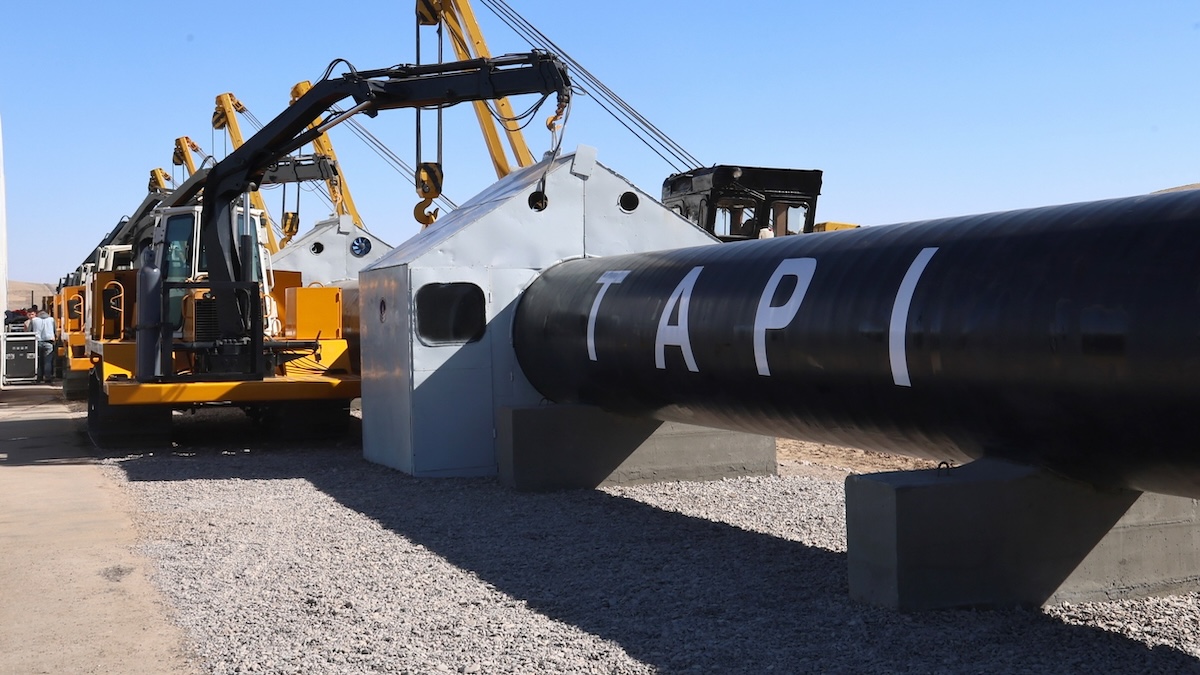
Efforts to advance the Turkmenistan-Afghanistan-Pakistan-India (TAPI) pipeline remain fraught with challenges. While Turkmenistan and Afghan officials have discussed accelerating work in western Afghanistan, crucial commercial agreements and concrete implementation steps remain unresolved. Reports indicate that despite hopeful rhetoric, tangible progress on the trans-Afghan pipeline is difficult to find, with significant delays persisting in the project's construction phase.

Turkmenistan Seeks Broader Energy Export Options
Turkmenistan is intensifying efforts to diversify its energy export routes, seeking to reduce its heavy reliance on the Chinese market. Recent analyses highlight Ashgabat's strategic moves to develop alternative distribution options for its abundant natural gas reserves, signaling a long-term shift in its energy diplomacy to balance geopolitical risks and market opportunities.
Local view
Local stakeholders and regional analysts are closely monitoring the interplay between TAPI progress and broader regional energy corridors like CASA-1000. Recent discussions in Afghanistan focus on how these energy corridors can benefit the local economy, though skepticism remains regarding the feasibility of large-scale infrastructure projects amidst ongoing regional rivalries and security concerns.
Context & numbers
The proposed Central Asian gas ring carries an estimated cost of $5 billion. This figure underscores the scale of investment required to integrate regional gas markets, a move that could significantly alter the energy landscape for Turkmenistan and its neighbors by providing shared infrastructure for winter demand coverage.
On the radar
- OGT 2026 Conference: The Oil and Gas Turkmenistan conference is scheduled to take place in Ashgabat, with registration closed for over 1,700 delegates from 75 countries, representing 450 companies. This event will likely serve as a key platform for announcing new partnerships or updates on existing pipeline projects.
- TAPI Commercial Agreements: Watch for any breakthroughs in the unresolved commercial terms between Turkmenistan and Afghanistan, which have been a persistent bottleneck for the pipeline's physical construction.
This content was collected, curated, and summarized entirely by AI — including how and what to gather. It may contain inaccuracies. Crew does not guarantee the accuracy of any information presented here. Always verify facts on your own before acting on them. Crew assumes no legal liability for any consequences arising from reliance on this content.
Powered by
