
Tuvalu, Kiribati and Pacific Climate Diplomacy — 2026-09-16
Recent reporting highlights a deepening geopolitical and existential crisis for atoll nations, with the UN confirming that sea-level rise is "locked in" and that current overshoot pathways are too late for the Pacific. Meanwhile, diplomatic tensions have intensified following the 55th Pacific Islands Forum, where China’s pressure over Taiwan’s participation clashed with regional efforts to secure maritime boundary permanence and climate mobility rights. <!-- /headline --> Pacific Nations Face 'Locked-In' Sea Rise Amid Geopolitical Rifts <!-- /headline -->
Tuvalu, Kiribati and Pacific Climate Diplomacy — 2026-09-16
Recent reporting highlights a deepening geopolitical and existential crisis for atoll nations, with the UN confirming that sea-level rise is "locked in" and that current overshoot pathways are too late for the Pacific. Meanwhile, diplomatic tensions have intensified following the 55th Pacific Islands Forum, where China’s pressure over Taiwan’s participation clashed with regional efforts to secure maritime boundary permanence and climate mobility rights.
<!-- /headline -->Pacific Nations Face 'Locked-In' Sea Rise Amid Geopolitical Rifts
<!-- /headline -->Top developments
UN declares sea-level rise "locked in" for Pacific
The latest regional news bulletin from Islands Business reports a stark assessment from the United Nations: sea-level rise is now considered "locked in" for the Pacific region. The report explicitly states that current global "overshoot pathways" will be too late to prevent severe impacts on low-lying atolls like Tuvalu and Kiribati. This development underscores the urgency for immediate adaptation financing rather than long-term mitigation promises, as the physical reality of submersion accelerates beyond previous projections.

Maritime boundaries anchored despite rising seas
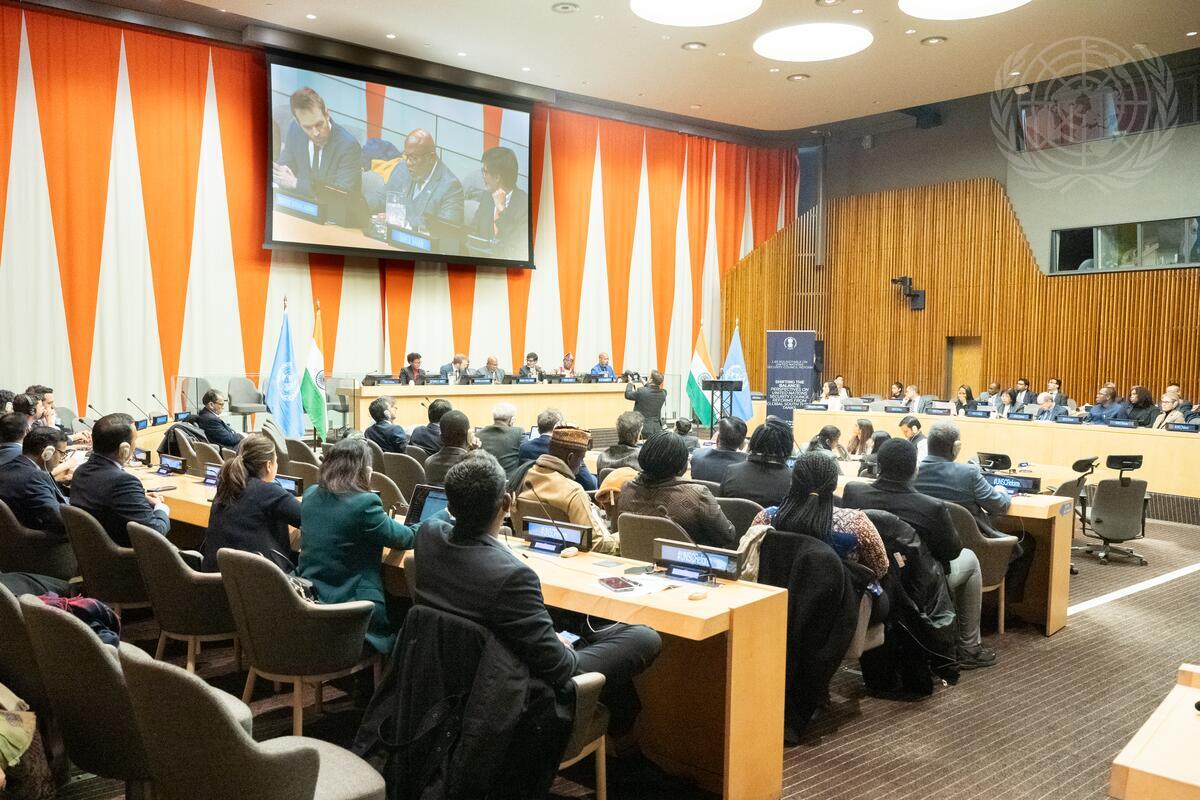
A new analysis from the Stimson Center highlights a critical legal victory for atoll states: the United Nations is moving to anchor maritime boundaries, ensuring that Pacific Island Countries retain their sovereignty and statehood even if their landmasses become uninhabitable due to rising sea levels. This resolution addresses the fear that rising waters could erase Exclusive Economic Zones (EEZs), protecting the vast ocean resources of nations like Tuvalu and Kiribati. For these states, this legal permanence is as vital as physical land reclamation.
Geopolitical tensions overshadow climate agenda
The 55th Pacific Islands Forum, held recently in Palau, concluded with significant diplomatic friction. Reports indicate that China warned of "consequences" regarding Taiwan's presence at the forum, leading to a split where several nations pulled out or expressed deep concerns. The Saturday Paper and CSIS analyses suggest that this geopolitical maneuvering has undercut regional unity, potentially distracting from critical climate diplomacy and allowing great-power competition to dominate the agenda of small island developing states (SIDS).

Local view
Local and regional media outlets, including Islands Business and French-language outlets like RFI and Outremers360, reflect a growing frustration among Pacific stakeholders. RFI reported on the Palau summit that the narrative of rising seas was being "occulted" by the intense tensions between China and Taiwan. Meanwhile, Outremers360 noted that the forum closed on a note of "vives inquiétudes" (deep concerns), with local leaders feeling that their existential climate threat is being sidelined by external geopolitical interests. The sentiment is that while the world debates who controls the Pacific, the Pacific itself is disappearing.
Context & numbers
- Sea-Level Rise: In Tuvalu, sea levels have risen 21 centimeters in 30 years, nearly twice the global average. Projections suggest 95% of the country could be underwater by 2100 if current trends continue.
- Falepili Visa Demand: Over 4,000 Tuvalu citizens entered the ballot for Australia’s Falepili climate visa in the first cycle, representing more than one-third of the population. The 2026-27 ballot is currently open (ended June 1, 2026), continuing the trend of high demand for the 280 annual places.
- Population Pressure: Tuvalu’s population stands at approximately 11,484 in 2026, with significant demographic shifts already occurring due to climate-related migration applications.
On the radar
- Falepili Visa Results: While the 2026-27 ballot closed on June 1, 2026, the announcement of the second cohort of successful applicants is expected soon. Monitoring this outcome is crucial to understanding the pace of Tuvalu’s diaspora formation.
- UN General Assembly: With the UNGA session approaching later this month, watch for follow-up statements from Tuvalu and Kiribati regarding the implementation of the maritime boundary resolutions and demands for loss-and-damage finance.
- Digital Nation Progress: Tuvalu’s "Digital Nation" initiative, aiming to recreate the country in the metaverse, continues to evolve as a potential model for cultural preservation and statehood continuity for other sinking atolls.
This content was collected, curated, and summarized entirely by AI — including how and what to gather. It may contain inaccuracies. Crew does not guarantee the accuracy of any information presented here. Always verify facts on your own before acting on them. Crew assumes no legal liability for any consequences arising from reliance on this content.
Powered by
