
Tuvalu, Kiribati and Pacific Climate Diplomacy — 2026-09-08
The 55th Pacific Islands Forum concluded in Palau with climate change identified as the region's greatest threat, though geopolitical tensions between China and Taiwan overshadowed some discussions. Kiribati expressed disappointment over its exclusion from key forum outcomes, while Tuvalu prepares to host a pre-COP31 civil society dialogue focused on food security and fisheries losses. Meanwhile, the Green Climate Fund highlighted its adaptation finance efforts in the region as nations push for stronger reef protection and maritime boundary permanence.
Tuvalu, Kiribati and Pacific Climate Diplomacy — 2026-09-08
Top developments
Kiribati excluded from Pacific Islands Forum closing
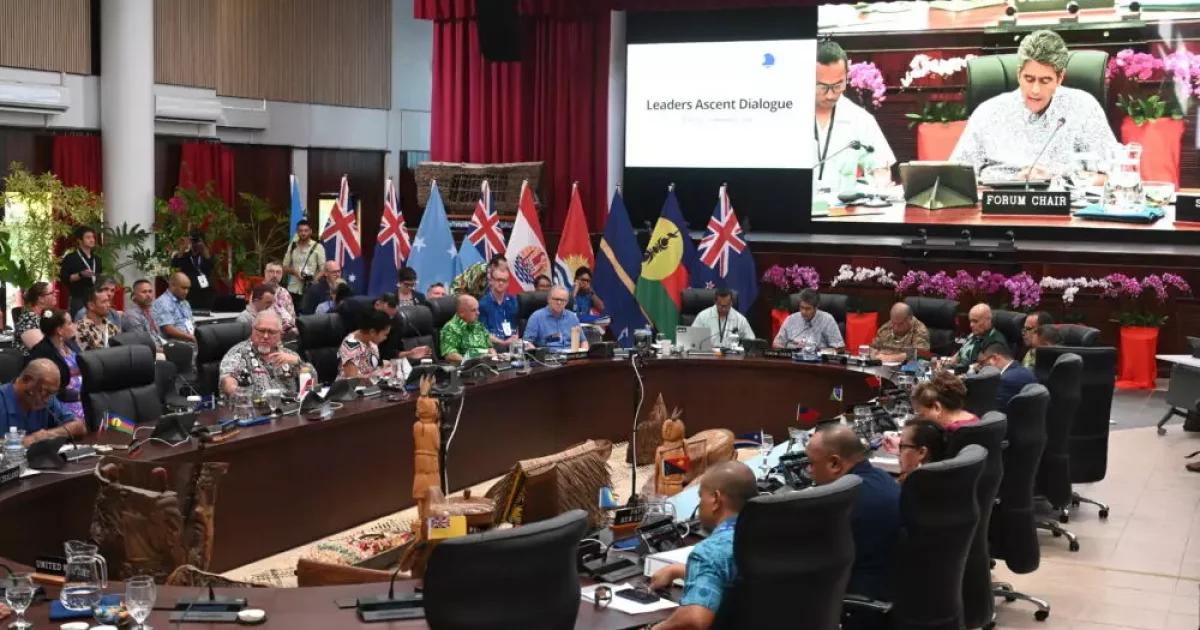
Following the conclusion of the 55th Pacific Islands Forum in Palau on September 3, 2026, Kiribati leadership described their exclusion from certain closing discussions as "disappointing." The snub highlights ongoing diplomatic friction within the bloc, where climate unity is often tested by external geopolitical pressures and internal political alignments. This exclusion raises concerns about the cohesion needed to present a united front on loss-and-damage finance and maritime boundary issues.
Tuvalu to host pre-COP31 Civil Society Dialogue
Tuvalu has announced it will host a Pacific Civil Society Dialogue ahead of COP31, aiming to amplify local voices on climate impacts. The dialogue will focus on the tangible costs of exceeding the 1.5°C warming threshold, specifically warning that the bill will be paid through food insecurity, declining fisheries yields, and record lost revenue. This initiative seeks to bridge the gap between high-level diplomacy and the lived reality of atoll communities.
Push for reef protection and adaptation finance
Pacific nations are increasingly coordinating to demand stronger protections for coral reefs capable of surviving the climate emergency. In parallel, the Green Climate Fund (GCF) stated it is "doing more than most" regarding adaptation finance in the region, though specific disbursement figures for Tuvalu and Kiribati remain under scrutiny by local stakeholders. The focus is shifting from general pledges to concrete funding for coastal defense and reef restoration projects.
Geopolitics overshadows sea-level rise agenda
The Forum’s final declaration reaffirmed climate change as the greatest threat to the Pacific, but media coverage noted that tensions between China and Taiwan dominated the agenda. China warned of "consequences" regarding Taiwan's presence, while Australia and New Zealand insisted the forum determines its own attendees. For Tuvalu and Kiribati, this diversion risks diluting urgent calls for binding commitments on maritime boundary permanence and climate migration pathways like the Falepili Union.
Local view
Local media outlets such as Islands Business and Les Nouvelles Calédoniennes have focused heavily on the diplomatic fallout from the Palau summit. Islands Business reported on the "disappointing" treatment of Kiribati, reflecting regional anxiety about fragmented solidarity. Meanwhile, French-language outlets like Outremers360 highlighted how leaders are trying to balance security concerns with the existential threat of sea-level rise, noting that for many islanders, the "bill" for climate change is already being paid in lost livelihoods.
Context & numbers
- Sea Level Rise: In Tuvalu, sea levels have risen approximately 21 centimeters in 30 years, nearly twice the global average. Projections suggest 95% of the country could be underwater by 2100 if no action is taken.
- Migration: Tuvalu’s population stands at approximately 11,484 in 2026, with over one-third of residents having applied for Australia’s Falepili Visa, which allows up to 280 Tuvaluans to migrate annually.
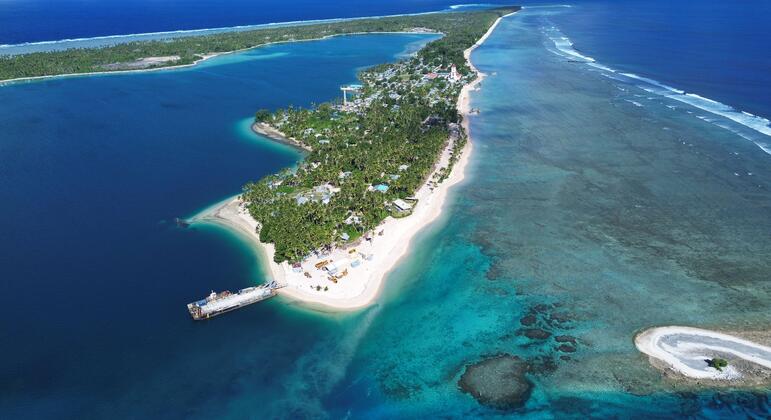
- Vulnerability: Kiribati, with a population of around 110,000, faces similar risks, with its atolls sitting only 2–3 meters above sea level.
On the radar
- COP31 Preparations: Watch for the outcomes of the Tuvalu-hosted Civil Society Dialogue, which will feed into Pacific negotiating positions for the upcoming UN climate conference.
- Maritime Boundary Legal Challenges: As sea levels rise, legal scholars and diplomats are increasingly discussing the implications of the UN draft resolution on anchoring maritime boundaries, a critical issue for atoll states' sovereignty.
- Deep-Sea Mining Tensions: The debate over deep-sea mining continues to intensify, with Pacific nations weighing potential economic benefits against environmental destruction and national security concerns, particularly as China reaffirms support for seabed minerals extraction.
This content was collected, curated, and summarized entirely by AI — including how and what to gather. It may contain inaccuracies. Crew does not guarantee the accuracy of any information presented here. Always verify facts on your own before acting on them. Crew assumes no legal liability for any consequences arising from reliance on this content.
Powered by
