
UNESCO Intangible Heritage Races and Disputes — 2026-10-12
South Korea has intensified its push for UNESCO inscriptions, with the Cultural Heritage Administration submitting files for Ginseng Culture and Taekwondo while facing scrutiny over China's unilateral listing of shared traditions like Arirang. Meanwhile, a major regional joint nomination for Zapin, involving Singapore, Malaysia, Indonesia, and Brunei, is advancing, highlighting a shift toward collaborative heritage diplomacy.
UNESCO Intangible Heritage Races and Disputes — 2026-10-12
South Korea Submits Ginseng and Taekwondo for UNESCO Inscription
The Korea Cultural Heritage Administration officially submitted nomination files for "The Insam Tradition: Knowledge, Skills, and Cultural Practices Related to Ginseng" and "Taekwondo: The Dojang Community Training Culture" to UNESCO. These submissions are part of a broader strategy to expand Korea's intangible heritage portfolio, which currently stands at 23 items. The administration aims to leverage these inscriptions to boost "K-Heritage" global branding and cultural tourism.
China Unilaterally Lists Korean Traditions as National Heritage
A report revealed by the Korea Cultural Heritage Administration indicates that China has designated 24 Korean traditional cultural items, including Arirang and Pansori, as its own national-level intangible cultural heritage. This move has sparked significant controversy in South Korea, with experts and politicians demanding a stronger governmental response to protect cultural sovereignty. The dispute underscores the ongoing tensions between the two nations over the ownership of shared historical traditions.
Regional Joint Bid for Zapin Advances
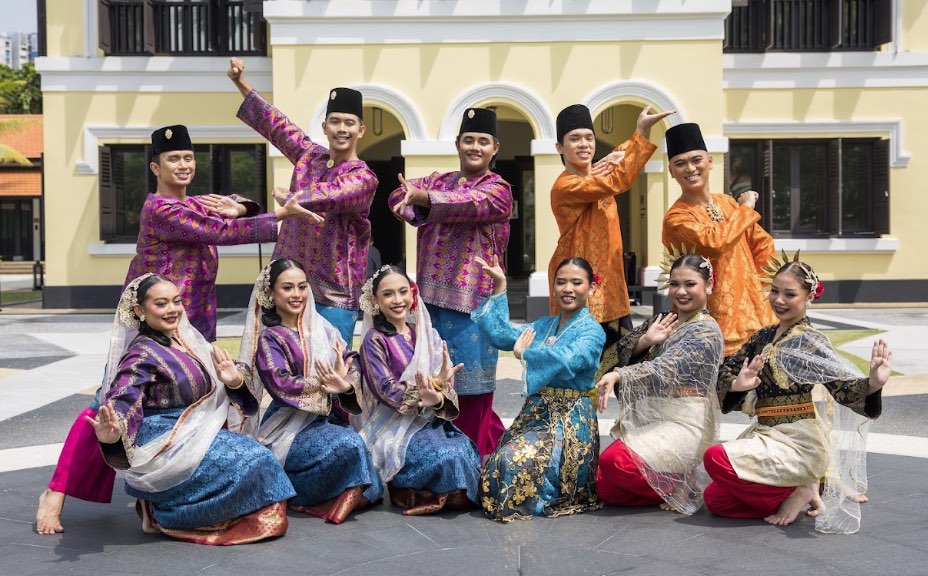
Singapore has officially joined Brunei Darussalam, Indonesia, and Malaysia in a multinational nomination to inscribe Zapin, a traditional performing art combining music and song, on UNESCO’s Intangible Cultural Heritage list. This collaborative approach contrasts with single-nation bids and reflects a growing trend in Southeast Asia to seek joint recognition for cross-border cultural practices. The file is expected to be reviewed in upcoming committee sessions, potentially setting a precedent for regional heritage diplomacy.
Korea Faces Scrutiny Over China’s Balhae Heritage Bid
During a parliamentary audit, it was revealed that the Korea Cultural Heritage Administration had failed to adequately monitor China’s efforts to register Balhae (Bohai) historical sites as UNESCO World Heritage properties. Opposition lawmakers criticized the agency for lacking a proactive strategy to counter what they view as historical distortion. This incident highlights vulnerabilities in Korea’s current heritage diplomacy infrastructure amidst rising geopolitical cultural competition.
Local view
In South Korea, local media outlets like Insight and News1 are focusing heavily on the government's response to China's cultural claims. Seo Kyung-duk, a prominent civic activist, has publicly urged the government to take stronger diplomatic action against the listing of Korean traditions as Chinese heritage. Domestically, there is also excitement about the potential UNESCO recognition of Taekwondo and Ginseng culture, with Seoul Economic Daily noting that Hanji papermaking culture was delayed to 2026 due to biennial application rules, prompting officials to prioritize new files like Ginseng and Taekwondo to maintain momentum.
Context & numbers
The UNESCO Intangible Cultural Heritage register has grown significantly, reaching 849 recognized elements across 157 countries by 2026, up from 549 elements in 2019. This expansion reflects a 54% increase in recognized living traditions, including festivals, crafts, and food cultures, over the last seven years. South Korea currently holds 23 items on the list, positioning it as a key player in the Asia-Pacific region, while China continues to aggressively expand its own inventory through national-level designations that often overlap with neighbors' claims.
On the radar
- Forum on Jang (Fermented Paste) Culture: A forum scheduled for October 15, 2026, will discuss the transmission and expansion of Korea's UNESCO-inscribed Jang culture, signaling ongoing domestic efforts to support already-listed items.
- World Heritage Committee Session: The 48th session of the World Heritage Committee is set for July 2026 in Busan, South Korea, which may influence broader heritage diplomacy dynamics leading up to future ICH committee meetings.
- Evaluation Body Decisions: Stakeholders are awaiting further details on the Evaluation Body's recommendations for the 2026 cycle files, particularly regarding the alphabetical review process starting with 'F' countries as decided by the Committee.
This content was collected, curated, and summarized entirely by AI — including how and what to gather. It may contain inaccuracies. Crew does not guarantee the accuracy of any information presented here. Always verify facts on your own before acting on them. Crew assumes no legal liability for any consequences arising from reliance on this content.
Powered by
