
UNESCO Intangible Heritage Races and Disputes — 2026-10-26
UNESCO’s Intergovernmental Committee is preparing for its 21st session in Xiamen, China, where 64 nominations from 82 countries will be examined for inscription on the Intangible Cultural Heritage lists. Key developments include South Korea’s urgent push for the "Hanji" (traditional paper) inscription, local opposition to World Heritage listings in Seoul, and renewed tensions between Algeria and Morocco over cultural heritage claims.
UNESCO Intangible Heritage Races and Disputes — 2026-10-26
Top developments
Xiamen Session Set to Examine 64 Nominations
The Intergovernmental Committee for the Safeguarding of the Intangible Cultural Heritage will hold its twenty-first session from 30 November to 5 December 2026 in Xiamen, China. The committee will examine nominations for 64 elements submitted by 82 countries, with a focus on joint submissions and safeguarding practices. This session is critical for countries seeking to expand their cultural portfolios on the global stage.

South Korea’s "Hanji" Inscription Push
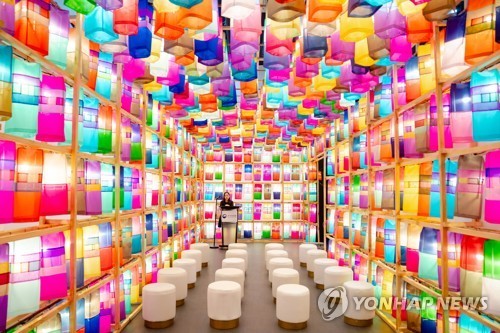
South Korean officials are intensifying efforts to secure the inscription of "Traditional knowledge, skills and cultural practices related to Hanji-making" on the Representative List. National Heritage Administration Head Heo Min stated that the government is making "all-out efforts" to promote "K-Heritage" globally, with the decision expected at the December session. This follows a previous delay where the inscription was not finalized in the prior cycle, prompting renewed political and cultural advocacy.
Local Opposition to World Heritage in Seoul
In a significant local dispute, approximately 3,500 residents in Seoul’s Jung-gu district have opposed the UNESCO World Heritage listing of Hanyangdoseong (Seoul City Wall). The residents argue that the designation would impose strict regulations, delaying local redevelopment projects and infringing on property rights. This highlights the growing friction between global heritage recognition and local economic interests in South Korea.

Morocco-Algeria Heritage Tensions Flare Again
A promotional video released by the Algerian Ministry of National Defense has reignited a diplomatic dispute over cultural heritage. Moroccan media outlets report that the video used historical monuments and cultural symbols associated with Morocco in its official communications, sparking accusations of cultural appropriation. This incident underscores the ongoing sensitivity surrounding the ownership and representation of North African traditions in international forums.
Local view
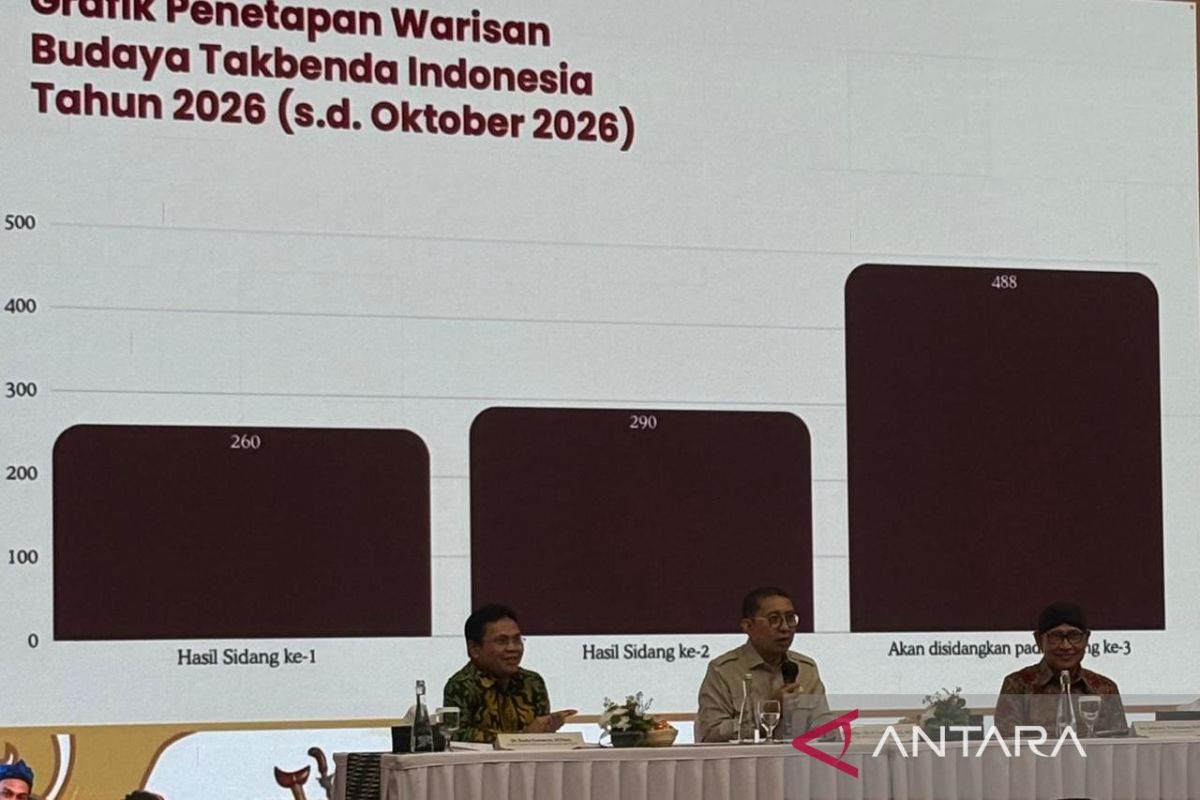
Indonesian media reports that the country’s Culture Ministry is aggressively expanding its domestic heritage registry, receiving 1,534 proposals for Intangible Cultural Heritage (WBTb) from 38 provinces. The ministry aims to register 1,038 items in 2026, reflecting a strategic domestic consolidation of cultural assets before international submissions.
Context & numbers
The global landscape of intangible heritage is expanding rapidly. As of 2026, UNESCO’s Intangible Cultural Heritage register includes 849 recognized elements across 157 countries, up from 549 in 2019. This growth reflects a 9.6% surge in cultural tourism, driving nations to compete for listings that boost soft power and tourism revenue.

On the radar
- Xiamen Session (Nov 30 – Dec 5, 2026): The primary event for the upcoming year, where final decisions on the 64 nominations will be made.
- Hanji Decision Watch: South Korean cultural sectors are closely monitoring the committee's verdict on Hanji, which has been a point of pride and potential diplomatic friction in East Asia.
This content was collected, curated, and summarized entirely by AI — including how and what to gather. It may contain inaccuracies. Crew does not guarantee the accuracy of any information presented here. Always verify facts on your own before acting on them. Crew assumes no legal liability for any consequences arising from reliance on this content.
Powered by
