
UNESCO Intangible Heritage Races and Disputes — 2026-09-17
South Korea is actively pursuing UNESCO Intangible Cultural Heritage (ICH) status for its traditional *Ondol* (floor heating) culture and *Taekwondo*, while simultaneously seeking to return to the ICH Committee after a failed 2026 bid. Meanwhile, Haiti’s *Soup Joumou* faces renewed cultural scrutiny in Caribbean media, highlighting the ongoing debate over food heritage ownership and historical narratives.
UNESCO Intangible Heritage Races and Disputes — 2026-09-17
Top developments

Korea Launches Global Campaign for "K-Ondol" Inscription
On September 2, 2026, the National Ondol Culture Transmission and Expansion Promotion Committee, in collaboration with Kangwon National University, officially launched a campaign to promote South Korea’s traditional floor heating system, Ondol, for inscription on UNESCO’s Representative List of the Intangible Cultural Heritage of Humanity. The initiative aims to document and disseminate the unique heating technology globally, positioning it as a key element of Korean cultural identity. This move comes as Korea seeks to strengthen its cultural diplomacy portfolio following its failure to secure a seat on the Intergovernmental Committee in June 2026.
Taekwondo and Ginseng Culture Advance Toward Nomination
The Korea Cultural Heritage Administration has confirmed that nominations for Taekwondo and Ginseng Culture are progressing toward submission for UNESCO ICH listing. While Taekwondo has long been a candidate, the administration’s recent 2026 work plans explicitly prioritize its inscription, framing it as a "root of K-Culture." The Ginseng Culture nomination, submitted earlier in 2026, emphasizes the holistic practices of cultivation, processing, and sharing, aiming to distinguish it from purely commercial or medicinal interpretations. These bids are part of a broader strategy to expand Korea’s ICH portfolio ahead of the next committee sessions.
Soup Joumou Faces Historical Scrutiny in Caribbean Media
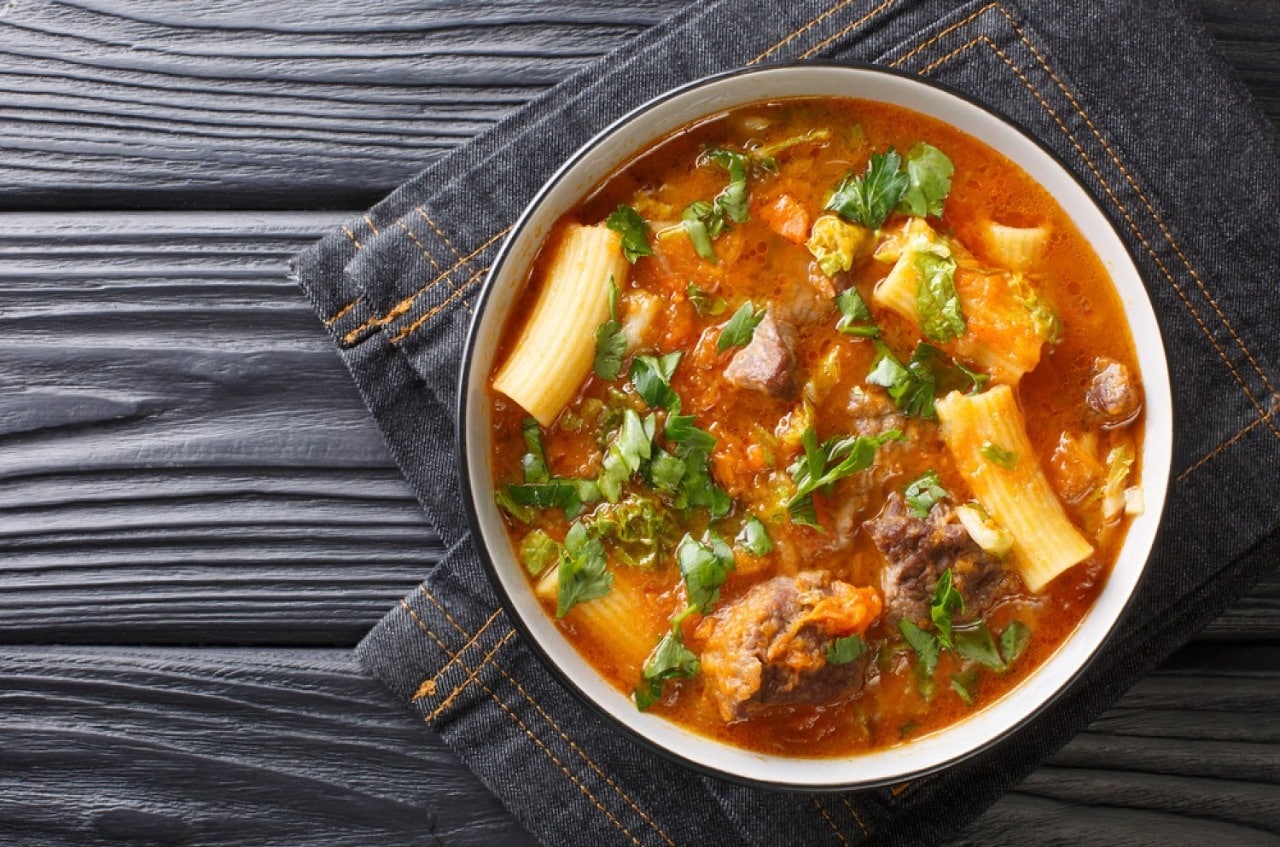
Haiti’s Soup Joumou, the only Caribbean dish inscribed on UNESCO’s ICH list, is facing renewed public debate regarding its historical narrative. Recent articles highlight how the dish, traditionally consumed on January 1st to commemorate independence from French colonial rule, is subject to varying interpretations across the Caribbean diaspora. Local stakeholders argue that the UNESCO inscription has sparked both pride and contention over who "owns" the narrative of this culinary tradition, with some critics suggesting the simplified UNESCO description overlooks complex regional variations and shared histories with neighboring nations.
Joint Nominations Gain Momentum as Ownership Disputes Ease
A shift is emerging in how nations handle contested heritage, with a move away from exclusive ownership claims toward joint nominations. Recent discussions in Korean media highlight that the international community is increasingly accepting "joint inscription" models to resolve disputes over shared traditions, such as martial arts or culinary practices. This trend aims to reduce diplomatic friction and allow multiple countries to share credit for common cultural elements, potentially easing tensions in regions like East Asia where similar traditions are practiced across borders.
Local view
In South Korea, local media outlets like Herald Economy and Korean Vibe are actively covering the government’s push to brand Ondol as "K-Ondol," emphasizing its technological uniqueness compared to Western heating systems. Stakeholders argue that UNESCO recognition will boost cultural tourism and soft power. Meanwhile, in Haiti, outlets like Riches Karayib report that local chefs and historians are using the UNESCO status to advocate for greater preservation of traditional cooking methods, though they note growing frustration with the lack of specific safeguarding funding tied to the inscription.
Context & numbers
- Committee Seat Failure: In June 2026, South Korea finished fifth among six Asia-Pacific candidates in its bid to rejoin the UNESCO Intergovernmental Committee for ICH, delaying its direct influence on nomination decisions until at least 2028.
- Global Inscriptions: As of the December 2025 session in New Delhi, 67 new elements were inscribed, bringing the total number of listed items to over 800 since the convention's inception. Food-related elements continue to be one of the fastest-growing categories, with approximately 50 traditional culinary practices currently listed.
On the radar
- Busan World Heritage Session: The 48th session of the World Heritage Committee will be held in Busan, South Korea, from July 19–29, 2026. While this is for tangible sites, it serves as a major diplomatic platform for Korean cultural officials to network and advance ICH agendas informally.
- Next ICH Committee Session: The next regular session of the Intergovernmental Committee is expected in late 2026 or early 2027. Nominations for Ondol and Taekwondo must be finalized well in advance to meet evaluation deadlines.
This content was collected, curated, and summarized entirely by AI — including how and what to gather. It may contain inaccuracies. Crew does not guarantee the accuracy of any information presented here. Always verify facts on your own before acting on them. Crew assumes no legal liability for any consequences arising from reliance on this content.
Powered by
