
UNESCO Intangible Heritage Races and Disputes — 2026-09-08
South Korea has launched a formal campaign to inscribe "K-Ondol" (traditional underfloor heating) on UNESCO’s Intangible Cultural Heritage list, while India added Nicobarese cultural continuity to its World Heritage tentative list. Meanwhile, the International Solidarity Committee for Comfort Women Records intensified pressure on UNESCO to resolve the decade-long stalemate regarding the inscription of comfort women archives, highlighting ongoing diplomatic friction in heritage recognition.
UNESCO Intangible Heritage Races and Disputes — 2026-09-08
Top developments
South Korea launches "K-Ondol" inscription campaign
On September 2, 2026, the National Ondol Culture Promotion and Dissemination Committee and Kangwon National University’s Central Museum announced a concerted effort to promote Korea’s traditional ondol heating system for UNESCO Intangible Cultural Heritage inscription. This initiative aims to safeguard and globalize this unique domestic heating technology, positioning it as a key element of Korean living heritage. The move signals a new phase in Korea's strategic use of intangible heritage nominations to bolster cultural soft power.

India adds Nicobarese culture to World Heritage Tentative List
The Archaeological Survey of India (ASI) submitted "Nicobarese Cultural Continuity in Central Group of Nicobar Islands" to the UNESCO World Heritage Centre on May 22, 2026, with local media reporting the development widely in early September 2026. The site is recorded as a cultural property in the Nancowrie subdivision under World Heritage criteria (iii). While this is a World Heritage (tangible/site) listing rather than Intangible Cultural Heritage, it reflects India’s broader strategy of leveraging UNESCO mechanisms for regional heritage recognition.

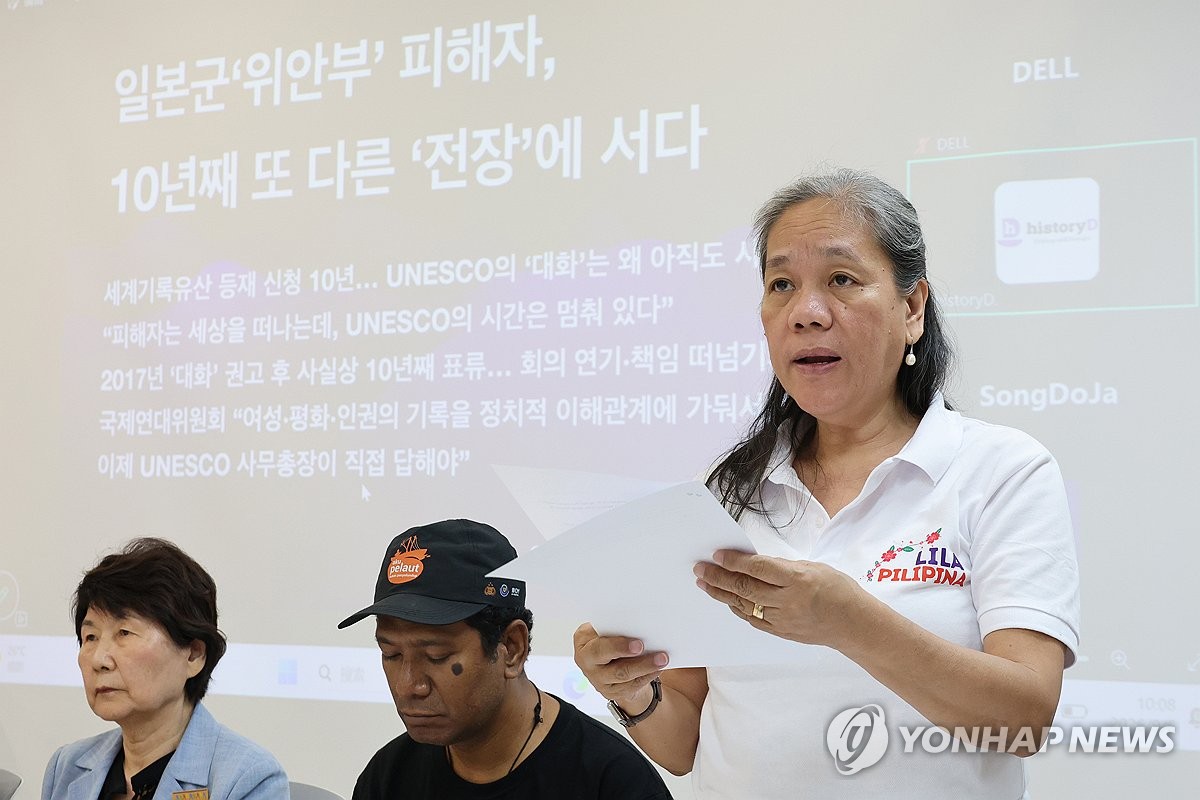
Pressure mounts on UNESCO over Comfort Women records
On September 6, 2026, the International Solidarity Committee marked the 10th anniversary of their nomination for the UNESCO Memory of the World Register (distinct from ICH but part of the broader UNESCO heritage ecosystem) and demanded UNESCO stop procedural delays. The committee criticized the organization for failing to reach a conclusion after a decade, citing political interference, particularly from Japan, as a primary obstacle. This renewed call underscores the persistent politicization of UNESCO’s heritage lists.
UNESCO launches new Decade of Culture for Sustainable Development
UNESCO announced that it will lead the implementation of the International Decade of Culture for Sustainable Development (2027-2036), a renewed global ambition to integrate culture into sustainable development frameworks. This initiative, highlighted in early September 2026, sets the stage for future heritage policy directions and may influence how member states prioritize and frame their intangible heritage nominations in the coming years.

Local view
In South Korea, Herald Corp and Yonhap News have framed the "K-Ondol" initiative as a critical step in preserving national identity and expanding cultural exports, emphasizing the role of academic institutions like Kangwon National University. Meanwhile, Nicobar Times celebrated the ASI’s submission as a significant validation of the indigenous Nicobarese community’s cultural continuity, highlighting local pride in gaining international visibility for their traditions.
Context & numbers
The upcoming UNESCO Intangible Cultural Heritage Committee sessions continue to see high volumes of nominations, with recent sessions examining over 60 elements each. The "K-Ondol" campaign joins a growing list of Korean initiatives, following previous successes like Kimchi and Taekwondo, aiming to secure more slots on the Representative List. The Comfort Women records issue remains a prominent outlier, having stalled for 10 years since the initial application in 2016, contrasting with the faster processing times for less politically sensitive culinary and craft traditions.
On the radar
- Jindo International Intangible Culture Conference: Scheduled for September 16–18, 2026, in Jindo County, South Korea, focusing on "Living Heritage, Opening Together," which may generate further proposals or discussions on intangible heritage preservation strategies.
- Next Committee Session: Stakeholders are monitoring preparations for the next Intergovernmental Committee session, where the fate of pending nominations like "K-Ondol" and the resolution of long-standing disputes will be debated.
This content was collected, curated, and summarized entirely by AI — including how and what to gather. It may contain inaccuracies. Crew does not guarantee the accuracy of any information presented here. Always verify facts on your own before acting on them. Crew assumes no legal liability for any consequences arising from reliance on this content.
Powered by
