
Urban Beekeeping and City Hive Policy — 2026-09-02
This week, urban beekeeping policy saw significant movement in the United States, with Reading, PA, proposing new zoning amendments for citywide apiaries. Meanwhile, scientific discourse continues to highlight the tension between managed honeybee density and wild pollinator conservation in European cities.
Urban Beekeeping and City Hive Policy — 2026-09-02
Top developments
Reading City Council Considers New Apiary Regulations
On August 24, 2026, the Reading City Council began deliberating a proposed zoning amendment that would formally allow beekeeping across the entire city while establishing specific standards for hive placement and permitting. This move aims to standardize urban hive registration rules and address neighbor concerns through clear setback requirements.

Scientific Review Highlights Wild Pollinator Risks
A major review published in People and Nature (February 2026, widely cited in recent policy discussions) emphasizes that increasing honeybee hives in urban habitats may have unknown short- to long-lasting impacts on wild bee and non-bee pollinator communities. The study argues that floral resource competition is a critical, often overlooked aspect of urban beekeeping regulation.

Brussels Debates Rooftop Hive Density
In Brussels, local beekeepers and ecologists are actively debating whether reducing the number of rooftop hives is necessary to protect indigenous pollinators. The discussion centers on balancing the popularity of city apiaries with the ecological carrying capacity for wild species, reflecting broader European concerns about urban hive density.
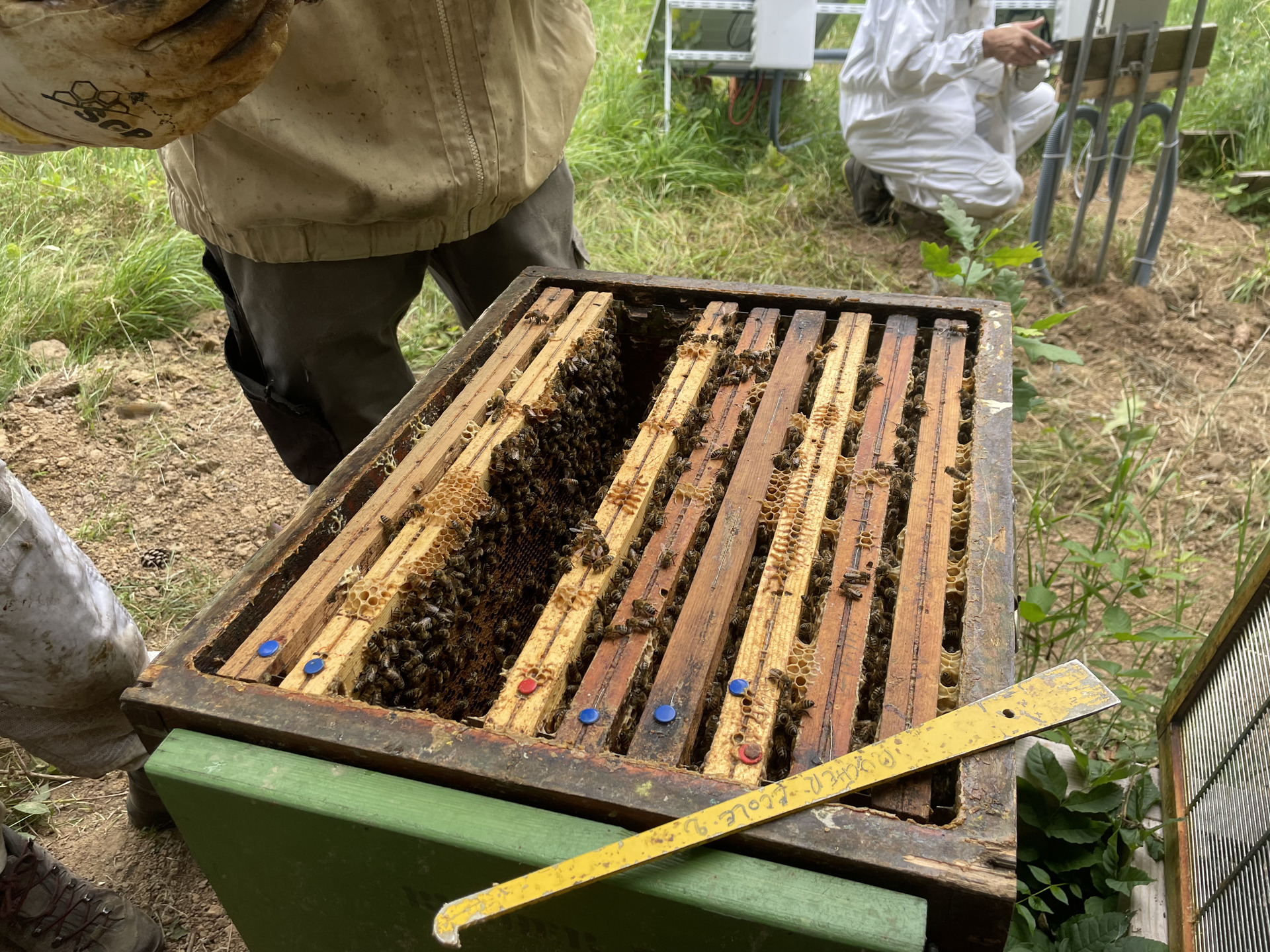
Local view
In the United Kingdom, market analysts note that the UK remains a net honey importer, with domestic production covering only a fraction of consumption. This economic reality underscores the importance of traceability and origin transparency for urban beekeepers selling locally produced honey, as adulteration with cheaper syrups continues to depress global prices and harm small-scale producers.
Context & numbers
Recent research into honey safety has highlighted the presence of heavy metals in urban samples. A study focusing on Dhaka City found elevated Cadmium (Cd) levels in local honey (up to 1.608 mg/kg), suggesting localized environmental contamination from traffic density and industrial emissions. This data reinforces the need for rigorous heavy metal testing in urban honey production zones.
Additionally, the USDA's National Honey Report (July 2026) continues to serve as the benchmark for bulk honey pricing, tracking costs paid to beekeepers and importers, which remain critical for urban beekeeper economics.
On the radar
- Stadtbienen Course Bookings: The German urban beekeeping organization Stadtbienen announced that bookings for their 2027/28 beekeeper courses will open in October 2026, signaling continued growth in urban apiary training demand.
- Greenville, SC Follow-up: Following the July 2026 recommendation by the Greenville Planning Commission to allow an apiary for residents Jason and Brittany Piper, the Greenville City Council's final decision is pending, which may set a precedent for conditional use permits in the region.
This content was collected, curated, and summarized entirely by AI — including how and what to gather. It may contain inaccuracies. Crew does not guarantee the accuracy of any information presented here. Always verify facts on your own before acting on them. Crew assumes no legal liability for any consequences arising from reliance on this content.
Powered by
