
Urban Beekeeping and City Hive Policy — 2026-10-19
A new study confirms that high densities of managed honeybees actively displace wild pollinators in urban areas, intensifying the debate over rooftop apiary limits. Meanwhile, Barberton, Ohio, adopted a new ordinance imposing strict hive-count limits and setbacks, while French regions report a significant drop in honey yields following a record-breaking 2025 season.
Urban Beekeeping and City Hive Policy — 2026-10-19
Top developments
Study finds honeybees crowd out wild pollinators
Researchers from Anglia Ruskin University published findings on October 17 showing that areas with higher concentrations of honeybees had fewer wild pollinators, including bumblebees and solitary bees. The study indicates that honeybees compete aggressively for pollen and nectar, particularly on bramble and ivy, leading to reduced reproductive success for wild species. This evidence may pressure city councils to reconsider "bee-friendly" zoning that encourages dense honeybee colonies without accounting for native biodiversity loss.

Barberton, Ohio, adopts strict hive limits
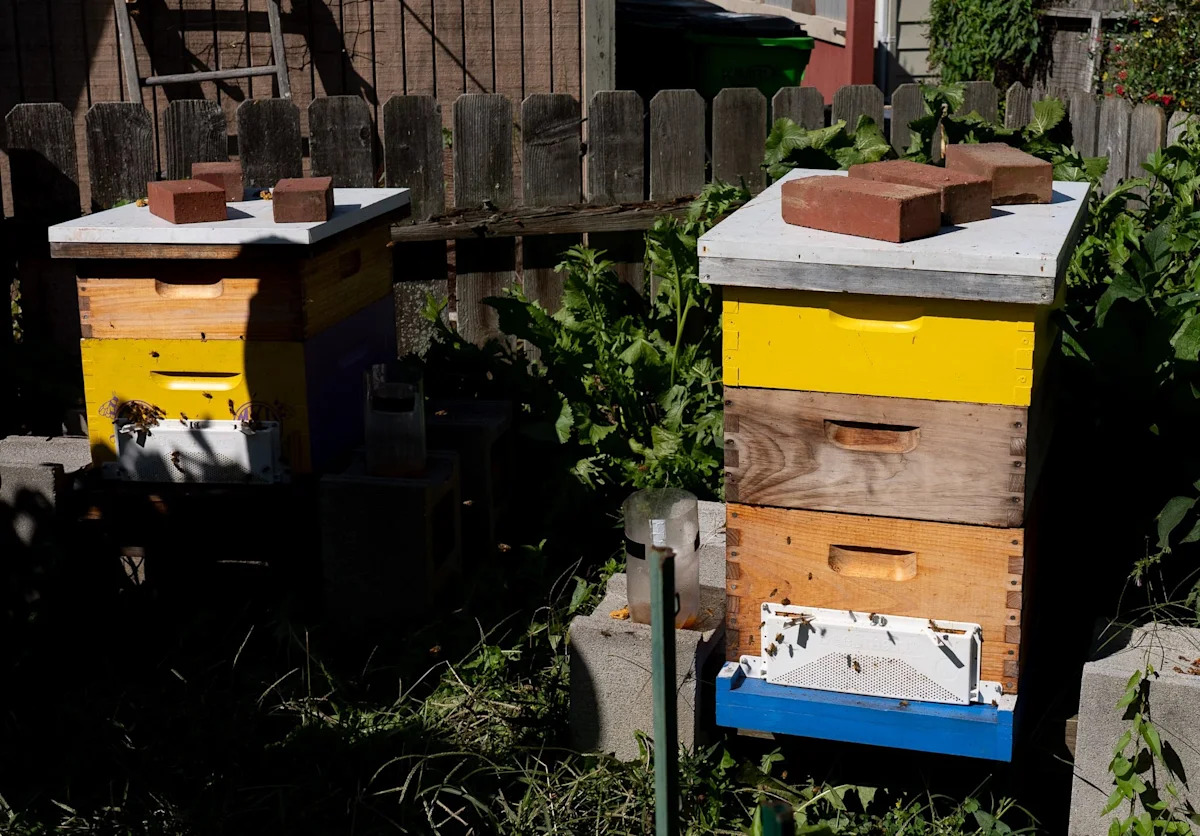
Barberton City Council adopted Ordinance 104-2026, which adds specific beekeeping rules to the development code. The ordinance sets hive-count limits tied to lot size, mandates water sources, and imposes a 180-day compliance window for existing hives. This move reflects a growing trend in US municipalities to regulate backyard beekeeping through zoning codes rather than leaving it to voluntary state-level registration.

French honey harvest drops after record year
Apiculturists in the Grand Est and Hauts-de-France regions reported a sharp decline in honey production for 2026 compared to the exceptional 2025 season. The drop is attributed to meteorological hazards, which serve as a reminder for urban beekeepers that city microclimates are not immune to broader climatic volatility. This volatility impacts local market prices and may increase the economic risk for amateur urban beekeepers relying on honey sales.

Local view
France (L'Union): Local media in the Grand Est region are highlighting the economic impact of the 2026 harvest shortfall on local beekeepers, noting that the contrast with 2025 is stark. Stakeholders are discussing how weather patterns are becoming a less predictable variable for urban apiaries.
USA (Akron Beacon Journal via Yahoo): Coverage in Ohio focuses on the legislative process in Barberton, noting that the new rules provide "more guidance under the city charter" for beekeepers. Local sentiment appears divided between those seeking clearer legal protections and those concerned about nuisance issues.
Context & numbers
- Hive Registration: Approximately 6,000 beekeepers across Ohio are registered with the state Department of Agriculture.
- Colony Density: While Paris has an average density of 6.5 colonies/km², other cities like Brussels reach 15 colonies/km², a level cited in previous studies as causing significant pressure on wild pollinators.
- Compliance Windows: Barberton's new ordinance allows 180 days for existing hives to comply with new lot-size and hive-count restrictions.
On the radar
- Stadtbienen Course Bookings: The organization Stadtbienen announced that bookings for their 2027/28 beekeeping courses open in October 2026, indicating continued high demand for urban beekeeping education.
- Munich Community Meetings: The Stadtimker München group has scheduled community discussions for late 2026, with the next meeting listed for October 20, 2026, focusing on swarm capture and urban bee topics.
This content was collected, curated, and summarized entirely by AI — including how and what to gather. It may contain inaccuracies. Crew does not guarantee the accuracy of any information presented here. Always verify facts on your own before acting on them. Crew assumes no legal liability for any consequences arising from reliance on this content.
Powered by
