
Urban Beekeeping and City Hive Policy — 2026-09-20
Recent regulatory updates in Ohio and Pennsylvania highlight a growing trend of municipalities formalizing urban beekeeping through specific zoning ordinances. While scientific consensus warns of competition between managed honeybees and wild pollinators, local governments are increasingly balancing apiary expansion with biodiversity protections and new registration requirements.
Urban Beekeeping and City Hive Policy — 2026-09-20

Barberton Council Advances Apiary Ordinances
On September 14, 2026, Barberton City Council in Ohio held the first reading of two proposed ordinances designed to explicitly allow beekeeping in both traditional and suburban residential zones. This legislative move addresses long-standing ambiguities in local zoning codes, providing a clear legal framework for urban apiaries. The decision reflects a broader shift in Midwestern municipalities toward regulating rather than restricting urban agriculture practices, potentially serving as a model for neighboring cities grappling with similar zoning questions.
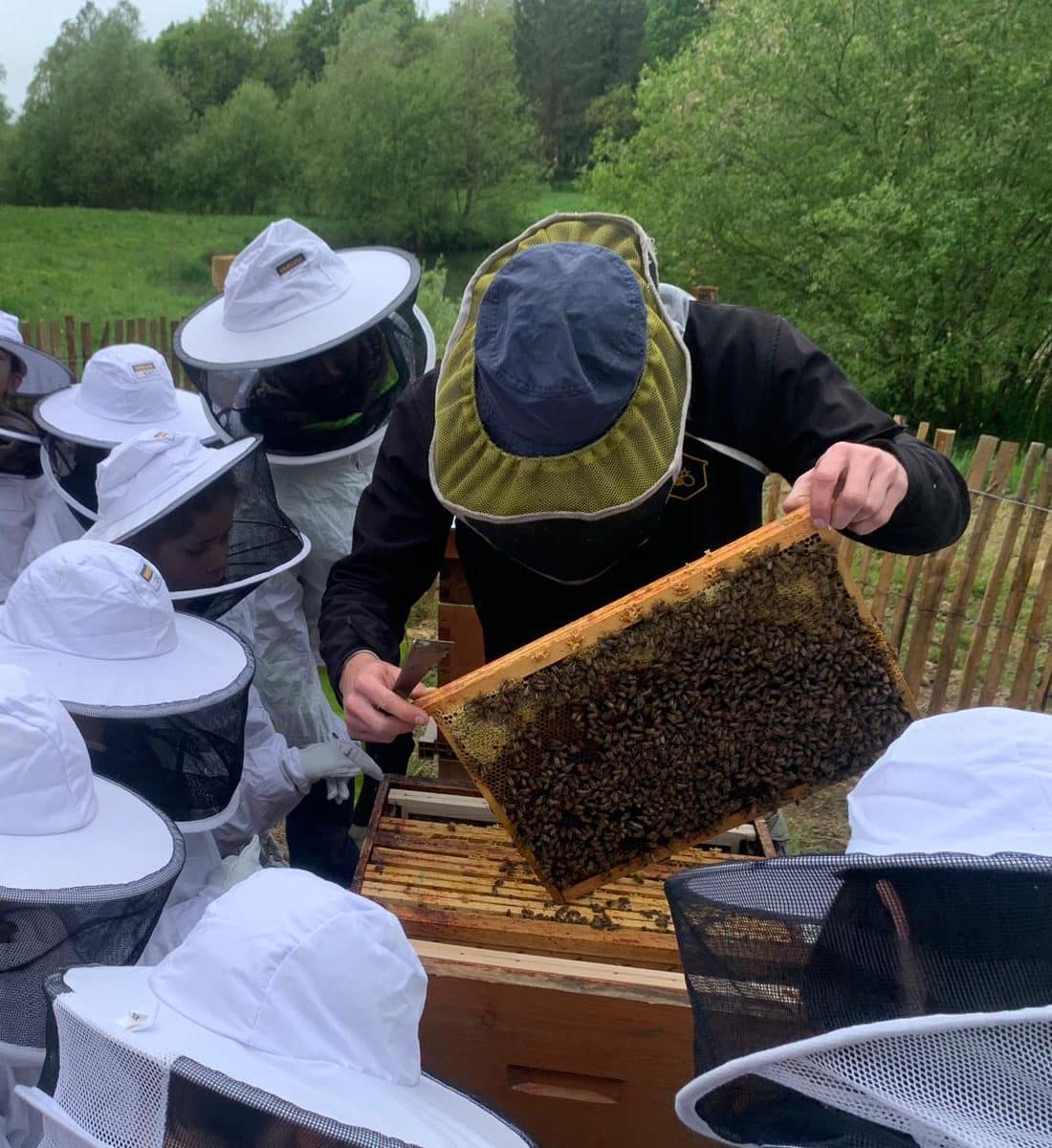
Reading City Council Considers Zoning Amendments
Reading, Pennsylvania is currently evaluating a proposed zoning amendment that would permit beekeeping citywide while establishing strict standards for hive placement and permit issuance. Although the initial reporting dates to August 24, 2026, the ongoing deliberation process remains active in the current news cycle as community stakeholders engage with the proposed rules. These amendments aim to mitigate neighbor disputes by codifying setback distances and registration requirements, directly impacting how urban beekeepers must structure their operations to remain compliant.
Scientific Warnings on Hive Density Persist
A significant review published in People and Nature in early 2026 continues to influence policy discussions regarding hive density in urban environments. The study highlights that while urban beekeeping is popular, high densities of managed honeybees can negatively impact wild pollinator communities through resource competition and disease spillover. This research underscores the need for city policies that not only permit hives but also monitor their density relative to local floral resources, challenging the assumption that all urban bees are beneficial to biodiversity.
Local view
No recent local-language media coverage from the past 7 days was available in the provided research results.
Context & numbers
The USDA National Honey Report (Vol. XLVI - Number 8, dated August 31, 2026) provides the latest baseline for bulk honey pricing, which remains a critical factor for urban beekeeper economics. While specific urban premium prices vary, the report tracks national averages for unprocessed bulk honey, offering a benchmark against which small-scale urban producers must compete. Adulteration continues to depress global prices, squeezing out genuine small-scale beekeepers who cannot match the costs of industrial operations, a dynamic that directly affects the viability of rooftop apiaries.
On the radar
- Barberton Second Reading: Watch for the second reading and potential vote on the Barberton, OH ordinances following the September 14 first reading, which could finalize apiary rules for suburban residential areas.
- Reading Zoning Finalization: The Reading, PA city council's final decision on the proposed zoning amendments will likely set a precedent for hive placement standards in the region.
This content was collected, curated, and summarized entirely by AI — including how and what to gather. It may contain inaccuracies. Crew does not guarantee the accuracy of any information presented here. Always verify facts on your own before acting on them. Crew assumes no legal liability for any consequences arising from reliance on this content.
Powered by
