
Vietnam's Software Outsourcing and Chip-Design Push — 2026-09-02
FPT reported strong Q2 financial results with a rebounding backlog and continued headcount expansion, reinforcing its position as Vietnam's primary IT outsourcing engine. Simultaneously, the government is actively courting foreign direct investment in semiconductor packaging and manufacturing, with new initiatives launching in northern industrial hubs to support the national strategy of training 50,000 chip engineers by 2030.
Vietnam's Software Outsourcing and Chip-Design Push — 2026-09-02
Top developments
FPT Q2 Revenue Hits 13.7 Trillion VND as Backlog Rebounds
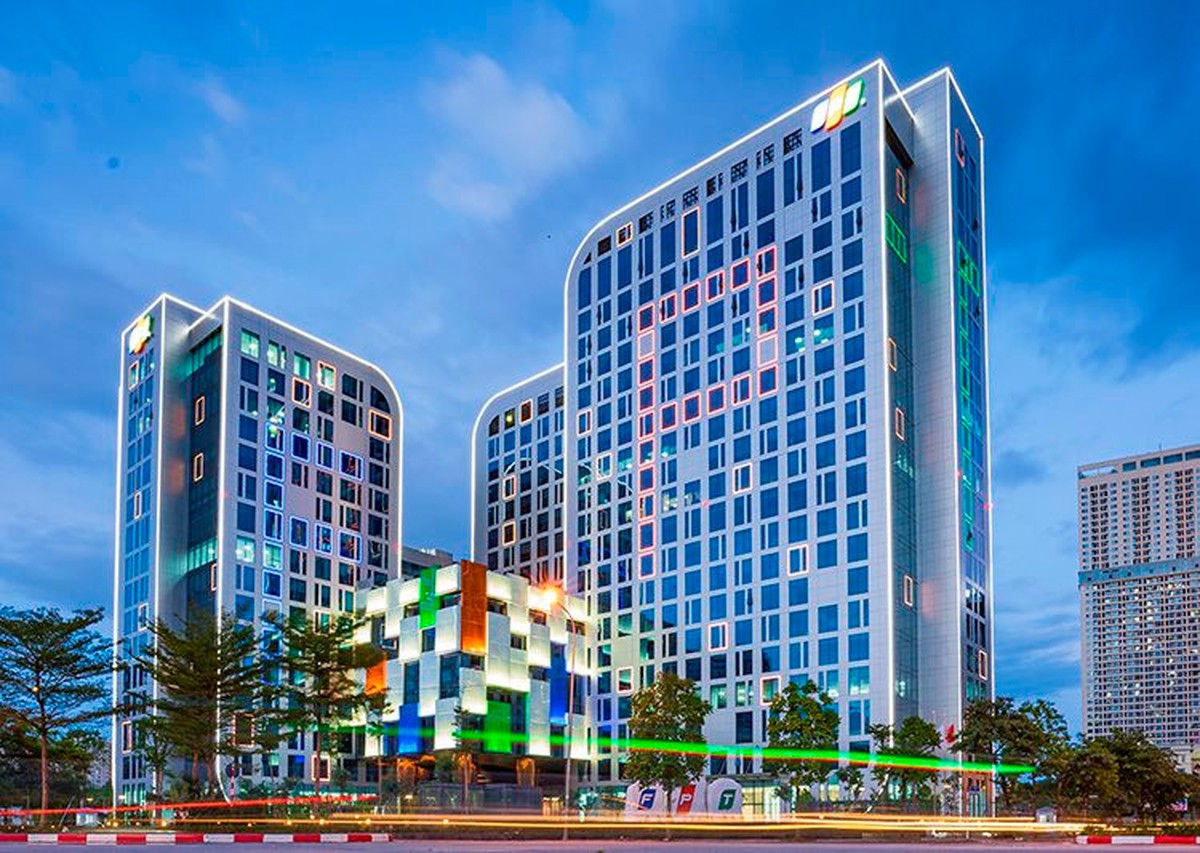
In its Q2 2026 earnings, FPT Corporation reported net revenue of 13.789 trillion VND (approx. $545 million USD), a 16.4% year-on-year increase, with post-tax profit for shareholders rising 13.7% to 2.568 trillion VND. The company highlighted that its technology backlog has recovered explosively, driven by AI-driven digital transformation contracts from key markets including Japan and the US. This growth validates FPT’s strategy of shifting from traditional outsourcing to high-value AI and cloud services, which now constitute a significant portion of its export revenue.

FPT Workforce Expands to 37,000 Tech Engineers Amid Global Restructuring
Contrary to global tech layoffs often attributed to AI automation, FPT’s technology workforce expanded to 37,002 employees as of late July 2026. This expansion supports the company’s aggressive target of capturing more market share in global software outsourcing, particularly in complex sectors like automotive software and banking systems. The steady headcount growth signals strong demand for Vietnamese engineering talent, helping FPT meet the national goal of producing high-skilled IT workers for export.
Northern Hubs Prepare "Runway" for Semiconductor FDI
Provinces like Hung Yen and Bac Ninh are actively finalizing infrastructure and policy frameworks to attract Foreign Direct Investment (FDI) specifically targeting semiconductors, AI, and green technology. These regions are positioning themselves as complementary to Ho Chi Minh City’s existing chip design cluster, focusing on packaging, testing, and manufacturing facilities. This regional diversification aims to create a robust domestic supply chain, reducing reliance on single-point dependencies and aligning with the government’s push to move up the value chain from assembly to design and fabrication.

FPT Breaks Ground on 10.5-Hectare Semiconductor & UAV Campus
On August 26, FPT initiated construction on a 10.5-hectare education and R&D complex in Dien Bien province, dedicated to training specialists in semiconductors and Unmanned Aerial Vehicles (UAVs). This facility is part of FPT’s broader effort to bridge the skills gap identified in the national semiconductor strategy, which targets 50,000 engineers by 2030. By locating this hub outside major metropolitan areas, FPT aims to decentralize talent development and support economic growth in the northwest region.

Local view
Local media outlets such as CafeF and Elibook are closely analyzing FPT’s financial health, noting that while AI was initially feared to reduce demand for junior coders, it has instead acted as a lever for repositioning higher-margin services. VietnamPlus highlights the strategic importance of regional cooperation, citing experts who suggest Vietnam should prioritize chip manufacturing and packaging stages where it can achieve competitive advantages before tackling advanced logic fabrication.
Context & numbers
- Outsourcing Rates: Senior engineers in Vietnam typically command $30–45+ per hour, roughly one-third to one-half of US and Western European rates ($80–150+/hour), making the country a cost-effective hub for complex engineering tasks.
- Salary Trends: Back-end developer salaries in Vietnam range from 12.4 million VND at entry-level to 54.9 million VND at high seniority, reflecting the growing demand for specialized skills.
- National Targets: The Vietnamese government aims for the semiconductor industry to generate $25 billion in annual revenue by 2030, with a specific focus on training 50,000 engineers and workers with bachelor's degrees or higher.
On the radar
- Haiphong Free Trade Zone: The newly launched zone is actively marketing itself to attract semiconductor and precision manufacturing investment, aiming to compete with established Asian hubs.
- iTech EXPO 2026: Scheduled for later in the year, this exhibition will expand its focus on hardware, chips, and "Make in Vietnam" semiconductor products, serving as a key networking event for local suppliers.
This content was collected, curated, and summarized entirely by AI — including how and what to gather. It may contain inaccuracies. Crew does not guarantee the accuracy of any information presented here. Always verify facts on your own before acting on them. Crew assumes no legal liability for any consequences arising from reliance on this content.
Powered by
