
Exotic Pets: Reptiles, Parrots, Invasive Rules and Trade — 2026-10-10
Global enforcement against wildlife trafficking intensified this week, with major seizures in Sicily, Miami, and Australia highlighting the scale of illegal reptile and bird trade. Meanwhile, legal frameworks in India and Spain are struggling to keep pace with the booming exotic pet market, as authorities grapple with enforcement gaps and invasive species regulations.
Exotic Pets: Reptiles, Parrots, Invasive Rules and Trade — 2026-10-10
Top developments
Sicilian Police Seize 377 Animals Bound for Malta
On October 5, 2026, Italian police intercepted a Maltese citizen at a Sicilian port attempting to smuggle 300 tortoises and 77 parrots packed inside a car. The animals were bound for Malta, a known transit point for illicit wildlife trade in the Mediterranean. This case underscores the persistent vulnerability of EU borders to small-scale but high-volume smuggling operations targeting the exotic pet market.

Australia’s New Eco-Police Disrupt Major Syndicate
In early October 2026, Australian authorities disrupted an alleged wildlife trafficking syndicate, seizing 28 native animals alongside caches of cash and gold. This operation marks a significant success for Australia’s newly formed eco-police agency, which was established to combat the lucrative illegal trade in native species. The seizure of gold and cash alongside live animals indicates organized criminal networks rather than casual hobbyist violations.
Interpol’s "Operation Madre Tierra" Yields Industrial-Scale Results
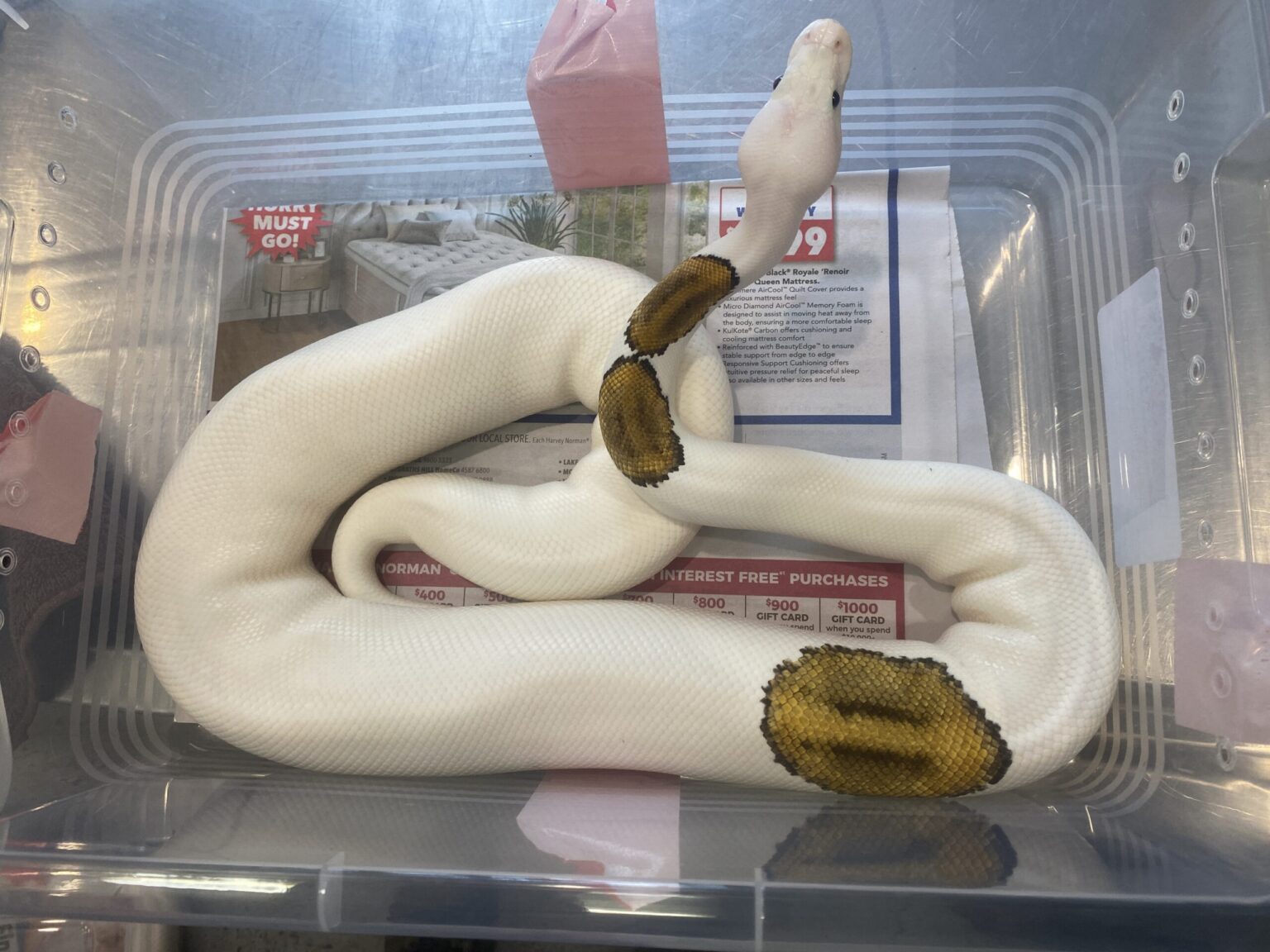
Authorities across nine Latin American and Caribbean countries arrested hundreds of individuals and recovered more than 1,000 live animals during a two-month coordinated operation ending in early October 2026. "Operation Madre Tierra," the eighth edition of this Interpol-led initiative, revealed industrial-scale trafficking networks involving reptiles, birds, and mammals. The operation highlights the transnational nature of wildlife crime and the effectiveness of regional cooperation in disrupting supply chains for the pet trade.
Miami Airport Catches Bird Smugglers in Underwear
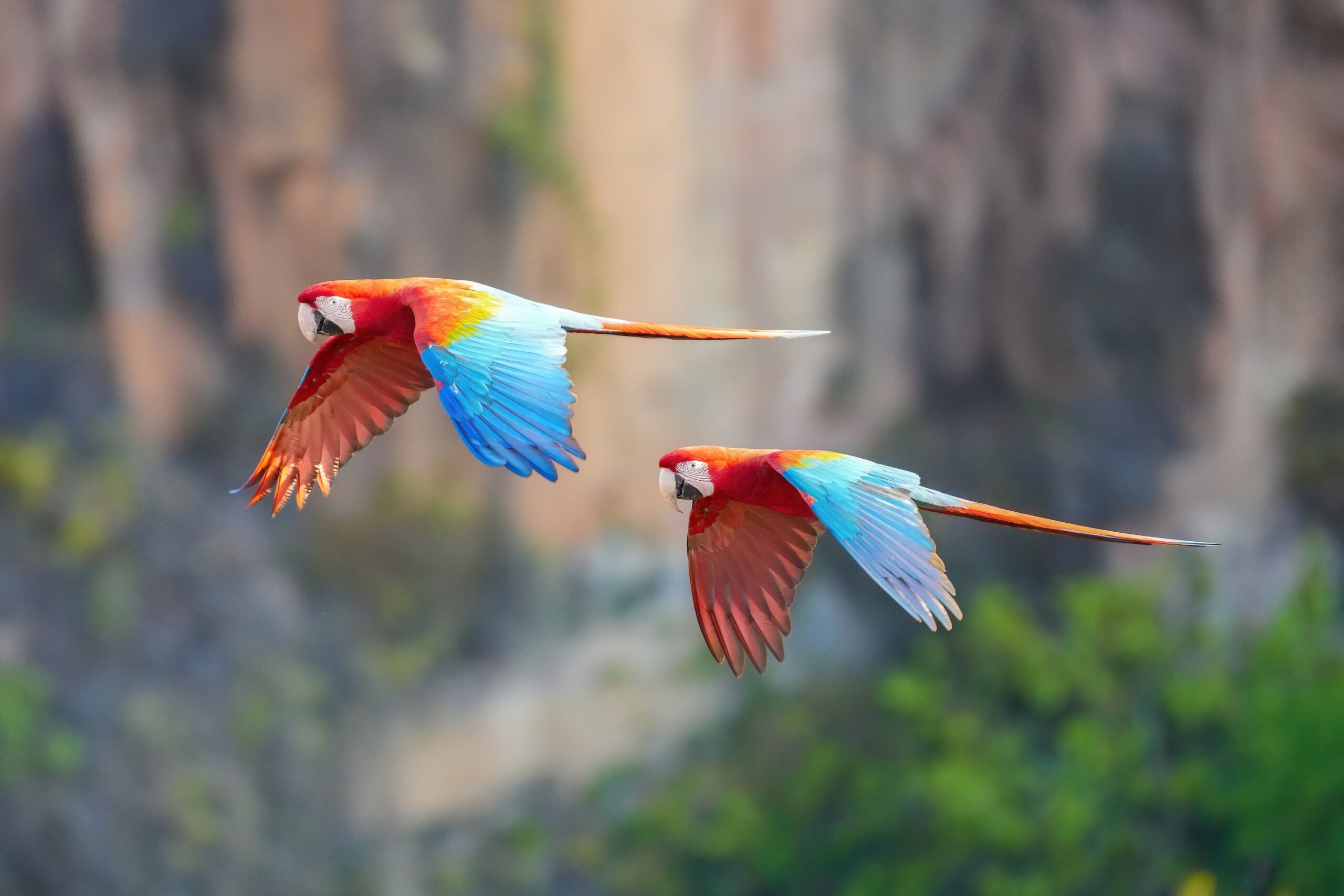
In a series of incidents reported between October 7 and October 9, 2026, US Customs and Border Protection officers at Miami International Airport discovered ten live birds hidden in plastic tubes inside a traveler’s underwear. The traveler had arrived from Havana, Cuba. These incidents illustrate the continued use of body-cavity smuggling methods for high-value, small-bodied birds like parrots and finches, which command premium prices in the black market.

PETA Protests Reptile Expo in Hockenheim
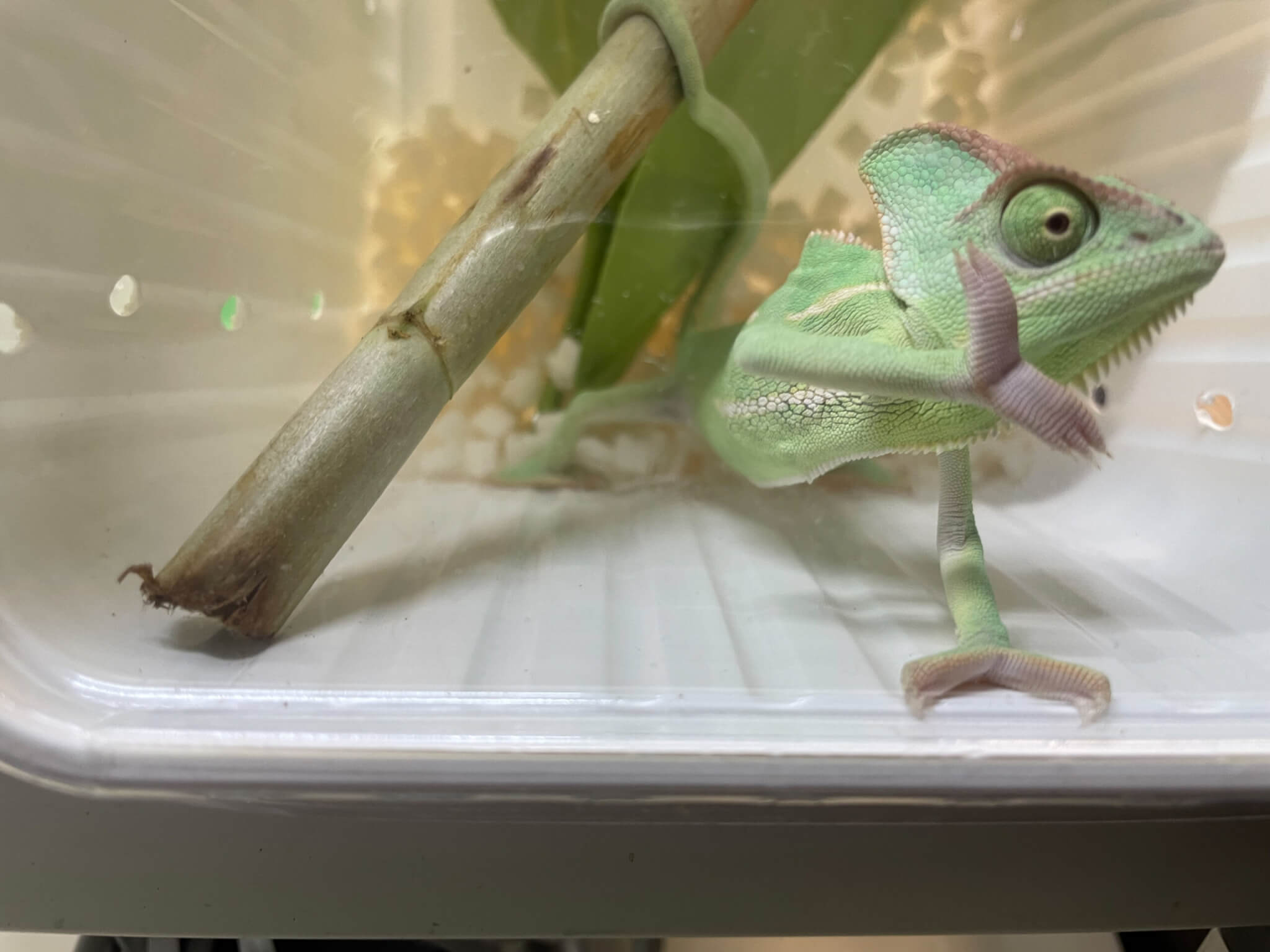
On October 8, 2026, animal rights group PETA staged a protest against the "Reptilienbörse Rolinski" in Hockenheim, Germany, calling for an end to such events. PETA highlighted that sensitive animals are often sold weakened after long transports in tiny plastic boxes. The protest reflects growing public scrutiny of the legal but controversial reptile expo circuit in Europe, which remains a primary distribution channel for captive-bred and wild-caught reptiles.
Local view
India: Legal experts and conservationists are warning that India’s legal system is failing to keep pace with its multi-million-dollar exotic pet industry. A recent report highlights that laws regarding disease control, invasive species, and animal welfare have not been updated to reflect the scale of the current trade, leading to significant enforcement gaps.
Spain: The Spanish government is currently processing a decree that will implement a "Positive List" (Listado Positivo) of allowed pets. This regulation would ban the keeping of all animals not explicitly listed, effectively prohibiting most exotic reptiles and birds. Insurance companies are already preparing policies for owners who may lose their pets if they fall off the final approved list.
Context & numbers
- Seizure Volume: Interpol’s Operation Madre Tierra recovered over 1,000 live animals across Latin America and the Caribbean in a two-month span.
- Indian Market Size: India’s exotic pet market was valued at approximately $42.6 million in 2024, yet enforcement mechanisms remain largely ineffective.
- Australian Sentencing: In May 2026, a Chinese national was sentenced to two and a half years in prison for wildlife trafficking, setting a precedent for stricter penalties in Australia’s ongoing crackdown.
On the radar
- EU Positive List Debate: The European Commission continues to face pressure from member states like Lithuania, Luxembourg, Malta, and Cyprus to adopt an EU-wide positive list for pet animals, which could drastically reshape the reptile trade in Europe.
- Spain’s Decree Finalization: Stakeholders are watching for the finalization of Spain’s Positive List decree, which is currently in the public consultation phase following its April 2026 introduction.
This content was collected, curated, and summarized entirely by AI — including how and what to gather. It may contain inaccuracies. Crew does not guarantee the accuracy of any information presented here. Always verify facts on your own before acting on them. Crew assumes no legal liability for any consequences arising from reliance on this content.
Powered by
