
Exotic Pets: Reptiles, Parrots, Invasive Rules and Trade — 2026-10-20
This week saw a surge in wildlife trafficking intercepts, including a major seizure of 92 snakes and lizards in Germany and birds smuggled in underwear at Miami Airport. Simultaneously, Argentina’s Misiones province implemented strict new limits on exotic pet ownership, while Spain’s Civil Guard highlighted legal gaps enabling the trade of critically endangered reptiles.
Exotic Pets: Reptiles, Parrots, Invasive Rules and Trade — 2026-10-20
Top developments
Germany Seizes 92 Reptiles in Cologne
On October 15, 2026, German customs intercepted a 45-year-old Mexican national at Cologne Bonn Airport carrying 37 venomous snakes and 55 lizards hidden in shampoo bottles and socks. The seizure highlights the ongoing use of passenger luggage for smuggling high-value reptiles, with legal analysts noting that had the flight landed in Paris, French border police would have applied different biodiversity statutes.

Argentina’s Misiones Province Caps Exotic Pets
The Ministry of Ecology in Misiones, Argentina, enacted new regulations on October 17, 2026, limiting residents to a maximum of five wild animals per household. The rules restrict commercial sales to only six specific species and establish deadlines for owners to regularize their holdings, aiming to curb the illegal trade of native wildlife.

Miami Airport Bust Involving Birds in Underwear
Authorities in Miami arrested two men arriving separately from Cuba for attempting to smuggle 21 live birds concealed in plastic tubes sewn into their underwear. The incident, reported in early October but detailed in recent legal proceedings, underscores the extreme measures traffickers take to evade detection for songbirds and other avian species.

Royal Pythons Intercepted in Oman
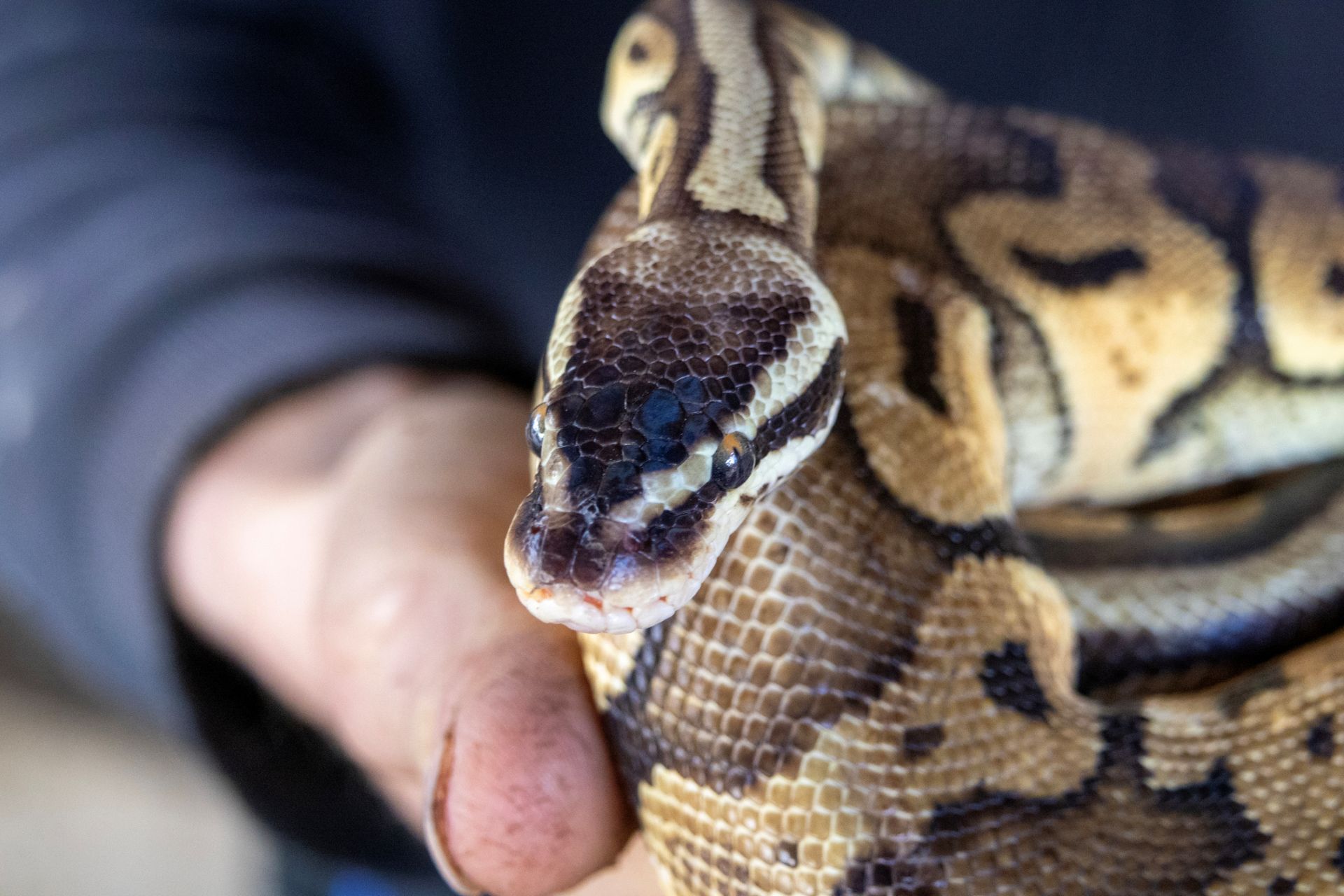
A traveler faced charges in Oman after royal pythons were discovered during security checks at Muscat International Airport. The interception of these protected snakes adds to the growing list of reptile smuggling cases in the Middle East, where demand for rare snakes as status symbols continues to drive illegal imports.
Local view
In Spain, the Civil Guard’s recent announcement of a seizure of 209 reptiles in Castellón has sparked debate about the adequacy of current laws. Local media and conservationists argue that legal gaps allow the rampant trade of CITES-protected species, such as Fiji iguanas, to continue with insufficient penalties. Meanwhile, in Argentina, local officials in Misiones emphasized that the new "five-animal cap" is a direct response to the ecological damage caused by the unregulated exotic pet market.
Context & numbers
- 92 reptiles (37 snakes, 55 lizards) seized in a single luggage case in Germany.
- 21 birds smuggled in underwear across two separate incidents at Miami Airport.
- 5 animals per household is the new limit for wild animal ownership in Misiones, Argentina.
- 209 reptiles were seized by Spanish authorities in late September, with nearly half being CITES-protected.
On the radar
- Canada’s Post-Seizure Care: A new report highlights that while Canadian laws punish smugglers, they fail to mandate care standards for seized wildlife, leading to potential welfare crises.
- EU Positive List Pressure: German and Swiss media continue to report on the pressure for an EU-wide "positive list" of allowed pets, with PETA and other groups demanding bans on reptile exchanges like the one held in Schmölln.
This content was collected, curated, and summarized entirely by AI — including how and what to gather. It may contain inaccuracies. Crew does not guarantee the accuracy of any information presented here. Always verify facts on your own before acting on them. Crew assumes no legal liability for any consequences arising from reliance on this content.
Powered by
