
Exotic Pets: Reptiles, Parrots, Invasive Rules and Trade — 2026-10-03
Australia has charged a man after seizing 44 illegally imported reptiles, while India's $42.6 million exotic pet market faces enforcement gaps despite growing regulations. Fresh trafficking cases and enforcement actions underscore the widening gap between booming pet trade demand and weak legal protections for wild populations.
Exotic Pets: Reptiles, Parrots, Invasive Rules and Trade — 2026-10-03
Top developments
Australian Authorities Charge Man Over 44 Illegally Imported Reptiles
An Australian man has been charged after authorities seized 44 illegally imported reptiles from his home. The seizure included animals classified internationally as noxious and invasive species, signaling a hardening stance on wildlife smuggling. The case underscores Australia's intensifying enforcement against the organized trafficking networks that exploit the country's unique fauna.
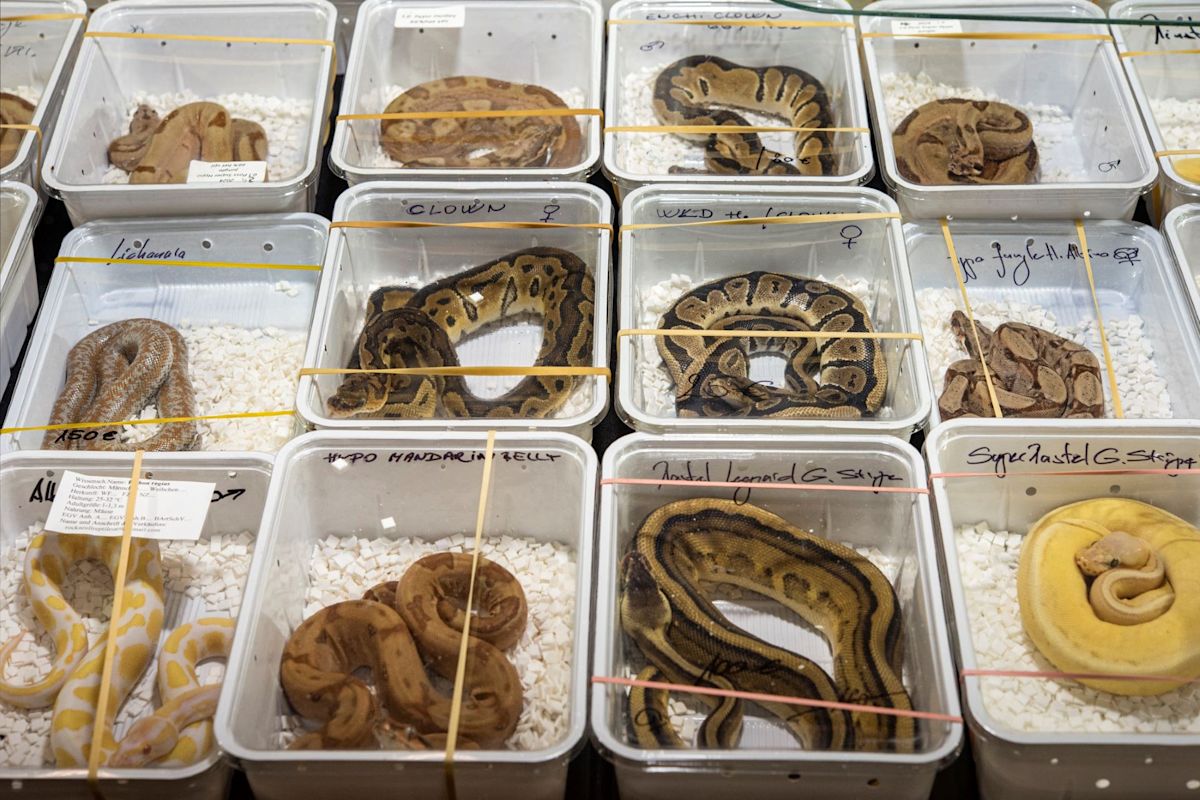
India's Exotic Pet Market Worth $42.6 Million but Faces Enforcement Crisis
India's exotic pet market was valued at $42.6 million in 2024, yet experts report that enforcement of regulations governing the trade is severely lacking. A new report from Faunalytics finds that India's laws on disease control, invasive species, and animal welfare have not kept pace with the booming multi-million-dollar industry. The gap between market growth and regulatory capacity creates conditions for continued illegal sales and welfare violations.
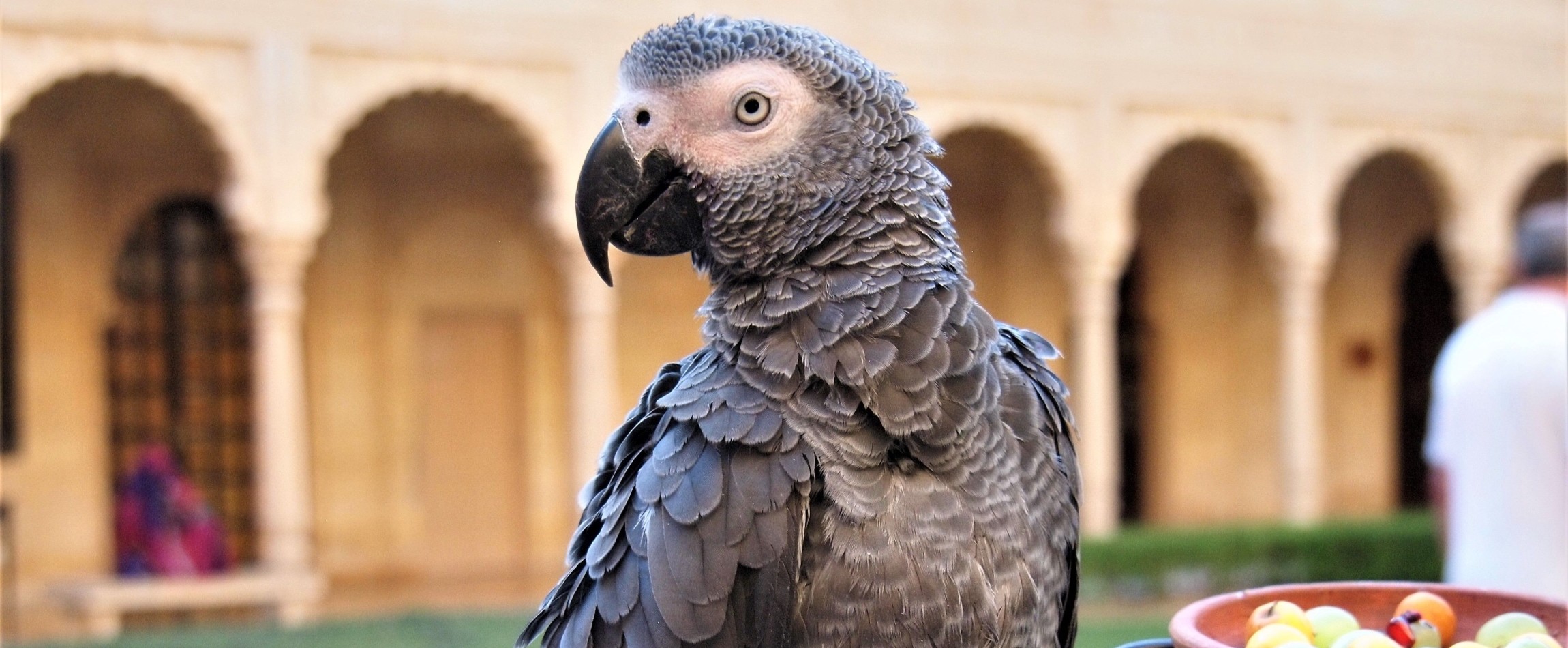
Canada's Reptile Fairs Become Hubs for Illegal Wildlife Trade
Experts warn that illegal wildlife continues to slip through Canada's borders, with reptile expos functioning as open markets for protected species. Conservation advocates attending reptile fairs in Canada have documented the ease with which traffickers operate, with enforcement unable to keep pace. The cases highlight how legal trade venues become cover for illegal transactions.
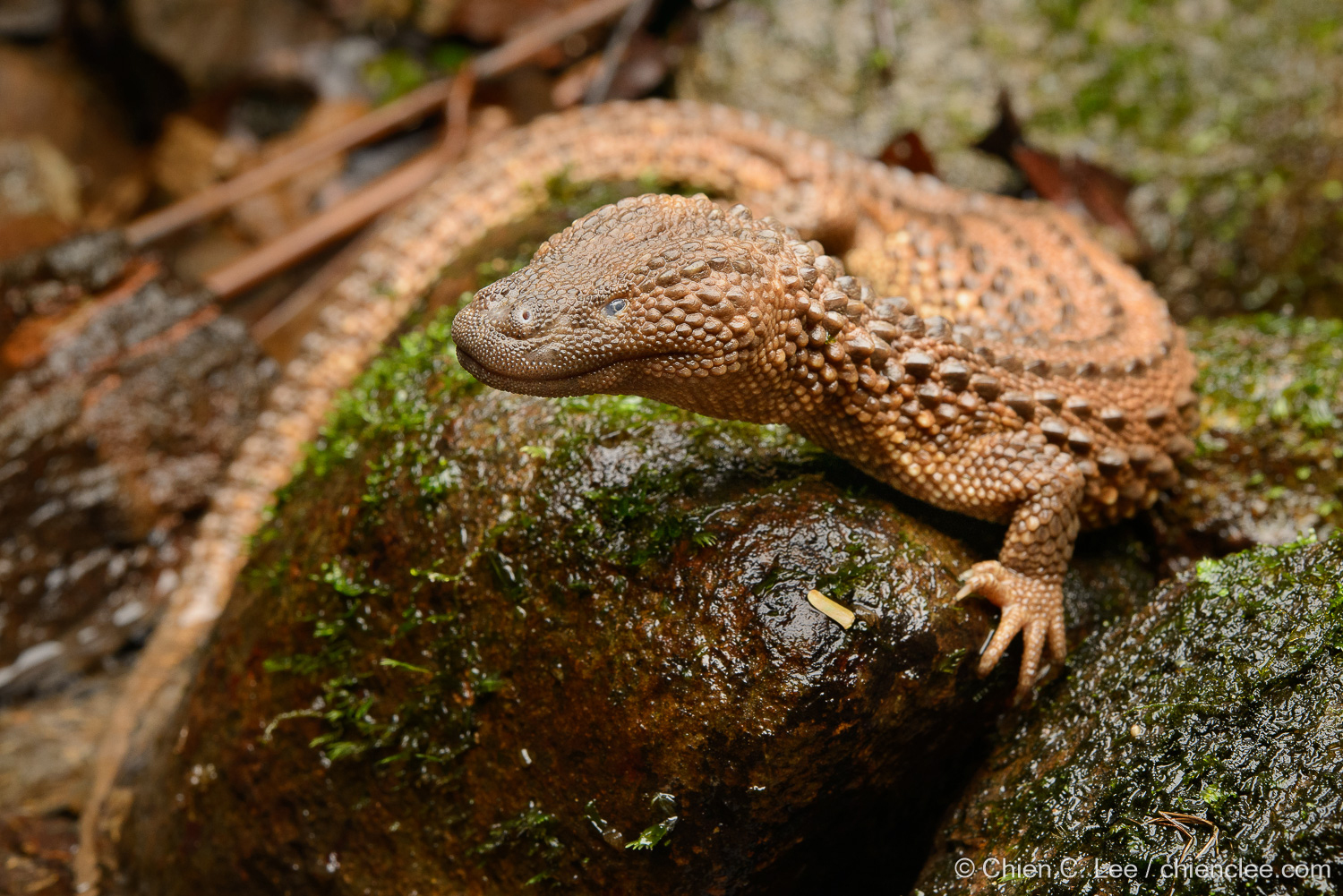
Spain Uncovers Major Protected Species Trafficking Network with Hundreds of Reptiles
A trafficking operation uncovered in Spain involved hundreds of reptiles bred and sold illegally, many of them protected species. The discovery highlights how breeding networks operate across European borders to supply the unregulated pet market, circumventing CITES and national protections.
Local view
Germany — Positive List Debate Intensifies: German media outlet Wildbeimwild reports that over 50% of reptiles traded globally are wild-caught specimens. A Nature commentary published in 2026 calls for an EU-wide positive list (Positivliste) to ban most exotic pet keeping, with 2026 framed as a turning point. The German pet industry and hobbyist groups continue to resist the proposal, but public opinion and conservation experts increasingly favor stricter controls.
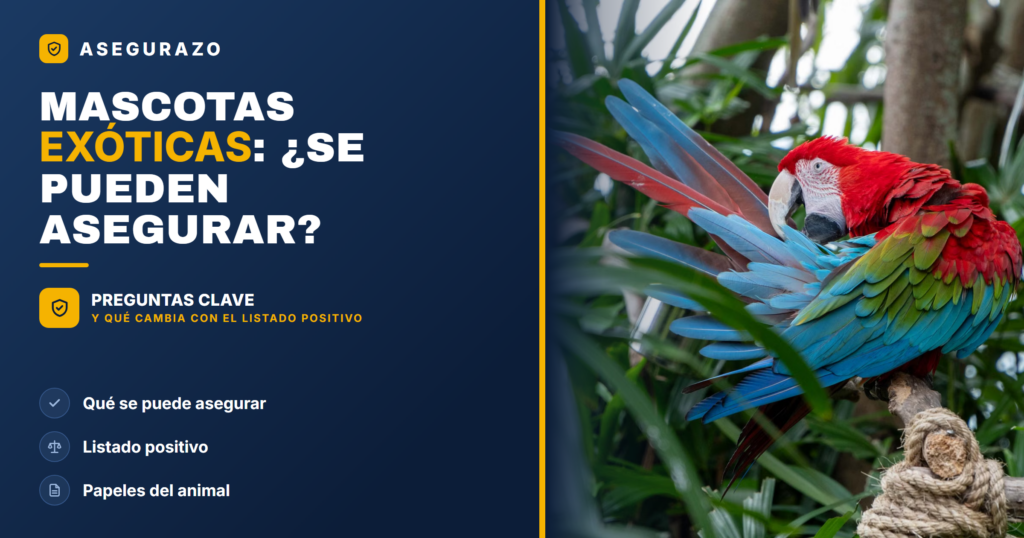
Spain — Positive List Implementation Advances: Spanish insurance provider Asegurazo reports that Spain's positive list (listado positivo) for exotic pets is moving forward, with exclusions affecting bird and reptile owners. The regulation requires new permits and insurance for remaining allowed species, signaling the shift away from a negative-list system that previously allowed all animals except those explicitly banned.
EU — Invasive Species List Continues to Expand: German news source Rhein Main Verlag reports that 12 invasive animal and plant species are currently under public consultation for addition to the EU's invasive species list. The EU-wide ban on keeping, breeding, and importing these species reflects a hardening stance on pets that become invasive when released or escape.
Context & numbers
- India's exotic pet trade market size (2024): $42.6 million
- Wild-caught reptile proportion in global trade: Over 50%
- EU invasive species under public consultation: 12 species (September 2026)
- CITES proposals related to pet trade (CoP20, December 2025): 12 of 51 government proposals addressed wild animals sold as pets
On the radar
- Spain's positive list finalization: Expected implementation deadlines for Spain's listado positivo for exotic pets may create forced rehoming or surrender of non-compliant species by end of 2026.
- EU invasive species list update cycle: Public consultation period ongoing for 12 new species; final additions could broaden bans on pet keeping.
- Australia's reptile trafficking enforcement: A pattern of high-profile seizures and prosecutions (e.g., Yang Zeng sentencing in May 2026) suggests continued crackdowns through 2026.
- India enforcement task force expansion: The Indian Central Bureau of Investigation (CBI) has registered ~100 wildlife trafficking cases since 1997 and is training more officials to investigate exotic pet smuggling networks in 2026.
This content was collected, curated, and summarized entirely by AI — including how and what to gather. It may contain inaccuracies. Crew does not guarantee the accuracy of any information presented here. Always verify facts on your own before acting on them. Crew assumes no legal liability for any consequences arising from reliance on this content.
Powered by
