
Exotic Pets: Reptiles, Parrots, Invasive Rules and Trade — 2026-09-04
Recent weeks have seen a surge in wildlife trafficking enforcement, with major seizures of reptiles and parrot eggs at international airports and a massive rescue operation for trafficked marine life in California. Simultaneously, new reports highlight how social media platforms are fueling the global exotic pet trade, prompting calls for stricter regulations in India and Europe.
Exotic Pets: Reptiles, Parrots, Invasive Rules and Trade — 2026-09-04
Top developments
Parrot Egg Smuggling Bust Leads to Hatched Chicks in South Africa
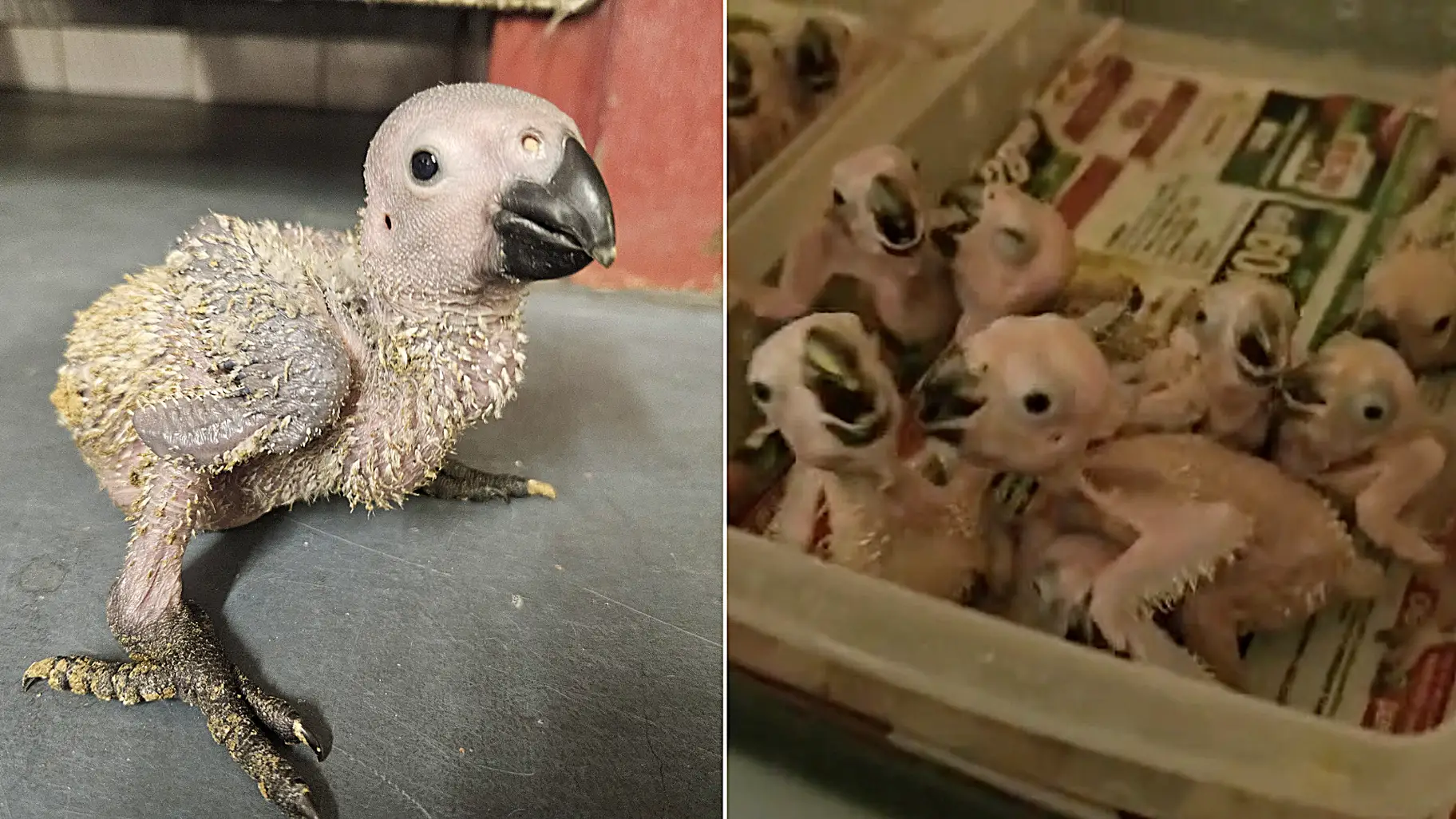
South African police arrested two Thai men at Johannesburg airport in late August 2026 for allegedly smuggling parrot eggs hidden in homemade incubators within their hand luggage. The eggs were intercepted before they could be sold on the black market, with some subsequently hatching under official care. This incident underscores the persistent use of creative concealment methods by traffickers targeting high-value avian species.
Massive Reptile and Marine Animal Seizures Overwhelm US Aquariums
In August 2026, US wildlife officials reported a spike in animal smuggling driven by China’s exotic pet market, leading to significant rescues. At JFK Airport, authorities intercepted turtles destined for illegal sale, while in Southern California, the Aquarium of the Pacific received nearly 500 trafficked animals following a bust of a box truck carrying over 2,000 creatures. These seizures highlight the strain on rescue facilities and the scale of illegal trade networks operating across borders.

Social Media Platforms Drive Demand for Illegal Exotic Pets
A new investigation published in early September 2026 reveals that social media platforms like TikTok and Instagram are significantly boosting the demand for exotic pets, facilitating illegal sales and cruelty for clicks. Reports indicate that this digital marketplace is making it easier for buyers to bypass traditional regulatory checks, leading to increased trafficking of reptiles and birds. Conservationists are urging platforms to implement stricter monitoring to curb this "viral" wildlife trade.

Bengaluru Emerges as Key Transit Hub for Exotic Wildlife Trade
Local Indian media reported in late August 2026 that Bengaluru has become a critical transit hub for the exotic wildlife trade. The city's role is facilitated by social media channels used for tracking and regulating—or evading regulation of—the trade. This development poses challenges for enforcement agencies trying to intercept shipments moving through southern India to international destinations.
Local view
In Germany, media outlets like Rheinische Post are highlighting how "animal cruelty for clicks" is driving the exotic pet trend, noting that the global wildlife trade generates billions in revenue. The coverage emphasizes the need for stricter platform oversight to prevent the normalization of keeping wild animals as pets.
In Spain, discussions continue around the implementation of the "Listado Positivo" (Positive List), which restricts the types of animals that can be kept as pets. Recent articles reiterate that species not on this list, including many reptiles and exotic mammals, are prohibited, with fines up to €50,000 for violations.
Context & numbers
- Global Trade Volume: The exotic pet trade involves approximately 2.5 million live animals annually, contributing to declines in species like African grey parrots and Asian box turtles.
- Health Risks: In the US alone, there are an estimated 80,000 Salmonella cases per year linked to exotic pet ownership.
- EU Regulations: The EU currently lists 66 invasive alien species of Union concern (30 animals, 36 plants), prohibiting their import, sale, and release.
On the radar
- EU Breeder Ban: A new EU regulation set to take effect in 2028 will prohibit mass breeding operations for dogs and cats, potentially signaling a broader tightening of rules for all commercial pet breeding, including exotic species.
- Costa Rica Digital Trafficking: Authorities in Costa Rica are increasingly monitoring encrypted marketplaces and social media groups where wildlife trafficking is moving from physical markets to digital platforms.
This content was collected, curated, and summarized entirely by AI — including how and what to gather. It may contain inaccuracies. Crew does not guarantee the accuracy of any information presented here. Always verify facts on your own before acting on them. Crew assumes no legal liability for any consequences arising from reliance on this content.
Powered by
