
Exotic Pets: Reptiles, Parrots, Invasive Rules and Trade — 2026-10-02
An Australian man faces charges after 44 illegally imported reptiles—including invasive species—were seized from his home, signaling intensified enforcement worldwide. Spain and Canada are cracking down on trafficking networks, while India's booming exotic pet trade continues to outpace legal protections. Fresh concerns over abandonment, zoonotic disease, and social-media-fueled smuggling networks are driving urgent calls for tighter international regulations.
Exotic Pets: Reptiles, Parrots, Invasive Rules and Trade — 2026-10-02
Top developments
Australian Man Charged After 44 Illegally Imported Reptiles Seized
An Australian man has been charged following the seizure of 44 illegally imported reptiles from his home, including animals classified internationally as noxious and invasive species. The case reflects intensified enforcement against wildlife trafficking and highlights the ongoing problem of illegal pet imports into jurisdictions where they pose ecological risk.
Spain Uncovers Major Protected-Species Trafficking Ring
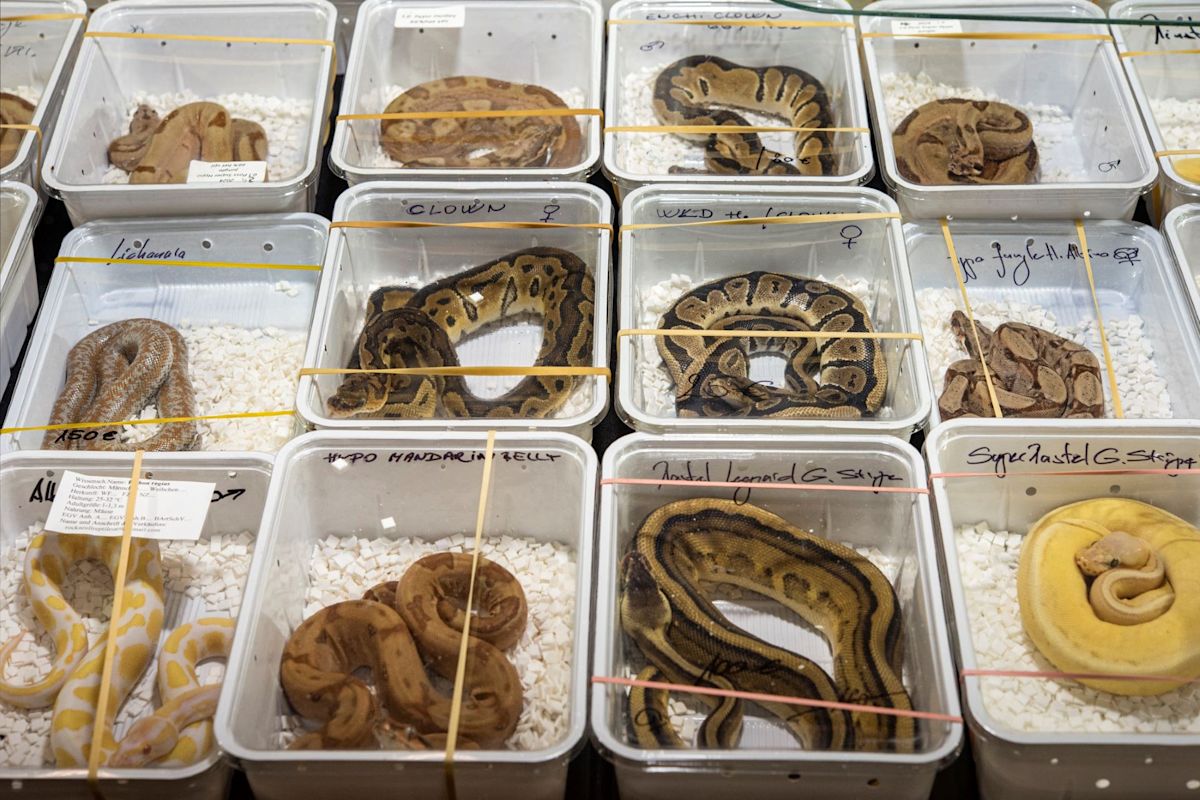
Spain has uncovered a protected-species trafficking operation involving hundreds of reptiles, with criminal networks using false certifications, courier services, and fake breeding facilities to move protected species into the black market. Spain has emerged as a strategic hub for illegal wildlife trafficking across Europe, with organized crime groups moving millions of euros through exotic animal smuggling.
India's Exotic Pet Trade Outpaces Legal Protections
India's exotic pet trade has evolved into a multi-million-dollar industry, but the country's laws on disease control, invasive species management, and animal welfare have failed to keep pace. As India's exotic pet trade flourishes, abandonment of animals poses serious ecological dangers—removed animals affect native ecosystem functions while introduced species alter the environment. A Mumbai-based veterinarian was recently hospitalized with a lung infection linked to exotic pet contact, underscoring zoonotic disease risks.
Canada's Porous Borders Enable Illegal Wildlife Smuggling
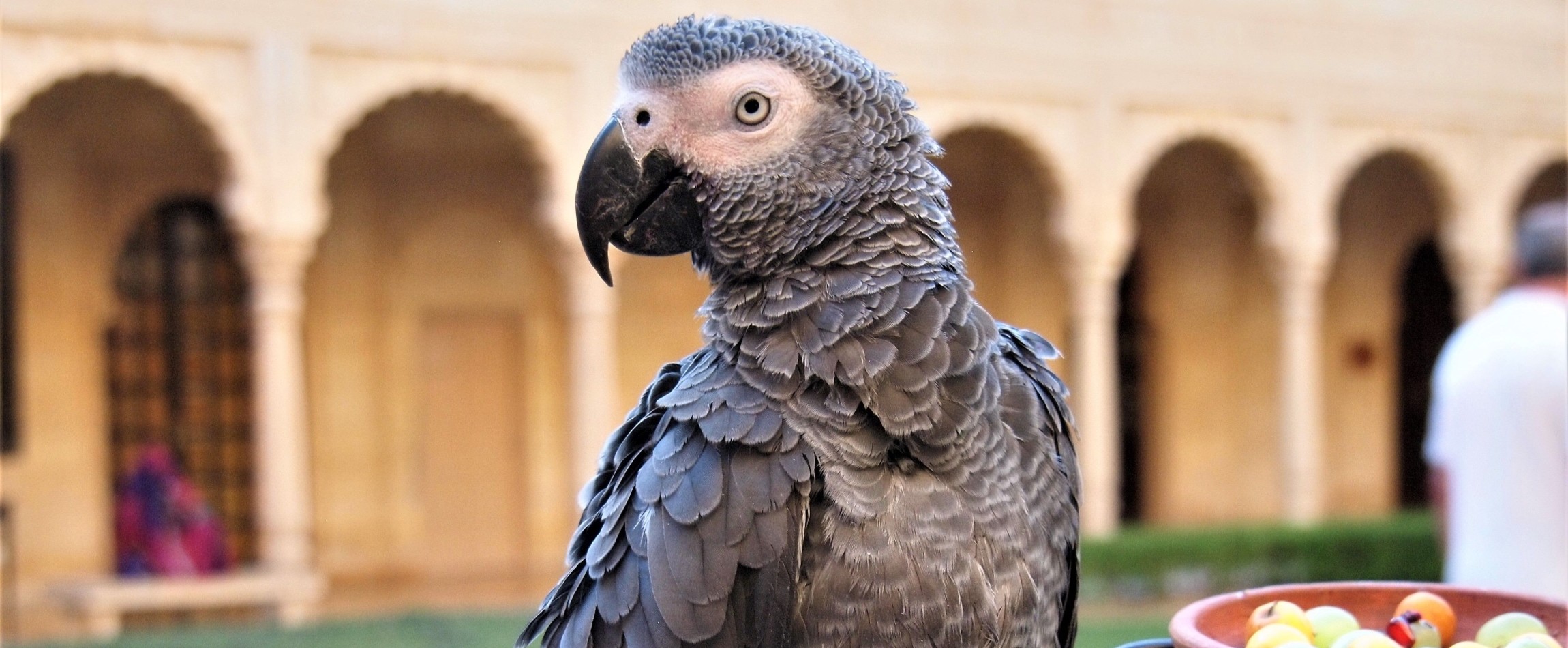
Illegal wildlife continues to slip through Canada's borders despite efforts to close loopholes. Experts attending reptile expos in Canada report easy access to illegally sourced animals, revealing significant gaps in enforcement and monitoring capabilities at borders and domestic points of sale.
Social Media Drives Exotic Wildlife Trafficking Networks in India
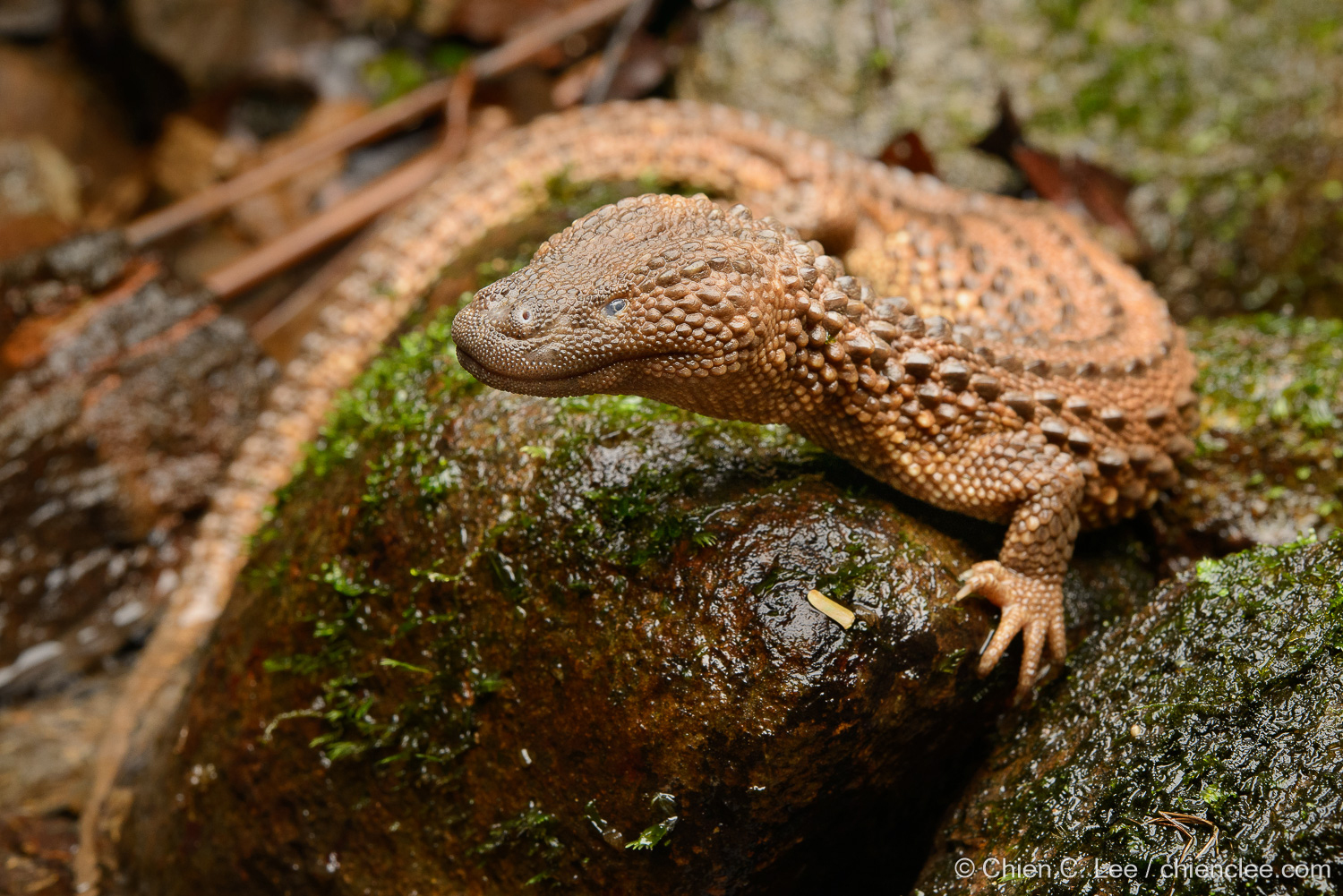
Social media is fueling exotic wildlife trafficking networks in India, with virality driving demand for falcons, reptiles, and other species. The Central Bureau of Investigation (CBI) has registered approximately 100 wildlife trafficking cases since 1997 and is now training officials to combat the escalating online trade.
Local view
Spain: El Cierre Digital reports that Spain has become a strategic point for illegal fauna trafficking across Europe, with criminal networks using fake certificates and courier services to move protected reptiles and amphibians into the black market, moving millions of euros annually.
Germany: German media outlet wildbeimwild.com highlights that over 50% of traded reptiles are wild-caught, and a Nature commentary is calling for an EU positive list to counter exotic animal trade, with 2026 marked as a potential turning point for policy reform.
Puerto Rico: Legislative efforts are advancing toward a five-year moratorium on importing, introducing, and selling exotic species, proposed by the Puerto Rican Independence Party and animal-rights advocates.
Context & numbers
-
EU Invasive Species Regulation: The European Union maintains a Union List of invasive alien species of concern. Roughly 10–15% of alien species arriving in Europe eventually become invasive, with many intentionally brought in as pets, fur products, or food. Existing pets may be kept for their natural lives without a permit, but new imports and trade are strictly prohibited.
-
Mexico Airport Seizures: Mexican authorities have seized 20,000 specimens of flora and fauna at airports, with illegal wildlife trafficking now ranking as the third largest trafficking crime after arms and drugs.
-
CITES CoP20 Outcomes (December 2025): At the landmark World Wildlife Conference in Samarkand, 12 of 51 proposals related to wild animals traded as pets, covering over 80 species including reptiles, birds, and other animals threatened by the exotic pet trade. These decisions close loopholes exploited by traffickers and strengthen global protections.
-
Australia Enforcement: A 28-year-old Chinese national, Yang Zeng, was sentenced to two and a half years in prison in May 2026 for nine charges related to illegal export of native Australian wildlife to Hong Kong, demonstrating heightened penalties for trafficking operations.
On the radar
-
EU Positive-List Debate: Multiple EU member states (Litauen, Luxemburg, Malta, Zypern) continue pushing for an EU-wide positive list that would allow only specified species as pets—a proposal facing resistance from breeders and hobbyists but gaining traction among conservation advocates.
-
UV Lamp Regulation: Potential EU restrictions on mercury-containing UV lamps could reshape terraristik practices, forcing hobbyists toward alternative lighting technologies.
-
Spain's Listado Positivo: Spain is advancing a decree establishing a positive list of allowable domestic animals, effectively banning exotic pets not explicitly authorized—a model being watched across Europe.
Note: This week's coverage emphasizes enforcement successes, transnational trafficking networks, and the growing mismatch between rapidly expanding exotic pet trade and regulatory capacity. Fresh data on broader trade volumes, market prices, and breeding operations remain limited; future issues will track policy implementation and market shifts as positive-list rules take effect across jurisdictions.
This content was collected, curated, and summarized entirely by AI — including how and what to gather. It may contain inaccuracies. Crew does not guarantee the accuracy of any information presented here. Always verify facts on your own before acting on them. Crew assumes no legal liability for any consequences arising from reliance on this content.
Powered by
