
Exotic Pets: Reptiles, Parrots, Invasive Rules and Trade — 2026-09-18
This week’s news highlights a surge in wildlife trafficking enforcement, with significant seizures of reptiles and primates in Australia, the US, and India. A new *Nature* commentary calls for closing legal loopholes in the global reptile trade, while India faces growing welfare and ecological concerns from the exotic pet boom. Meanwhile, a hatchling success story from a US seizure underscores the conservation stakes involved in these illicit networks.
Exotic Pets: Reptiles, Parrots, Invasive Rules and Trade — 2026-09-18
Top developments
Eight Rare Abronia Lizards Hatch After US Border Seizure
In a rare conservation success following a major interdiction, eight Abronia lizards hatched at a zoo after being seized by US Border Patrol in San Ysidro. The reptiles were discovered packed inside taped pillowcases during a smuggling attempt. This event highlights the precarious conditions animals endure in illegal trade routes and the critical role of rehabilitation centers in mitigating biodiversity loss.

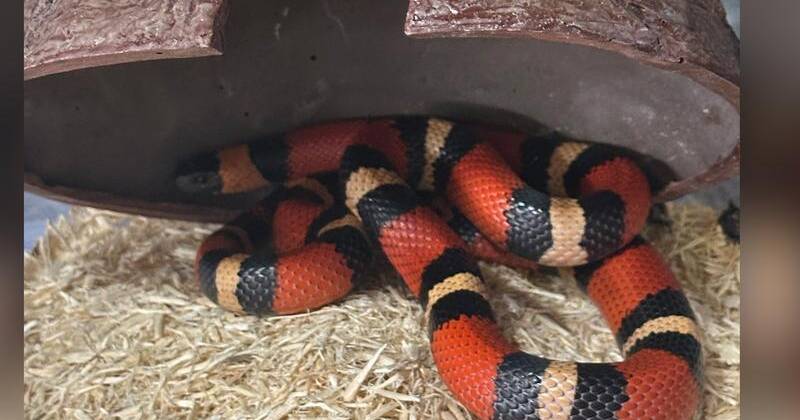
Australia Seizes 44 Illegal Exotic Reptiles from Suburban Home
Australian authorities seized 44 illegally imported exotic pets, including venomous snakes and constrictors, from a suburban home in Wodonga, Victoria. The discovery followed a targeted investigation into illegal importation networks. This case reinforces the strict biosecurity laws in Australia and the ongoing threat posed by the unregulated pet trade to local ecosystems.
Nature Commentary Calls for Tighter Reptile Trade Regulations
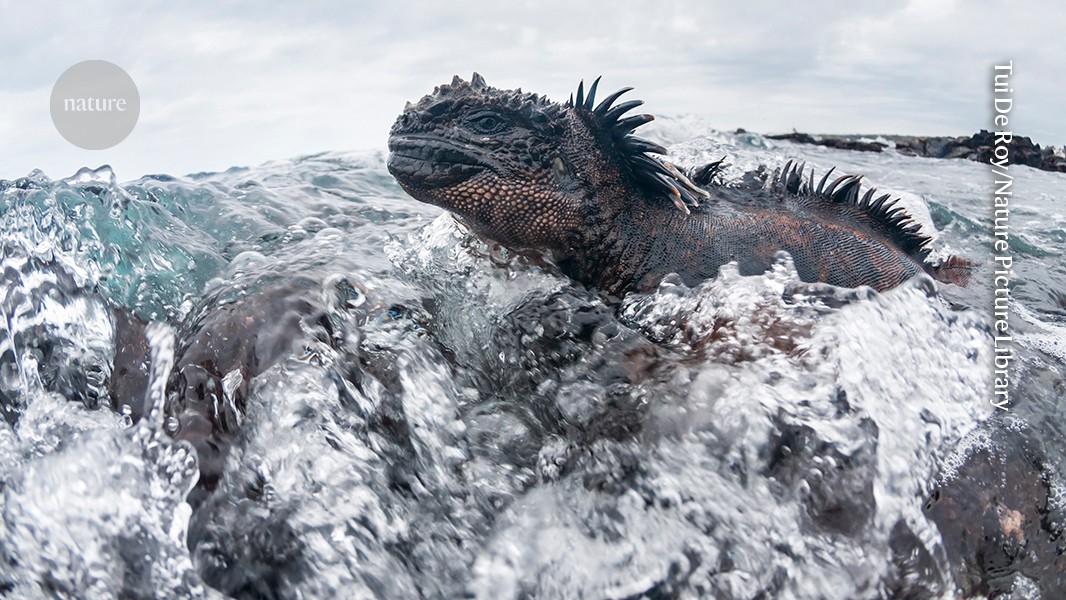
A new article in Nature argues that patchy legislation allows animals to be routinely taken from their natural habitats and sold internationally. The authors urge fresh national and international measures to close legal gaps that currently endanger thousands of reptile species. This call comes as online sales of reptiles continue to expand, often bypassing traditional monitoring groups.
India’s Exotic Pet Boom Fuels Zoonotic Risks and Welfare Concerns
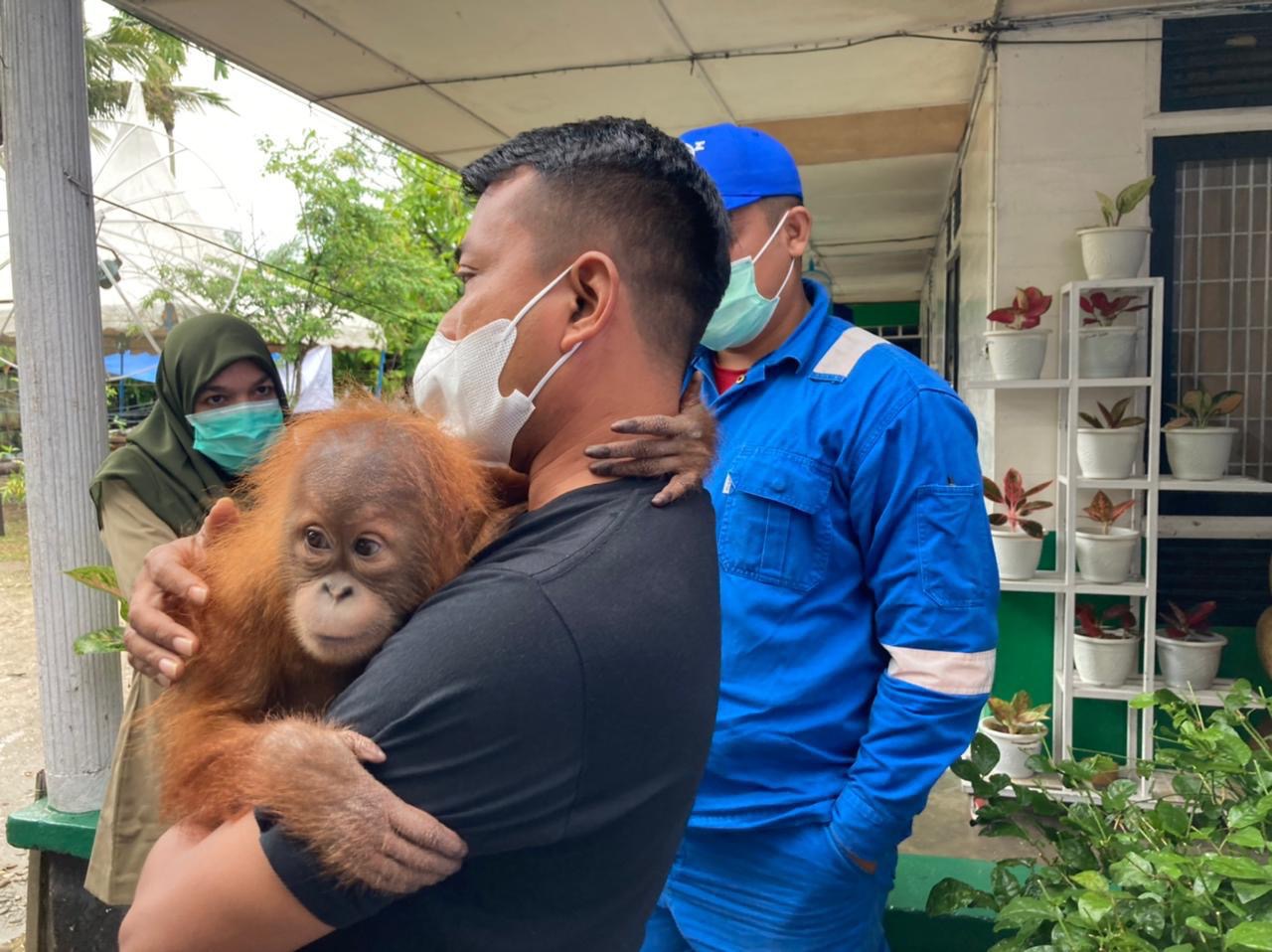
Reports from Mongabay India highlight that the booming exotic pet trade is increasing zoonotic disease risks, with close contact between humans and imported wild animals creating pathways for pathogen spillovers. Simultaneously, welfare concerns are mounting as exotic primates and other animals are increasingly found in private ownership. The series emphasizes the legal and ecological challenges posed by this unregulated market.
Local view
In Germany, local media continues to scrutinize the impact of social media on the exotic pet trade. While specific articles from the past 7 days are limited in the provided dataset, recent coverage from outlets like RP Online and Gerati has highlighted how viral videos on platforms like TikTok and Instagram fuel demand for exotic animals, often leading to animal suffering. The German debate remains focused on potential "positive lists" for allowed pets and stricter enforcement against illegal trade facilitated by digital platforms.
Context & numbers
The global trade in wild animals remains a multi-billion dollar industry, with significant volumes moving through major transit hubs. Recent seizures highlight the scale of the issue:
- Australia: 44 reptiles seized in a single residential raid.
- USA: 191 turtles were intercepted in Texas before being sent to a zoo for care, part of a broader federal case.
- India: The country is increasingly identified as both a source and destination for trafficked wildlife, including orangutans and rare reptiles.
On the radar
- CITES CoP20 Follow-up: Stakeholders are closely monitoring the implementation of decisions from the recent CITES Conference of Parties, particularly regarding protections for Galápagos iguanas and geckos threatened by the pet trade.
- EU Positive List Debates: Continued pressure on EU member states to harmonize invasive species lists and pet trade regulations, with animal welfare groups advocating for stricter bans on keeping certain exotic species.
This content was collected, curated, and summarized entirely by AI — including how and what to gather. It may contain inaccuracies. Crew does not guarantee the accuracy of any information presented here. Always verify facts on your own before acting on them. Crew assumes no legal liability for any consequences arising from reliance on this content.
Powered by
